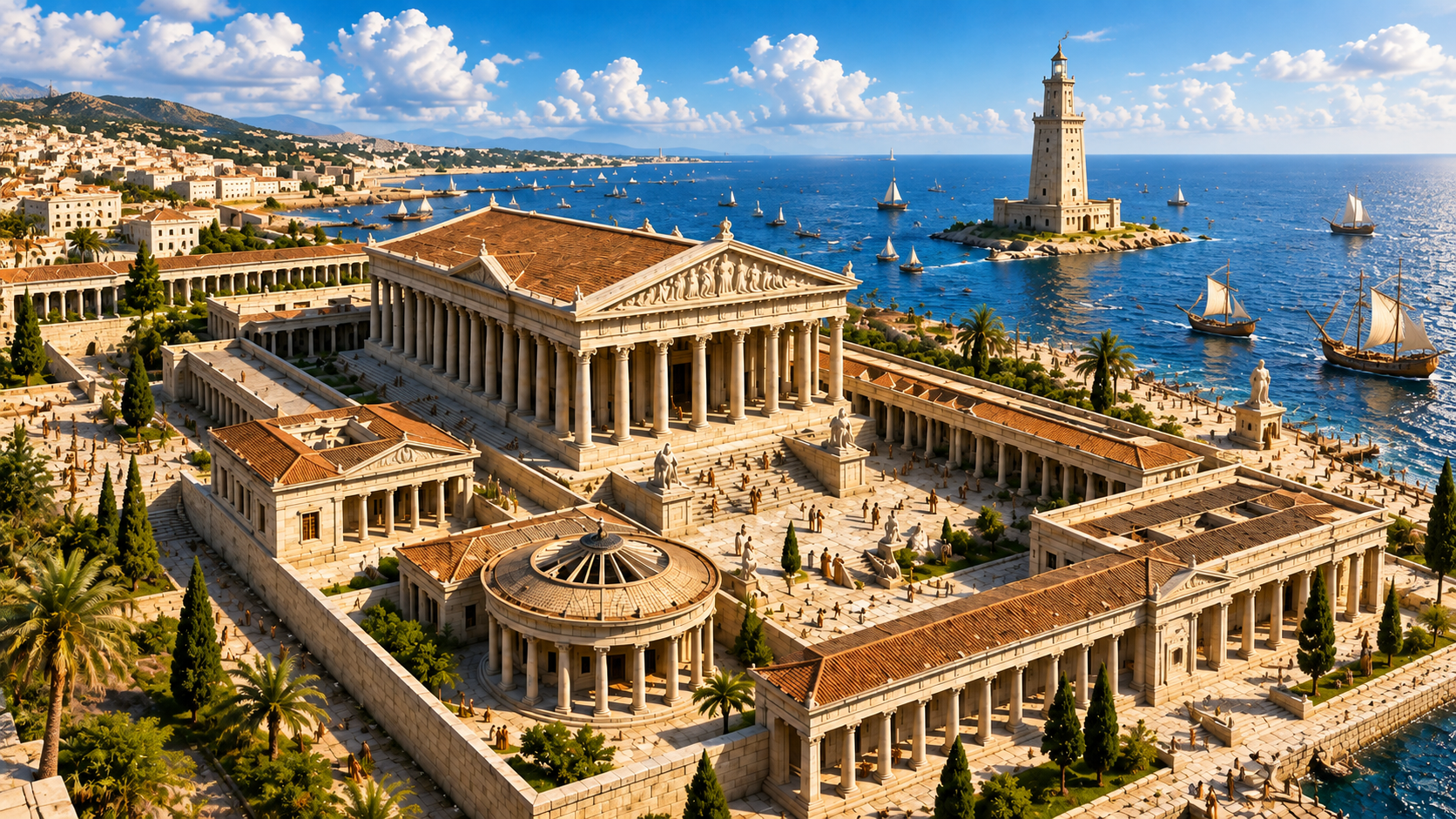
The Library of Alexandria
Ali Barbouti, Architect
September 29, 2026
When Knowledge Becomes a Civilization
When we hear the name Library of Alexandria, we remember more than a building that housed thousands of scrolls. We remember a project that made knowledge a civilizational force and turned the city into an open mind for the ancient world.
The Library’s central message was clear: the strength of nations is measured not only by armies and wealth, but also by their ability to gather knowledge, support scholars, and transform ideas into a legacy that endures after politics and wars have passed.
The Library of Alexandria was therefore not merely a library. It was an early research institution that brought reading, translation, cataloguing, teaching, and scholarly debate together in one place. Within its halls, ideas were born that changed the world, and foundations were laid for disciplines we still study today: mathematics, geometry, geography, astronomy, medicine, literature, and textual criticism.
On this journey, we will try to answer several important questions:
Why was Alexandria chosen rather than any other city?
How was the idea of creating the Library born?
How were books collected?
Who were the scholars who lived there?
What happened inside its halls each day?
Did the Library truly burn, as is often said?
And why has its name remained immortal to this day?
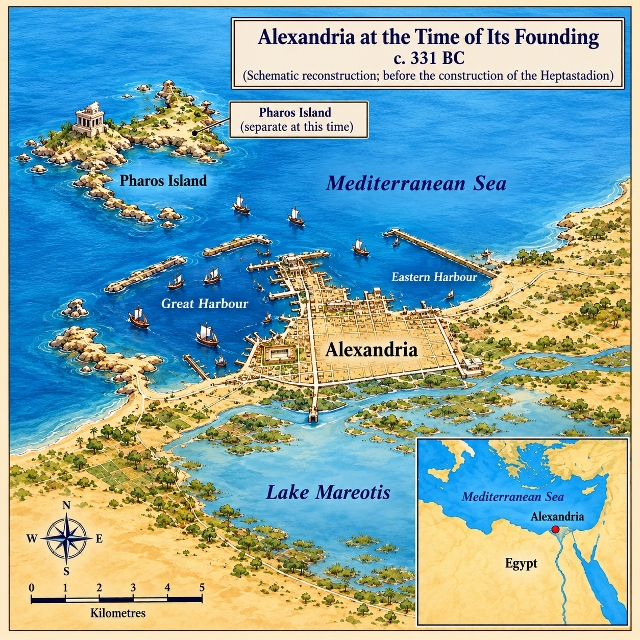
Fig 1. Schematic Map of Ancient Alexandria at its Founding. Created with ChatGPT by Ali Barbouti, 2026.
The City of Alexandria… The City Where the Dream Was Born
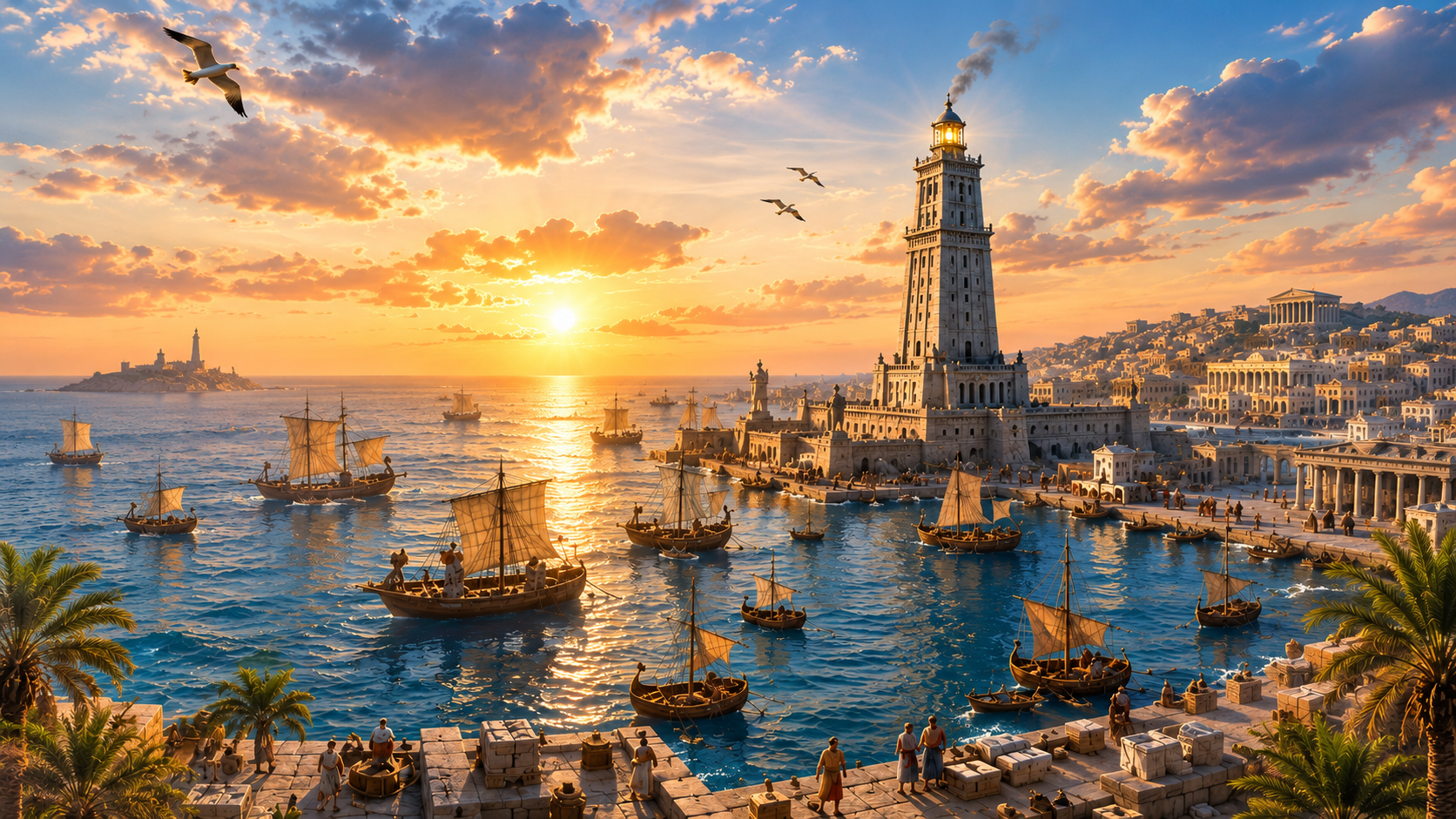
Fig 2. Ancient Alexandria. Created with ChatGPT by Ali Barbouti, 2026.
The story begins in 332 BCE, when the Macedonian commander Alexander the Great arrived in Egypt after ending the Persian Empire’s control over it. Several sources indicate that the Egyptians regarded Alexander as a liberator from Persian rule. After entering Egypt, he travelled to the Siwa Oasis and visited the Temple of Amun. There, the idea of founding a new city on the Mediterranean coast took shape in his mind—a gateway between East and West.
Alexander chose a site with unique advantages. It lay on the Mediterranean coast, close to a branch of the Nile, and overlooked both maritime and overland trade routes. The site was also near the island of Pharos, which later became home to the famous lighthouse, one of the Seven Wonders of the Ancient World.
In 331 BCE, Alexander formally founded the city on this site. The Greek architect Dinocrates drew up its urban plan, creating a design unlike that of most cities of the period. It featured a grid of straight, intersecting streets, organized districts, two large harbours, public buildings, gardens, and palaces—a plan that reflected an advanced urban vision. But Alexander did not live to see his city completed. He died in Babylon in 323 BCE at the age of thirty-two.
After his death, his empire was divided among his senior commanders. Egypt fell to one of them, Ptolemy I Soter, who founded the Ptolemaic dynasty, which ruled Egypt for nearly three centuries.
Ptolemy I was a shrewd commander, but he realized that securing his rule depended on more than military force. It required building a powerful state of cultural and scholarly standing. Thus began the vision of turning Alexandria into a capital of learning that could rival the greatest centres of thought in the ancient world, foremost among them Athens.
Ptolemy drew inspiration from many of the ideas of the philosopher Aristotle, who had taught Alexander the Great and advocated the systematic collection, classification, and study of knowledge. Several historians believe that this intellectual legacy helped encourage the Ptolemies to establish an unprecedented scholarly institution. The Ptolemies wanted Alexandria to be a place where the finest scholars in the world could gather, regardless of their homelands or languages, and find everything they needed to devote themselves to research, writing, and teaching.
As maritime trade flourished, ships from across the world arrived at Alexandria’s harbour carrying goods—and books as well. The city soon became a meeting place of civilizations, where ancient Egyptian culture mingled with Greek thought and was influenced by the learning of Babylon, Persia, and Phoenicia, creating an intellectual environment rare in history.
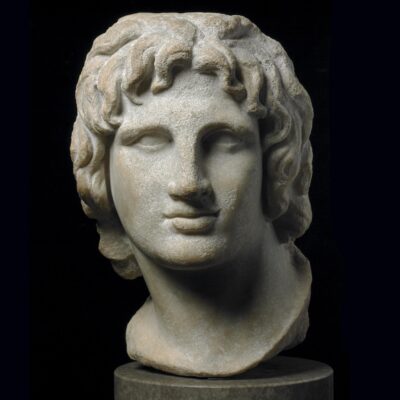
Fig 3. Marble portrait head of Alexander the Great.
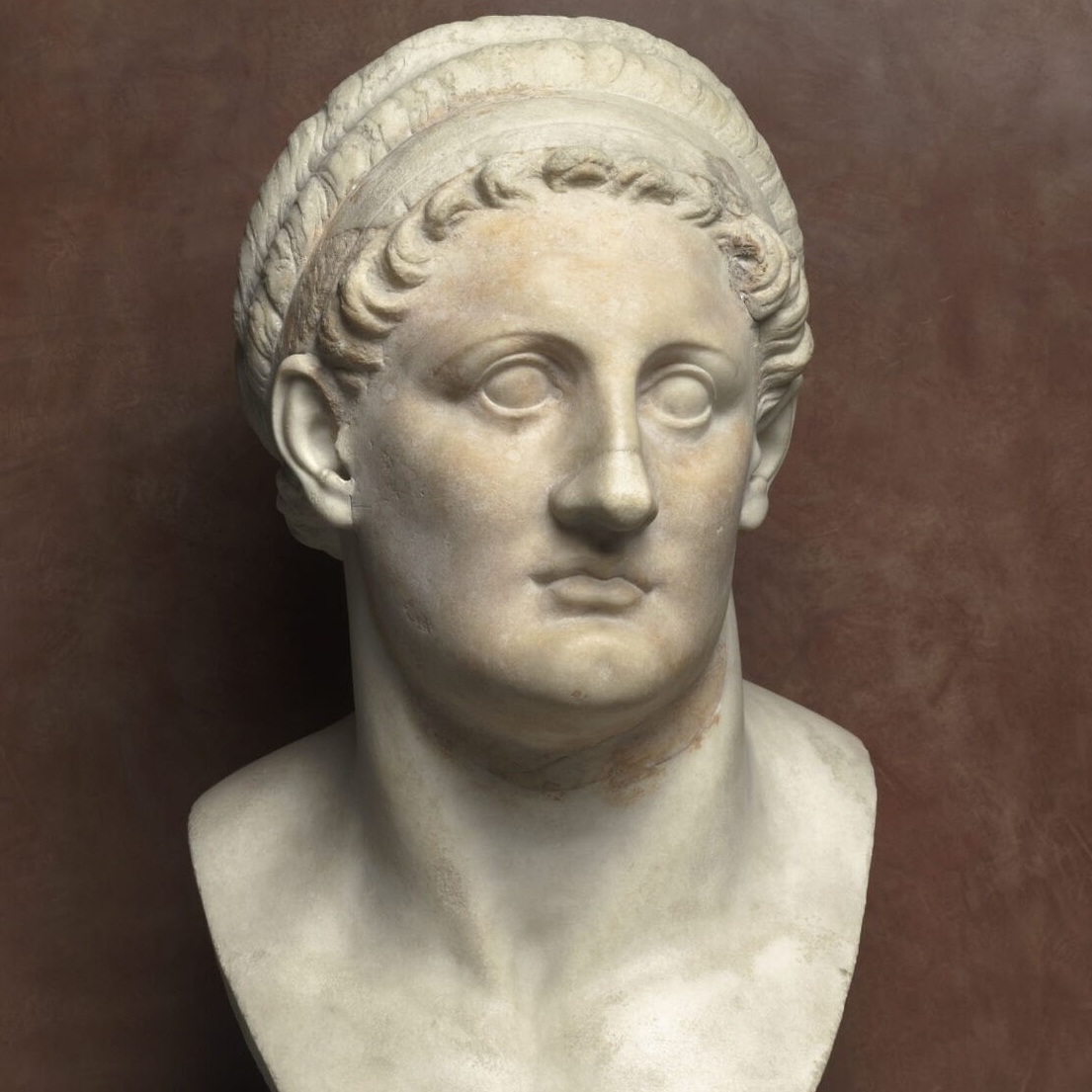
Fig 4. Portrait Ptolemy I Soter.
The Founding of the Library of Alexandria… The Birth of the First Global Knowledge Project
Most historical studies indicate that the idea of founding the Library began during the reign of Ptolemy I, while its construction was completed and it reached the height of its prosperity under his son, Ptolemy II Philadelphus, who gave the project exceptional attention and allocated substantial financial and human resources to it.
Several historians state that Demetrius of Phalerum, a member of Aristotle’s school, helped formulate the Library’s initial concept during the reign of Ptolemy I, drawing on his experience in organizing and classifying knowledge. The Library was built in the heart of Alexandria, close to the royal palace and the harbor. It was designed in a grand Greek architectural style, with halls that provided ventilation and natural light.
The project was therefore more than a library. It was a scholarly institution known as the Mouseion—the sanctuary of the Muses of the arts and sciences in ancient Greek belief. The complex contained reading and study halls, book repositories, residences for scholars, gardens, and colonnades for discussion. It was closer to a comprehensive research centre than to a library in the narrow sense.
The idea was now becoming a reality. But an important question arises: how could the books of the world be collected in an age before printing, when books had to be copied by hand? So missions were sent throughout the known world to purchase books, whatever their price. Ambassadors and merchants returned not only with goods, but also with scholarly and literary manuscripts and scrolls.
The Ptolemies also ordered incoming ships at Alexandria’s harbour to be searched for books. If manuscripts were found on board, they were taken to the Library, where scribes prepared an accurate copy. One version was then returned to the owner while the Library kept the other. Some accounts suggest that the Library occasionally retained the original and returned the copy to its owner, reflecting the scholarly value placed on the original.
Although historians debate some details of these accounts, they reflect an established fact: the Ptolemies made extraordinary efforts to build the largest collection of knowledge known to the ancient world. As books were acquired according to a clear plan. The Library’s holdings were not limited to Greek works; they also included Egyptian, Babylonian, Persian, Phoenician, Jewish, and other texts, making the collection a mirror of different civilizations.
One of the most notable achievements of this period was the translation of major texts into Greek, including the Septuagint translation of the Torah, which ancient tradition says was completed by a group of scholars. It became an early example of translation as a bridge between cultures.
To make this enormous quantity of books accessible, it became necessary to organize and classify them. So the scholar and poet Callimachus came to prominence. He compiled a vast work known as the Pinakes, regarded as the first comprehensive scholarly catalogue in the history of libraries. This catalogue was not merely a list of titles. It recorded each author’s name and biography, the titles of their works, and their classification by fields of knowledge and literature. This made books easier to locate and laid a foundation for the science of cataloguing, which developed over the centuries.
Estimates differ regarding the number of scrolls held by the Library. Sources offer varying figures reaching into the hundreds of thousands, but what matters most is that the Library was the largest project for collecting and organizing knowledge in the ancient world.
The Scholars Who Worked in the Library
The Ptolemies provided scholars with everything they needed to devote themselves to scientific research. They received accommodation, food, salaries, and exemption from many everyday obligations, enabling them to dedicate all their time to thought, research, and teaching.
This may have been one of the earliest models in history in which scientific research was regarded as a full-time occupation supported by the state. Among the most prominent scholars who worked at the Library of Alexandria were:
Euclid
Euclid is regarded as one of the most famous mathematicians in history. He wrote The Elements, which remained the principal reference work on geometry for more than two thousand years. Many of the principles he established are still taught today.
Eratosthenes
Eratosthenes was one of the greatest scholars of his age and served for a time as head of the Library. He became famous for measuring the circumference of the Earth by using shadows and the angles at which sunlight fell in Aswan and Alexandria. His result was astonishingly close to modern measurements—an achievement that demonstrates the precision of his observation and the power of scientific thought. He also laid early foundations for mathematical geography and drew more accurate maps of the world as it was then known.
Aristarchus
Aristarchus of Samos proposed an idea, centuries ahead of its time: that the Earth revolves around the Sun. His idea was not widely accepted in his own era, but it remains a testament to the boldness of scientific thought in Alexandria.
Herophilus and Erasistratus
In medicine, Herophilus and Erasistratus made important contributions to anatomy and physiology. Their work helped move medicine from general observation toward systematic scientific study.
Hypatia
No account of Alexandria’s scholarly legacy would be complete without mentioning Hypatia (c. 360–415 CE), the Alexandrian philosopher and mathematician of late antiquity. Her name became associated with teaching philosophy, mathematics, and astronomy and with the tragic end of a chapter in the city’s scientific history.
What united these scholars, however, was not simply their presence in the same place, but the spirit of scientific collaboration that distinguished the city. So knowledge was built through dialogue, criticism, experimentation, and continual review, not merely by preserving texts.
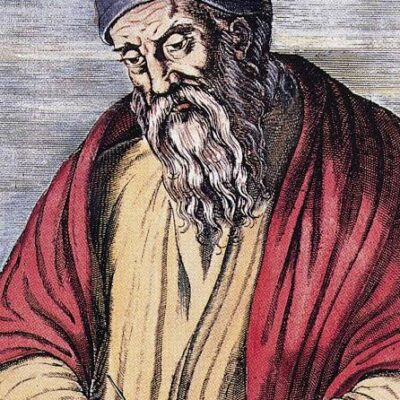
Fig 5. Euclid by Andre Thevet,1584.
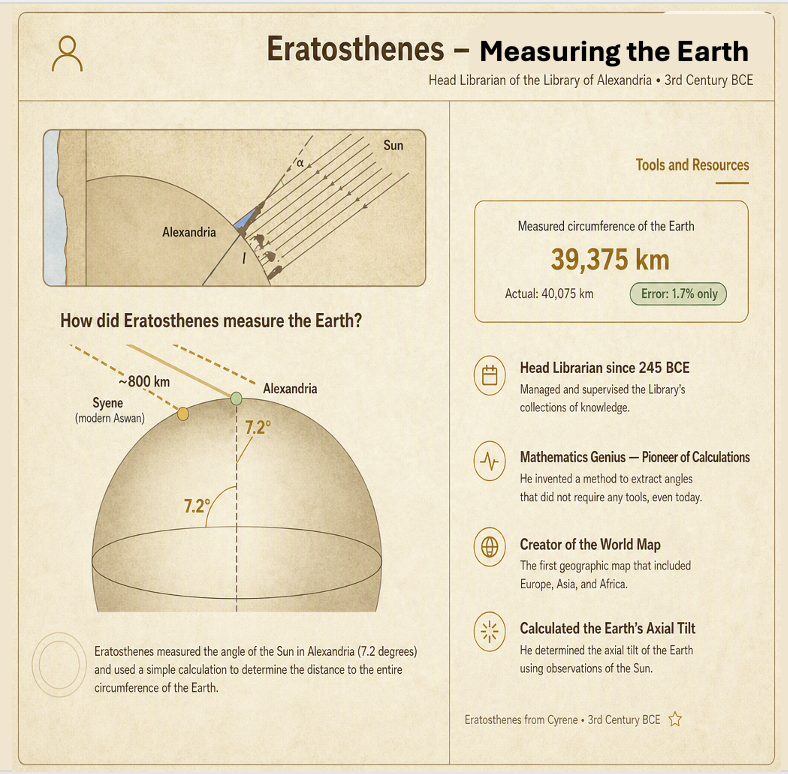
Fig 6. Eratosthenes - Measuring the Earth, Created with CoPilot by Ali Barbouti, 2026,
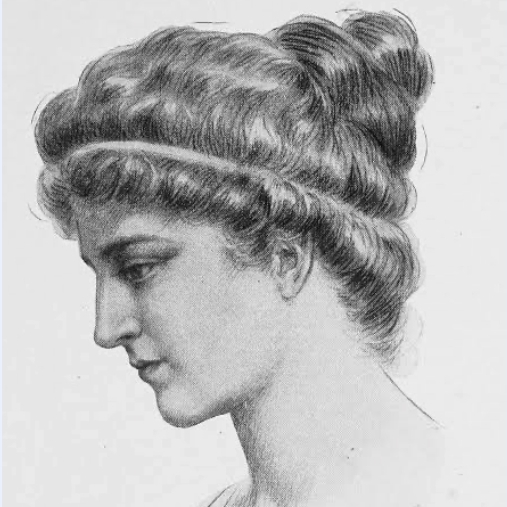
Fig 7. Portrait of Hypatia.
Daily Life Inside the Library of Alexandria… When Scientific Research Became a Profession
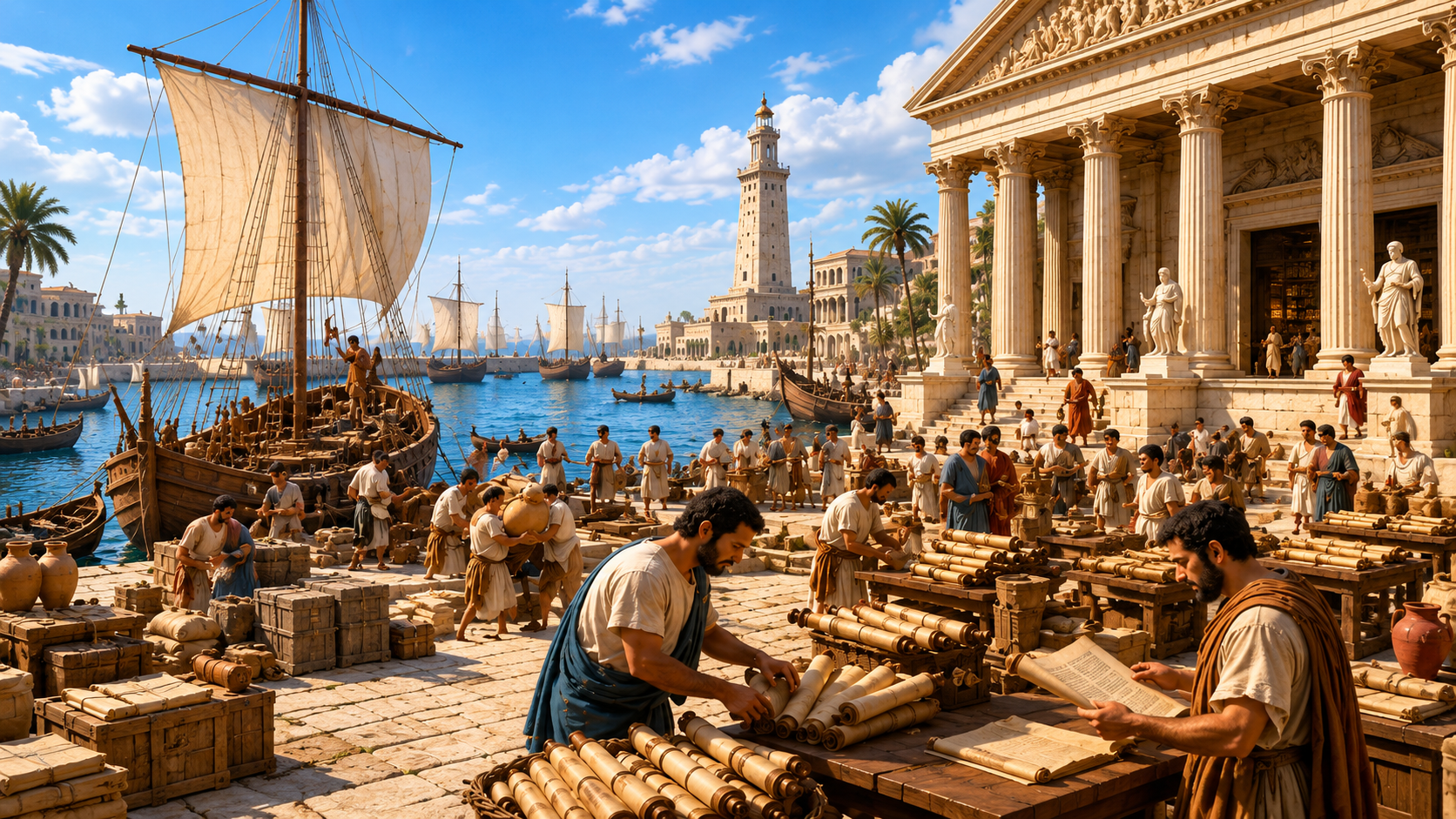
Fig 8. Gathering books from all over the world. Created with ChatGPT by Ali Barbouti, 2026.
It is difficult for us today to imagine this place through the lens of a modern library, where silence prevails and the main purpose is to borrow and read books. The Library of Alexandria was a vibrant institution, active from the early morning until evening.
The day began as scholars and researchers arrived in the study halls, while scribes worked on new copies of manuscripts. Elsewhere, librarians catalogued new books, compared different versions, and corrected errors that may have arisen during copying. In other halls, teachers explained the principles of mathematics, philosophy, or medicine to their students, while scholarly discussions unfolded among researchers over a linguistic question, an astronomical theory, or a problem in geometry.
The Library welcomed scholars from many regions of the ancient world. It would therefore have been natural to hear Greek and Egyptian in its corridors, and perhaps other languages brought by scholars, merchants, and travelers. This cultural diversity encouraged the exchange of ideas and enriched scientific research, as every scholar brought the experience and knowledge of his own civilization.
The Library’s role was not limited to collecting books or educating students. It was also a centre for writing and translation. This scholarly activity helped preserve a vast heritage that might otherwise have been lost without the efforts of copying and translation.
The scholars’ lives were not entirely easy. Scientific competition was intense, and every researcher sought to offer a new discovery, a more precise interpretation, or a more convincing theory. This gave rise to a dynamic and creative intellectual environment.
Remarkably, many principles on which modern universities and research centres are founded already existed in an early form within this venerable institution: full-time research, teamwork, scholarly debate, documentation, classification, and teaching.
The Burning of the Library of Alexandria… Between Fact and Legend
The burning of the Library has become one of the most famous stories in history, but also one of the most complex. Ancient sources do not offer a single agreed account; instead, they present several narratives, some written many centuries after the events. Historians today therefore distinguish between what is supported by historical evidence and what legends and popular accounts have added over time.
Perhaps the most frequently asked question about the Library of Alexandria is: who burned it? Many people may be surprised to learn that historians do not have a single, definitive answer.
The fire in the Time of Julius Caesar
The earliest documented incident connected with the Library occurred in 48 BCE, when the Roman commander Julius Caesar entered Alexandria during the civil war in Egypt. During the fighting, several ships in the harbour caught fire, and the flames then spread to parts of the city. The historian Plutarch stated that the fire destroyed about forty thousand scrolls stored in warehouses near the harbour, rather than in the main Library itself. There is no conclusive evidence that the main Library was destroyed at that time, because the presence of scholars and Library directors after this incident indicates that the scholarly institution continued to perform its role for many years.
Gradual Decline
Afterward, the Library began to face mounting challenges. Egypt underwent major political and economic changes, and the royal support the Library had enjoyed under the Ptolemies diminished. Among the most notable events were the occupation of Alexandria in 270 CE by Queen Zenobia of Palmyra, followed by the military campaign launched by the Roman emperor Aurelian to recapture it. These events caused destruction in parts of the city and affected its institutions. With the transition to Roman rule, the Library no longer received the same attention as before. Its activity gradually declined, and the number of scholars residing there decreased.
The Serapeum
Several researchers believe that, over time, an important portion of the books was transferred to another library attached to the Temple of the Serapeum, which was considered a branch of the original Library. In the late fourth century CE, this temple was destroyed amid the religious conflicts that affected the Roman Empire, and it is believed that whatever book collections remained there were lost at that time.
The Account Attributed to Amr Ibn Al-As
The claim that the Arab commander Amr ibn al-As burned the Library after the conquest of Egypt around 640–641 CE is among the most widespread accounts in popular culture. Most contemporary historians, however, believe that this account lacks evidence contemporary with the event and first appeared in later sources written several centuries after the Islamic conquest. Many researchers therefore do not accept it as an established historical fact.
What, Then, Happened? Modern studies tend to conclude that the Library of Alexandria did not disappear because of a single, sudden fire, but as the result of a long series of events extending over centuries. Wars, partial fires, political unrest, declining funding, the departure of scholars, and changing cultural priorities all contributed to the gradual fading of this great scholarly institution.
Civilizations do not vanish in a single day, and knowledge does not disappear in a single blow. It weakens when interest in learning declines, support for researchers is withdrawn, and societies lose faith in the value of culture. The Library’s buildings endured for a time and then disappeared, but the idea on which it was founded did not die.
Archaeological evidence in Alexandria attests to the richness of the ancient city and its harbour, but it is not sufficient on its own to establish the precise location of the Library or the details of its buildings. The clearest memory of the Library therefore remains its intellectual impact: the idea that knowledge can be collected, organized, and made available to future generations as a shared human heritage.
Modern Bibliotheca Alexandrina, When the Dream Came Back to Life
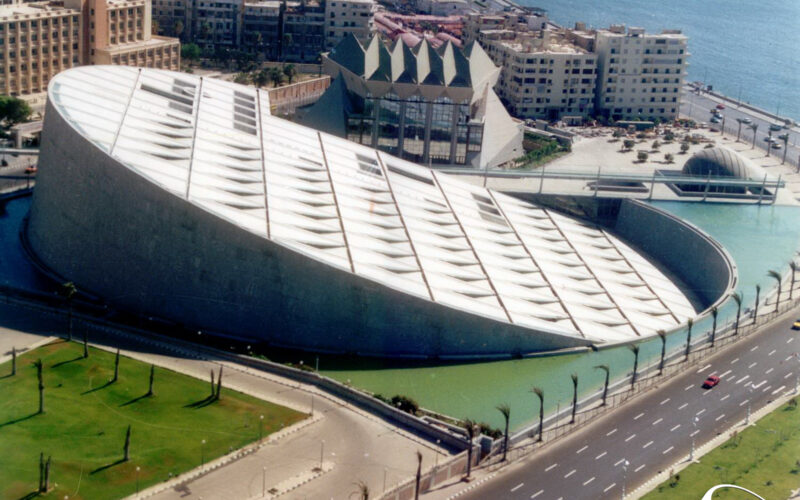
Fig 9. Exterior image, The Library of Alexandria.
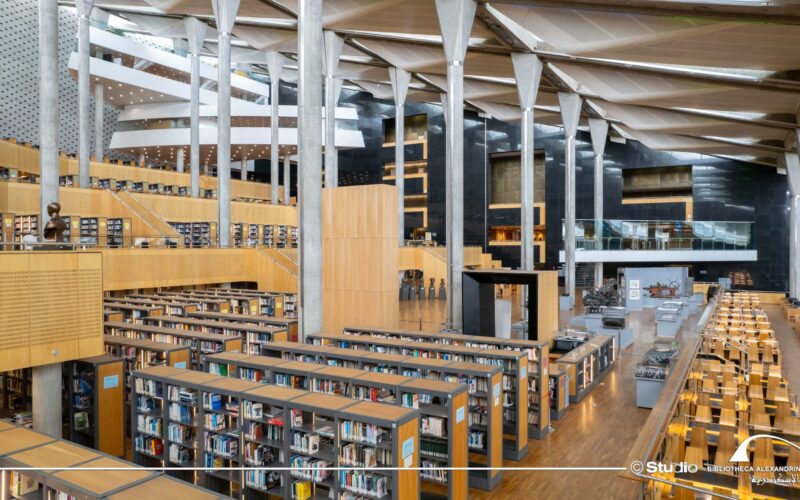
Fig 10. Interior image. The Library of Alexandria.
For more than fifteen hundred years, the name of the Library of Alexandria remained alive in human memory. Historians wrote about it, travelers recounted its story, and researchers wondered: could this great scholarly institution ever be brought back to life?
The story of the new Library begins with Dr. Mostafa El-Abbadi, Professor of Ancient History at Alexandria University. In the 1970s, he proposed reviving the ancient Library, believing that the city deserved to reclaim its role as a global centre of learning and knowledge. During the late 1970s and early 1980s, El-Abbadi and a small group of Egyptian academics and intellectuals began to advocate for the project in a more organized way. They emphasized that:
- Alexandria had a unique historical claim to host such a library.
- The Arab world needed a global centre of knowledge and culture.
- The project could serve as a bridge between East and West, and between the ancient and modern worlds.
A turning point came in 1986, when the project attracted the attention of UNESCO, the United Nations Educational, Scientific and Cultural Organization. UNESCO formally endorsed the project and helped present it to the world, transforming it from an Egyptian academic dream into a global cultural mission.
With UNESCO’s support, the Egyptian government formally committed to constructing the Library. A site was selected on Alexandria’s waterfront, beside Alexandria University and close to the place where the ancient Library is believed to have stood.
In 1988, UNESCO launched an international competition to design the new building in cooperation with the Egyptian government and Alexandria University. Architectural firms from around the world took part. The Norwegian firm Snøhetta won from among 524 entries submitted by 52 countries, with a design that combined modernity and historical symbolism.
The total cost was approximately US$220 million, contributed by more than fifty countries, making the project one of the most internationally funded cultural undertakings in history. On 16 October 2002, the new Bibliotheca Alexandrina was officially inaugurated in an international ceremony attended by many heads of state, scholars, and intellectuals, restoring Alexandria to the global cultural map.
The main building takes the form of a tilted disc resembling the sun rising from the sea, symbolizing knowledge of civilization that rises over the horizon. This conveys the architects’ deliberate message: knowledge does not set; it rises with every new generation. The curved exterior wall of granite is engraved with letters from dozens of ancient and modern alphabets and languages. It affirms that knowledge belongs to all peoples and that differences of language do not prevent the unity of human thought.
The building has eleven storeys, four of them underground. When visitors enter the main reading room, they find an expansive space arranged across several levels, with a combined capacity of about 1,300 seats. Natural light pours in through the roof, in a design that unites beauty and function and provides a comfortable environment for reading and research.
The Library is no longer merely a place where books are preserved. It has become an integrated cultural institution that hosts international conferences, intellectual seminars, art exhibitions, concerts, and educational activities, making it a permanent centre for dialogue among cultures.
Today, the Bibliotheca Alexandrina holds millions of books, as well as collections of maps, manuscripts, periodicals, and digital media. It also contains specialized libraries for children, young people, blind and visually impaired readers, and research centres serving a wide range of fields.
It also includes specialized museums, among them the Antiquities Museum, the Manuscripts Museum, and the History of Science Museum, expanding its role from that of a library into an integrated cultural and knowledge institution. In addition, the complex also includes a planetarium that offers scientific and educational programmes for the public, as well as art galleries, manuscript restoration facilities, and spaces for learning and research. Through digital-transformation projects and cooperation with scholarly and cultural institutions around the world, the Library seeks to preserve humanity’s heritage and make it more widely accessible to new generations.
Through digital-transformation projects and cooperation with scholarly and cultural institutions around the world, the Library seeks to preserve humanity’s heritage and make it more widely accessible to new generations.
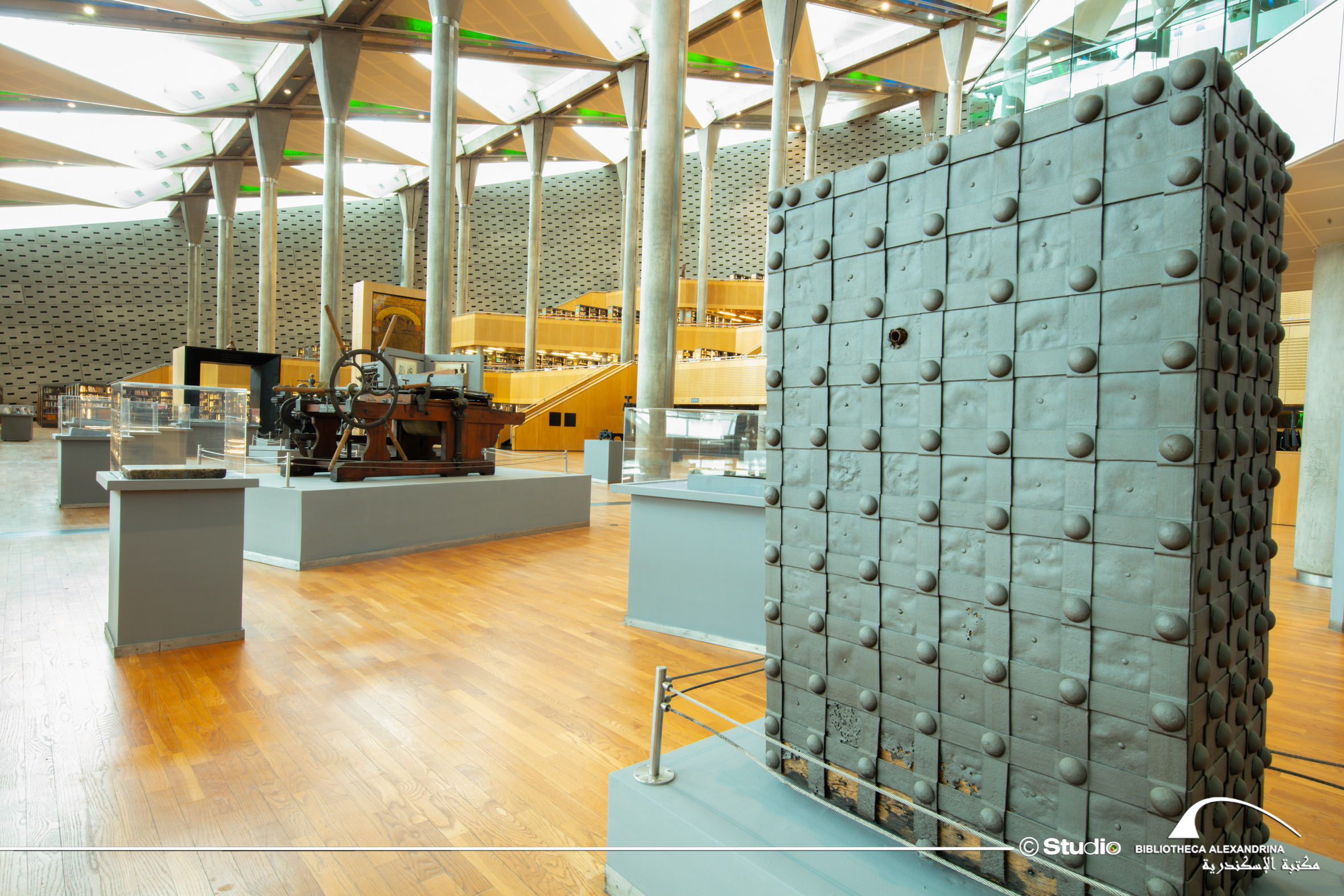
Fig 11. History of Printing: Bulaq Press, Permanent Exhibitions. The Library of Alexandria.
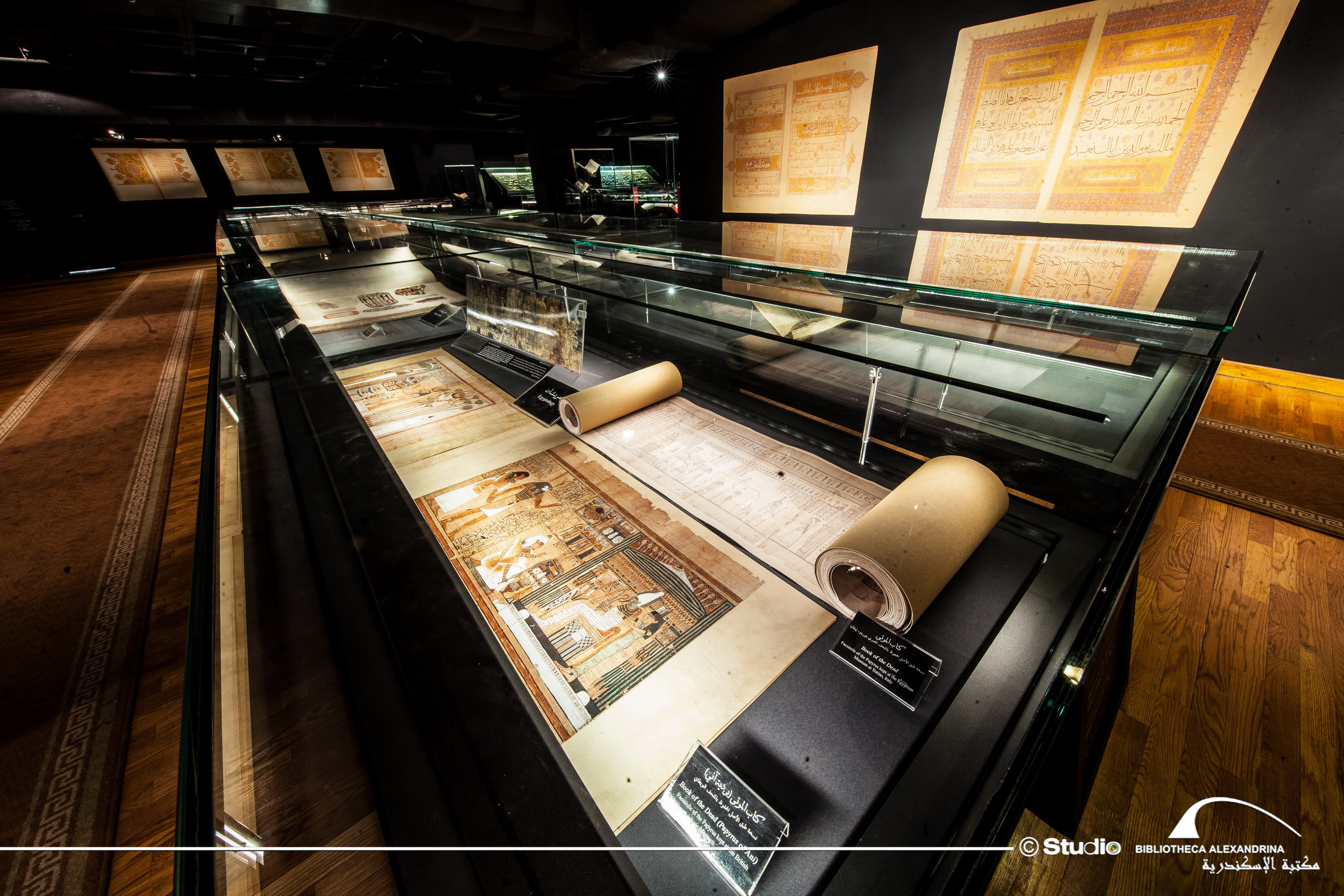
Fig 12. Manuscript Museum. The Library of Alexandria.
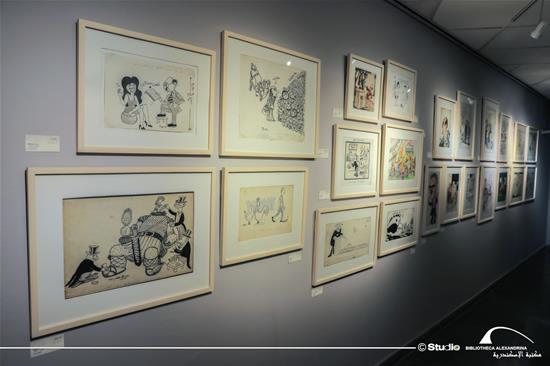
Fig 13. Caricature Art, Perminant Exhibitions, The Library of Alexandria.
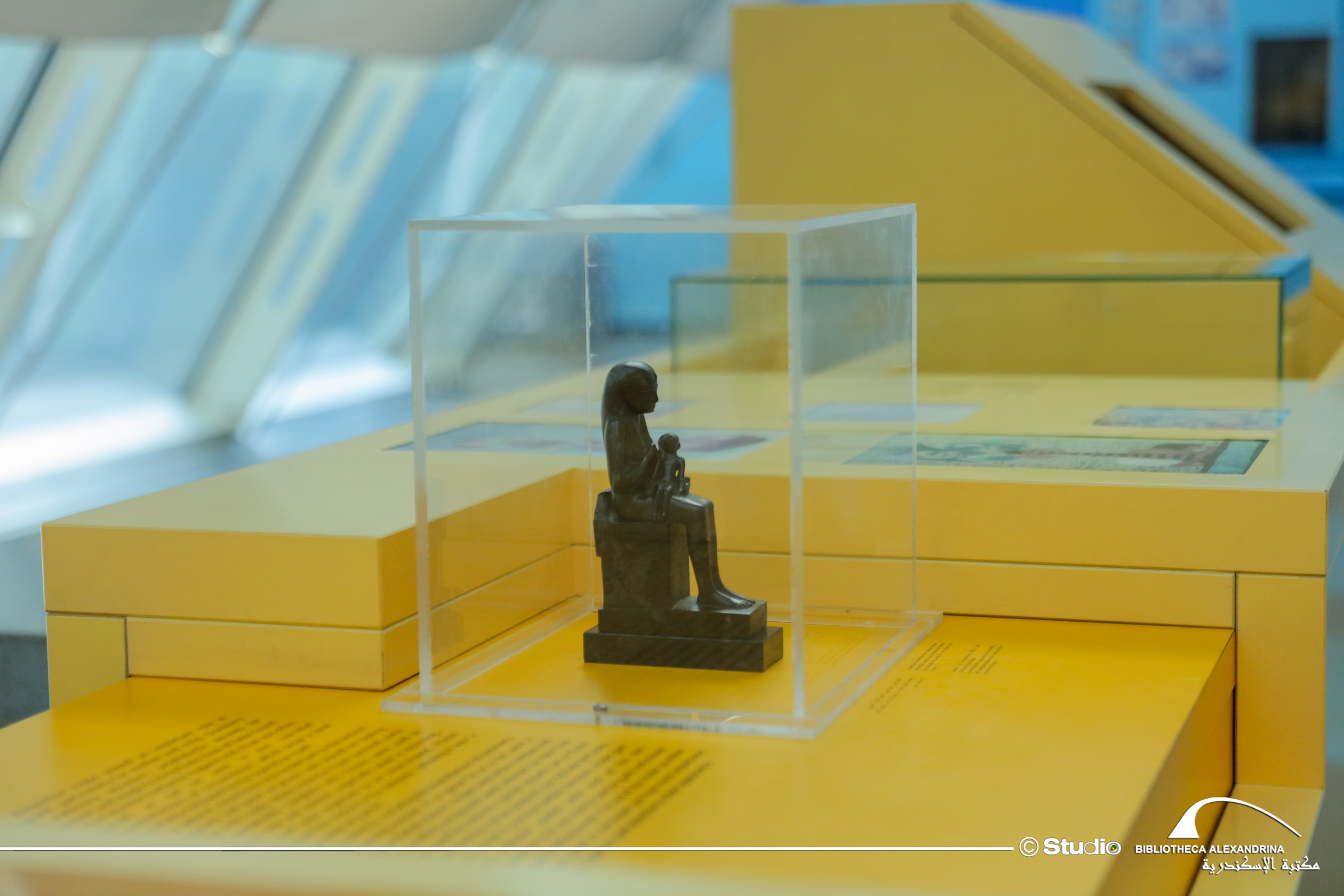
Fig 14. History of Science Meusem, The Library of Alexandria.
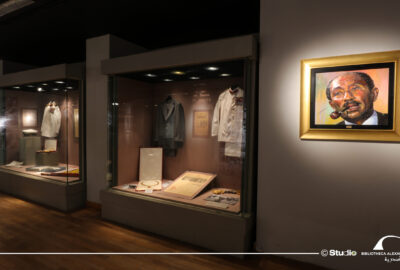
Fig 15. Sadat Museum, The Library of Alexandria.
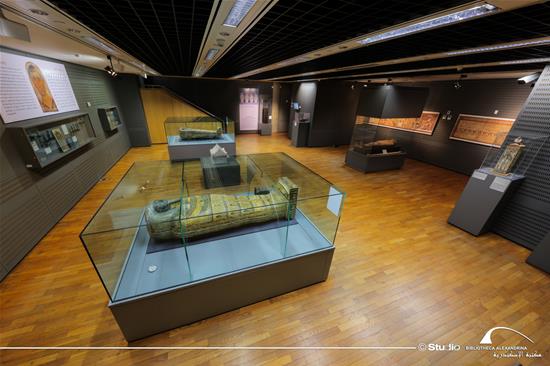
Fig 16. Antiquities Museum. The Library of Alexandria.
Bibliography
- دكتور العبادي، مصطفى. كتاب مكتبة الاسكندرية القديمة سيرتها ومصيرها. آذار ١٩٨٩
- Canfora, Luciano, The Vanished Library, January 1990.
- MacLeod, Roy. The Library of Alexandria, Centre of Learning in the Ancient world, September 2004
- Casson, Lionel. Libraries in the Ancient World. March 2001.
- Bibliotheca Alexandrina. http://www.bibalex.org
- Encyclopaedia Britannica. http://www.britannica.com
- Snohetta. https://www.snohetta.com/projects/bibliotheca-alexandrina
Image References
Opening Image: Created with ChatGPT, by Ali Barbouti, using the prompt “Old Alexandria Library Aerial view”, 2026.
Fig 1. Created with ChatGPT, by Ali Barbouti, using the prompt “ Schematic Map of Ancient Alexandria at its Founding, 2026.
Fig 2. Created with ChatGPT, by Ali Barbouti, using the prompt “Ancient Alexandria”, 2026.
Fig 3. Marble portrait head of Alexander the Great, Production date 300 BC – 150 BC. Excavated/Findspot: Alexandria (Egypt) (said to be from). Museum Number 1872,0515.1 © The Trustees of the British Museum. Shared under a Creative Commons Attribution-NonCommercial-ShareAlike 4.0 International (CC BY-NC-SA 4.0) licence. https://www.britishmuseum.org/collection/object/G_1872-0515-1?selectedImageId=542305001
Fig 4. Portrait Ptolemy I Soter,-300 / -200 (IIIe s. av. J.-C.), , MR 457 ; Ma 849, Département des Antiquités grecques, étrusques et romaines. Louvre Museum, Paris France. https://collections.louvre.fr/en/ark:/53355/cl010279145
Fig 5. Portrait of Euclid by André Thevet (1584) / Wikimedia Commons (Public Domain).
Fig 6. Created with Copilot, by Ali Barbouti, using the prompt “Eratosthenes – Measuring the Earth”, 2026.
Fig 7. Portrait of Hypatia by Jules Maurice Gaspard (1908), via Wikimedia Commons, (Public Domain).
Fig 8. Created with ChatGPT, by Ali Barbouti, using the prompt “Gathering books from all over the world”, 2026..
Fig 9 -16. Various images, copyright Studio Bibliotheca Alexandrina. Alexandrina.https://www.bibalex.org/en/mediagallery/default/all
About Ali Barbouti,
Ali Barbouti an architect and entrepreneur, born in Baghdad/Iraq and a Canadian since the 1990s. Graduate from Baghdad University, Department of Architecture. Ali started his career in the design development of mixed-use and residential projects; working on a variety of projects with the Iraq Consult in Baghdad; Kuwaiti Engineer Office (KEO) in Kuwait; Kirby Building Systems in Kuwait and Saudi Arabia. His career and interest progressed into the construction field reaching a position of Director with Al-Latifia Trading & Contracting in Saudi Arabia where he remained for over 20 years.
More articles by same author:
Baghdad College Years