
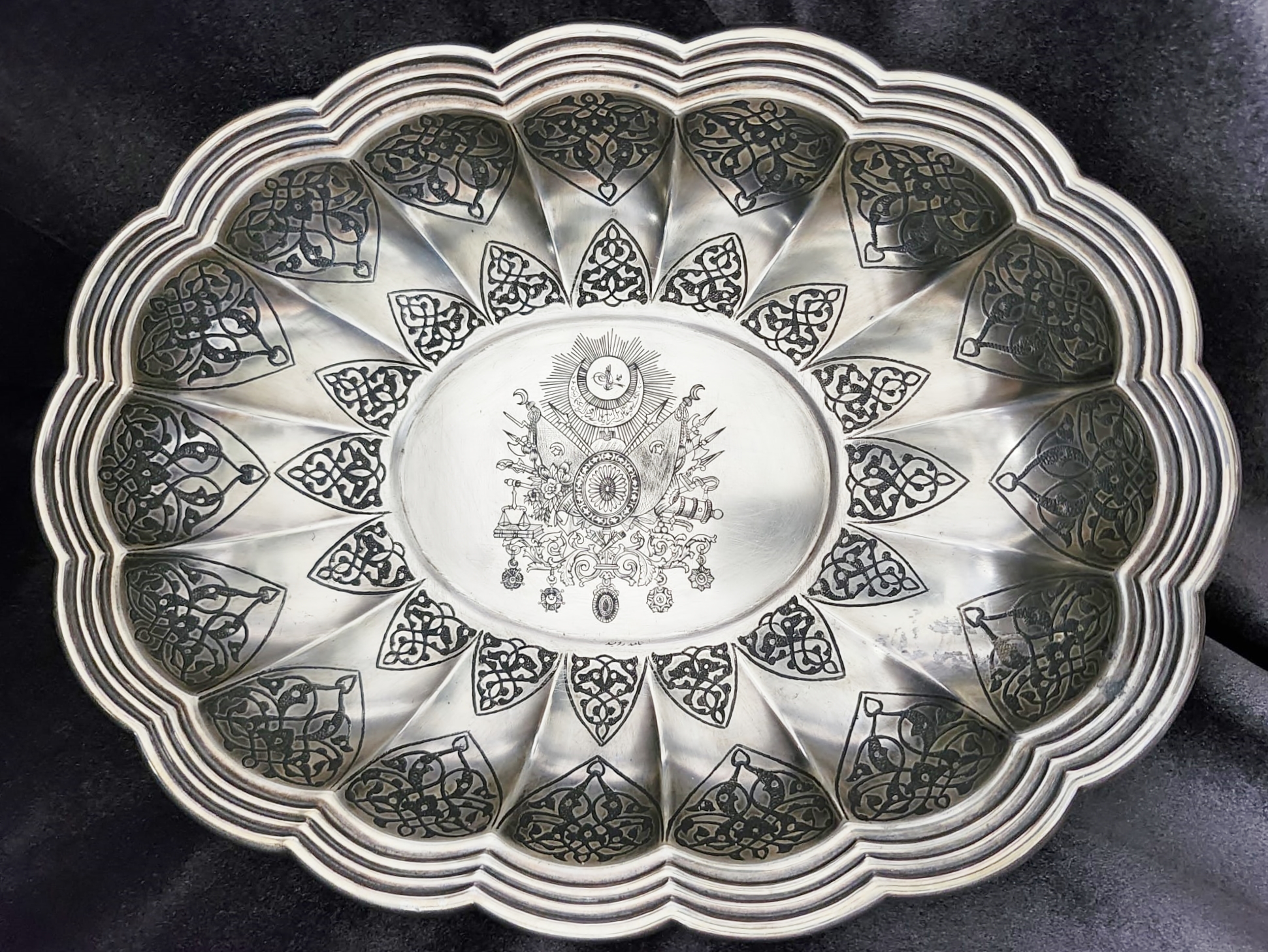
Iraqi Silverwork: Between Craftsmanship, Identity, and the Language of Material
Hamid Royed, Engineer and Silversmith Artist. Canada
June 2026
Silver work art belongs to a vast, diverse, and interconnected artistic world: the world of objects d’art and fine craftwork. It is a world marked by complexity, mystery, and fascination, and one that is at times governed by personal inclinations and tastes rather than by strict adherence to the rules and laws of the market in evaluating artistic works.
Iraqi Silverwork
Iraqi silverwork, or works in Iraqi silver, is a general name for a beautiful, demanding, and rare art form in which the Ṣābiʾa specialized and distinguished themselves, excelling in it and becoming widely renowned for it.
This art became existentially bound to them, until it came to constitute for them an identity, a heritage, and a defining emblem. For this reason, the designation “Ṣābiʾan silverwork” became widespread and even overshadowed the term “silverwork” itself. Indeed, it was formally adopted in folkloric, heritage, and academic studies and research.
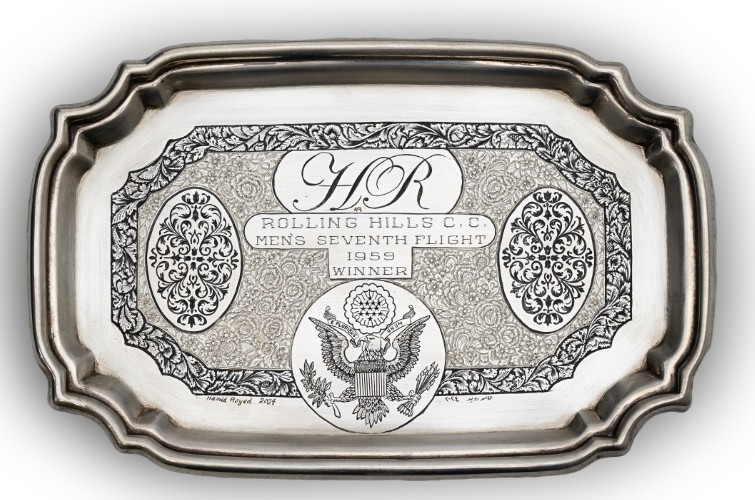
Fig1) In``am Royed and Hamid Royed 2023-2026, Toronto, Canada.
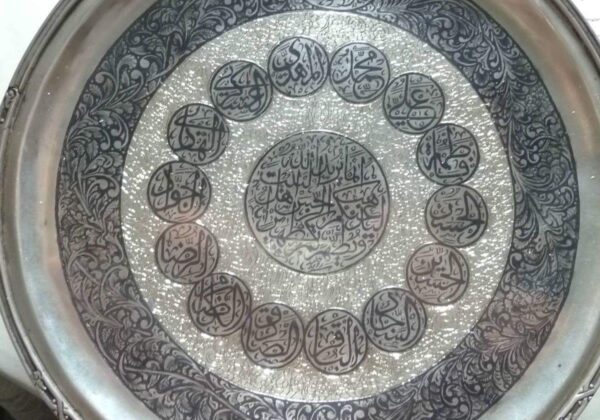
Fig 2) Hamid Royed 2010, Baghdad, Iraq..
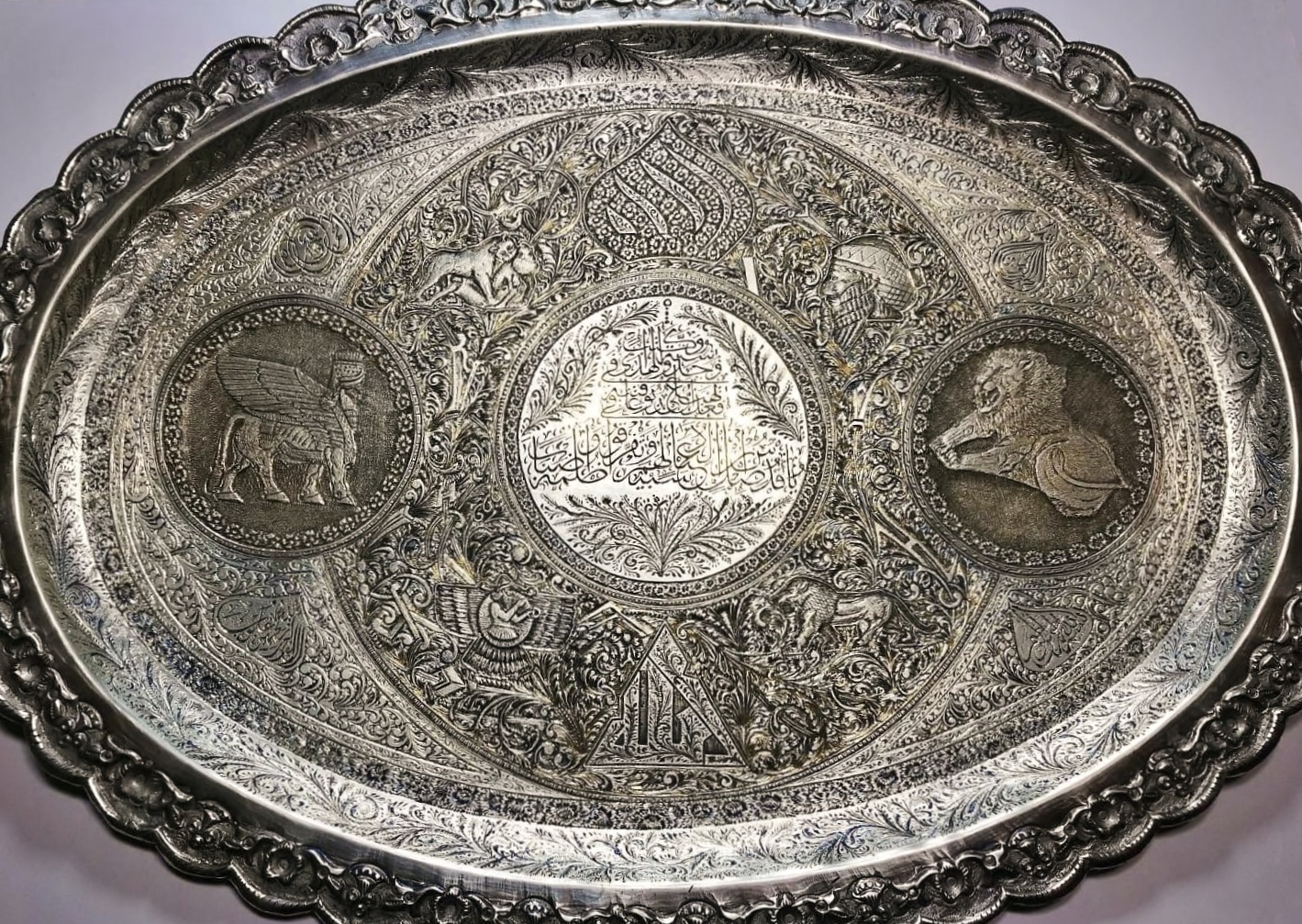
Fig 3) Hamid Royed 2015-2023, Amman, Jordan.
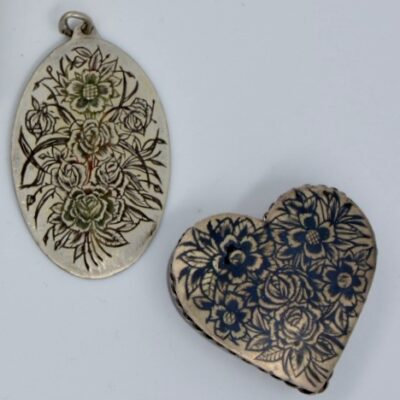
Fig 4) Abd Al-Razzaq Royed (Father of Hamid Royed). Baghdad, Iraq.
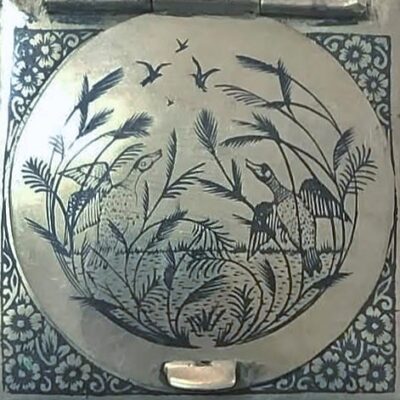
Fig 5) Abd Al-Razzaq Royed (Father of Hamid Royed). Baghdad, Iraq.
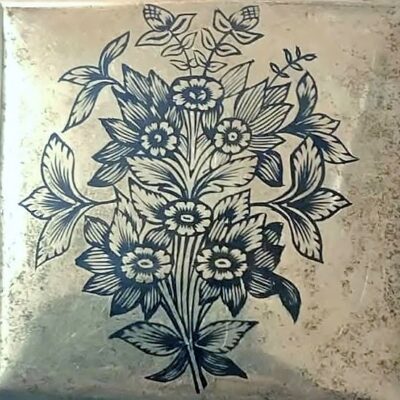
Fig 6) Abd Al-Razaaq Royed (Father of Hamid Royed), Baghdad, Iraq.
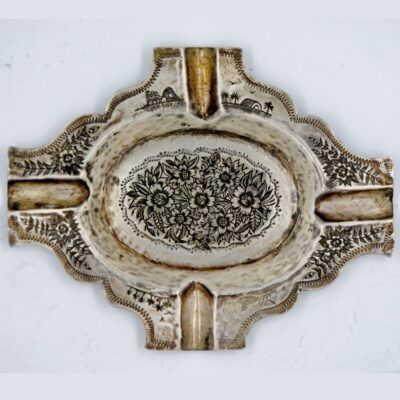
Fig 7) Abd Al-Razzaq Royed (Father of Hamid Royed), Baghdad, Iraq.
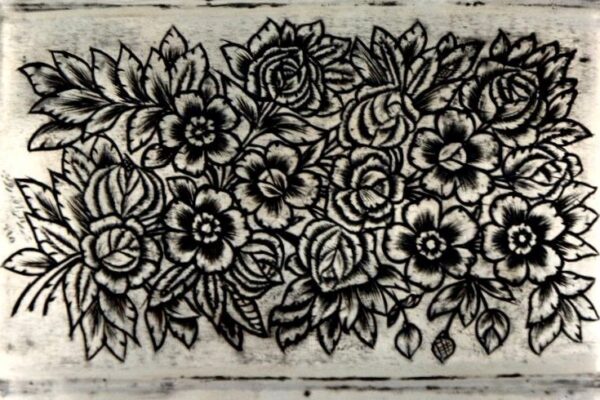
Fig 8) Abd Al-Razzaq Royed (Father of Hamid Royed). Baghdad, Iraq.
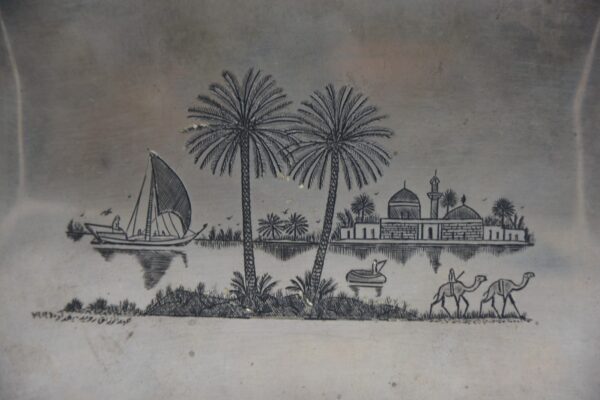
Fig 9) Abd Al-Razzaq Royed (Father of Hamid Royed), Baghdad, Iraq.
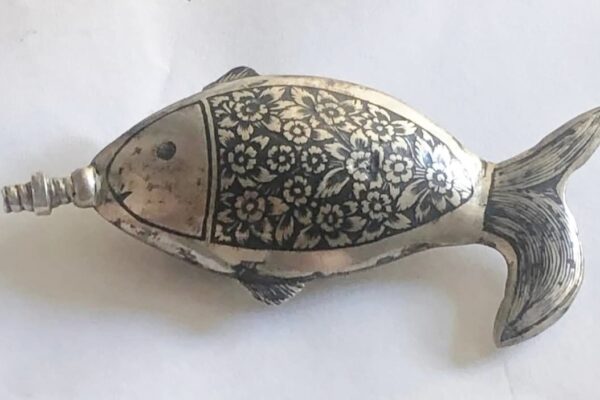
Fig 10) Abd Al-Razzaq Royed (Father of Hamid Royed), Baghdad, Iraq.
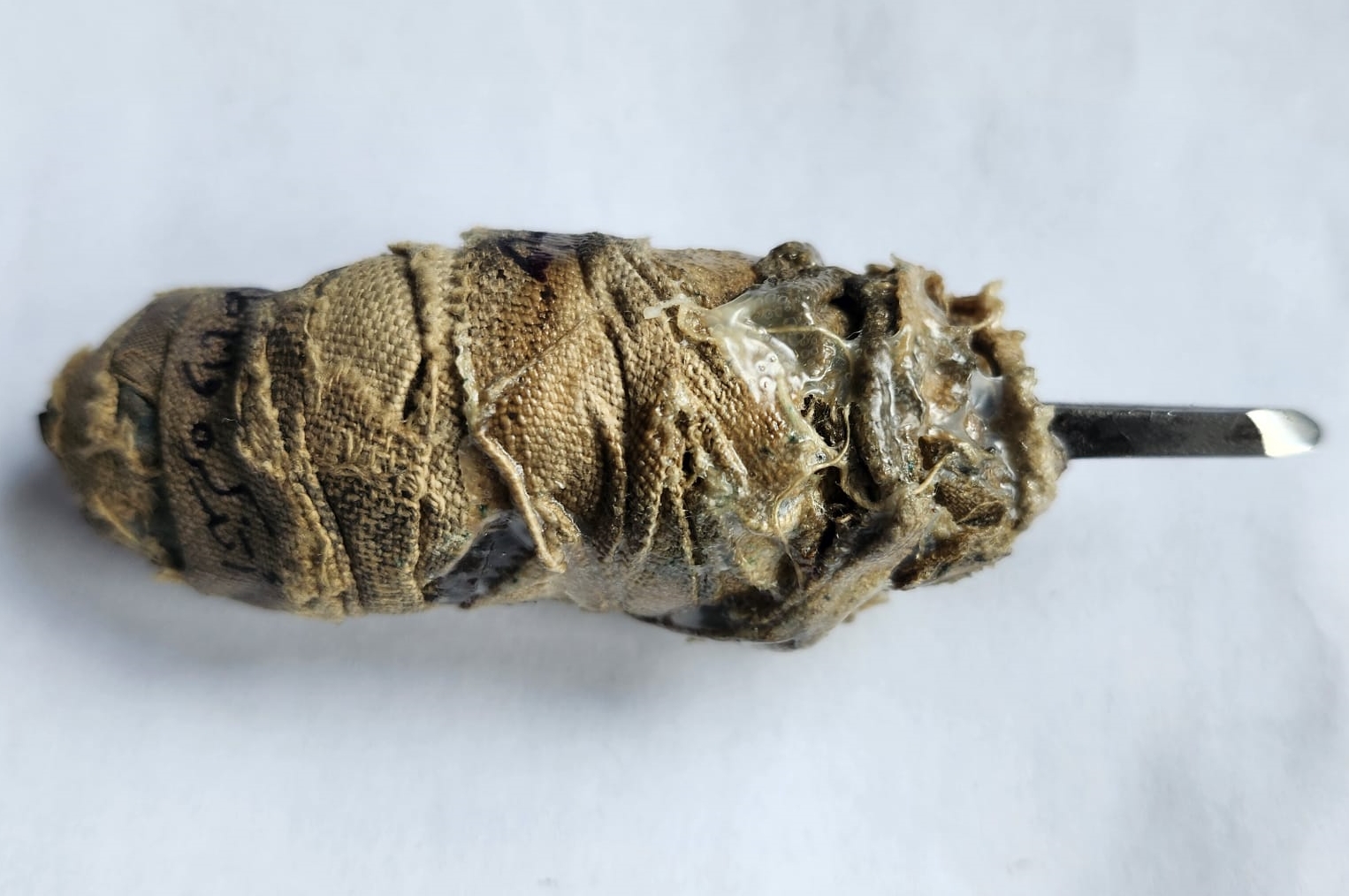
Fig 11) Chizel for silver engraving used by Abd Al-Razzaq Royed during the 1940s.
Ṣābiʾan Silverwork
Western travelers, researchers, orientalists, and historians devoted clear attention to this art and gave it a number of names, including: Ṣābiʾan silverwork, Mandaean silverwork, and ʿAmāra silverwork, on the grounds that the city of al-ʿAmāra located in south of Iraq, was the true cradle of this tradition.
One account states that the goldsmith Mullā Khaḍar, the father of Zahrūn, was the one who introduced this art into Iraq from the Caucasus by way of Iran. Hence, there appear to be notable similarities and affinities between Ṣābiʾan silverwork and Caucasian, Ottoman, and Iranian work, especially in engraving and enamel inlay.
A brief description of the principal professions of the Ṣābiʾa appeared in the Iraq Guide of 1936, where it was stated: Today the Ṣābiʾa practice such professions as goldsmithing, carpentry, blacksmithing, and agriculture; however, they have become particularly famous for enamel-work, namely the engraving, carving, and enameling of silver. Most of them adopted this craft, excelled in it, and became distinguished in it above all others.
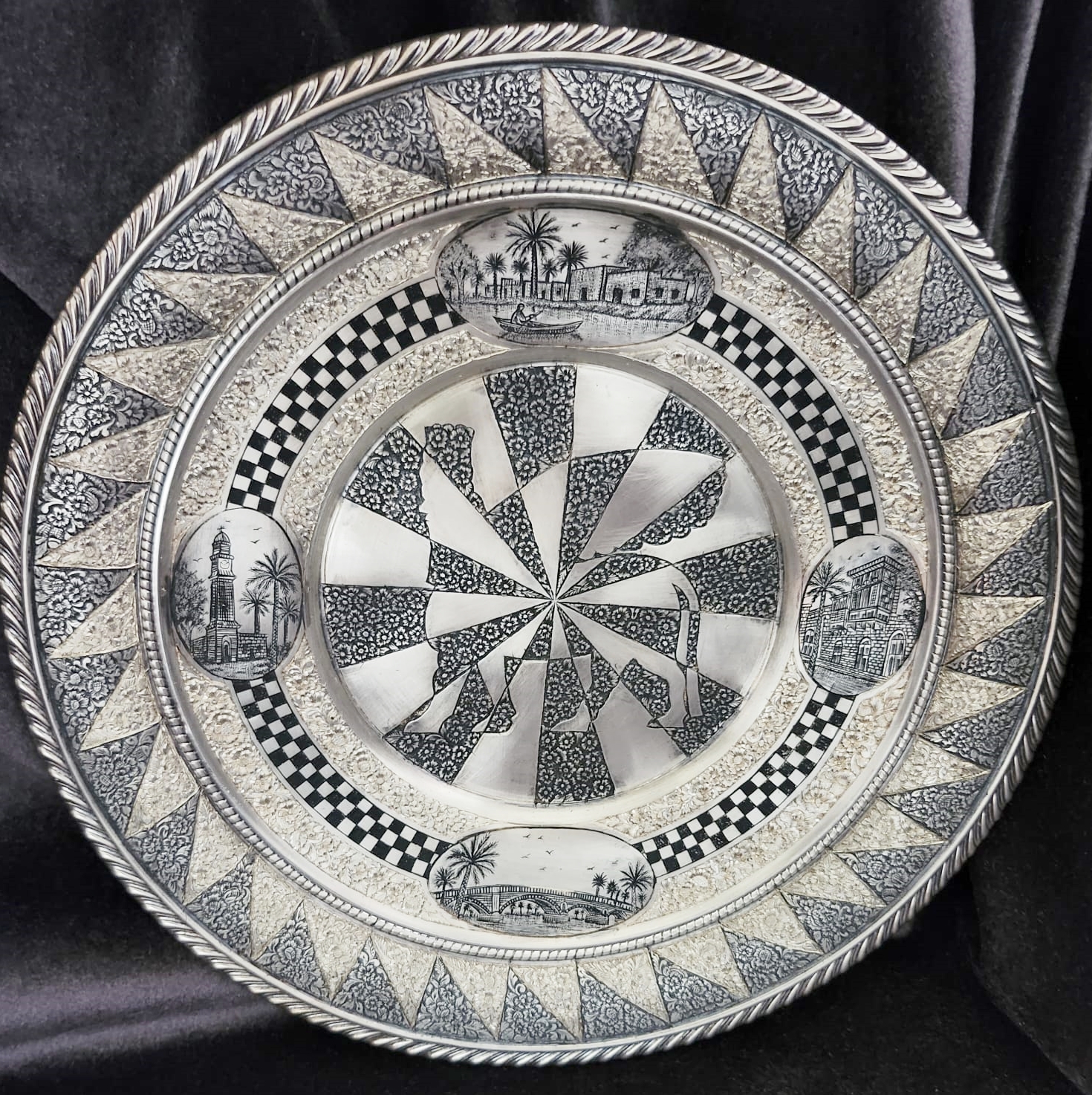
Fig 12) In``am Royed and Hamid Royed 2023-2026, Toronto, Canada.
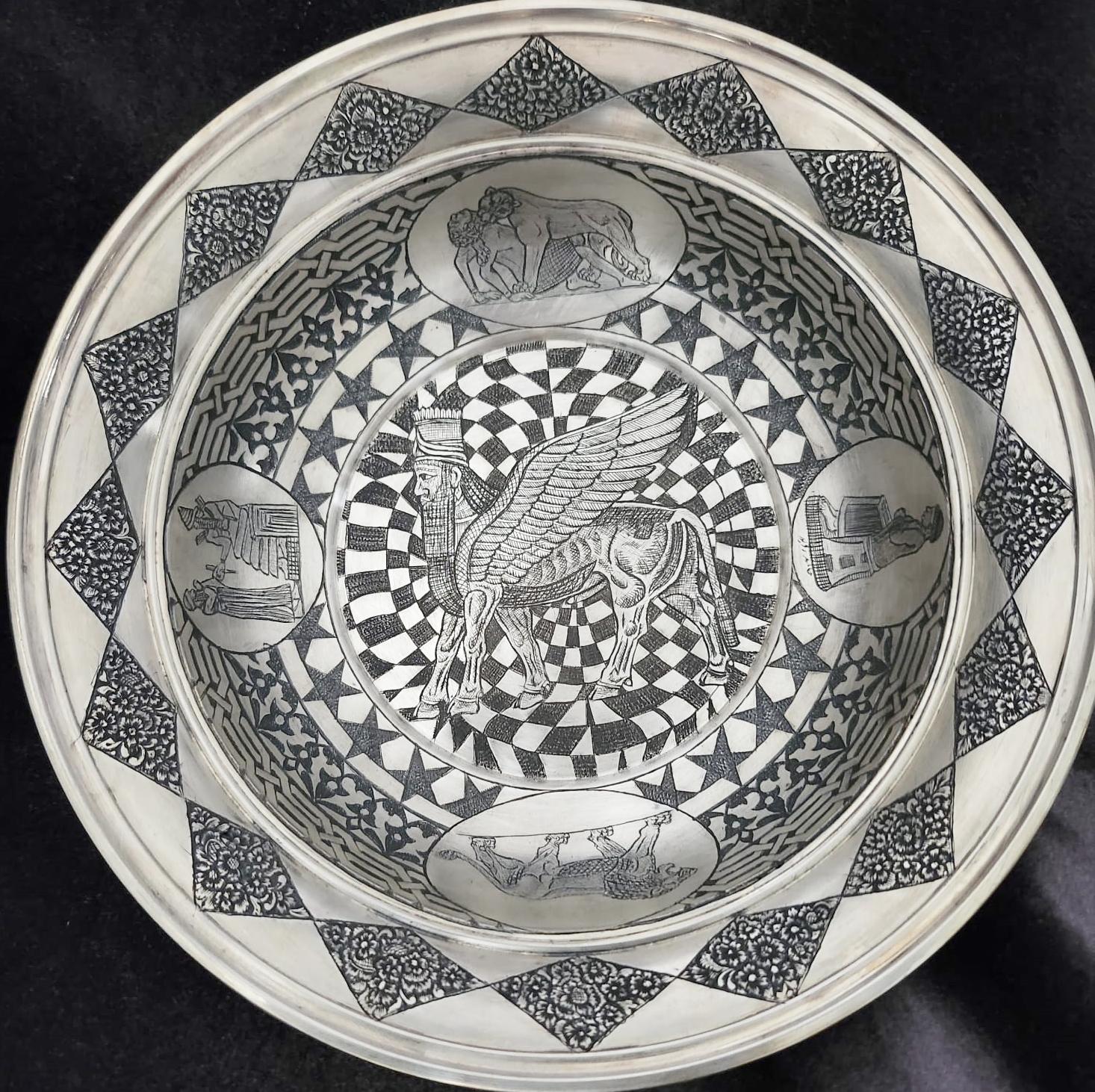
Fig 13) In``am Royed and Hamid Royed 2023-2026. Toronto, Canada.
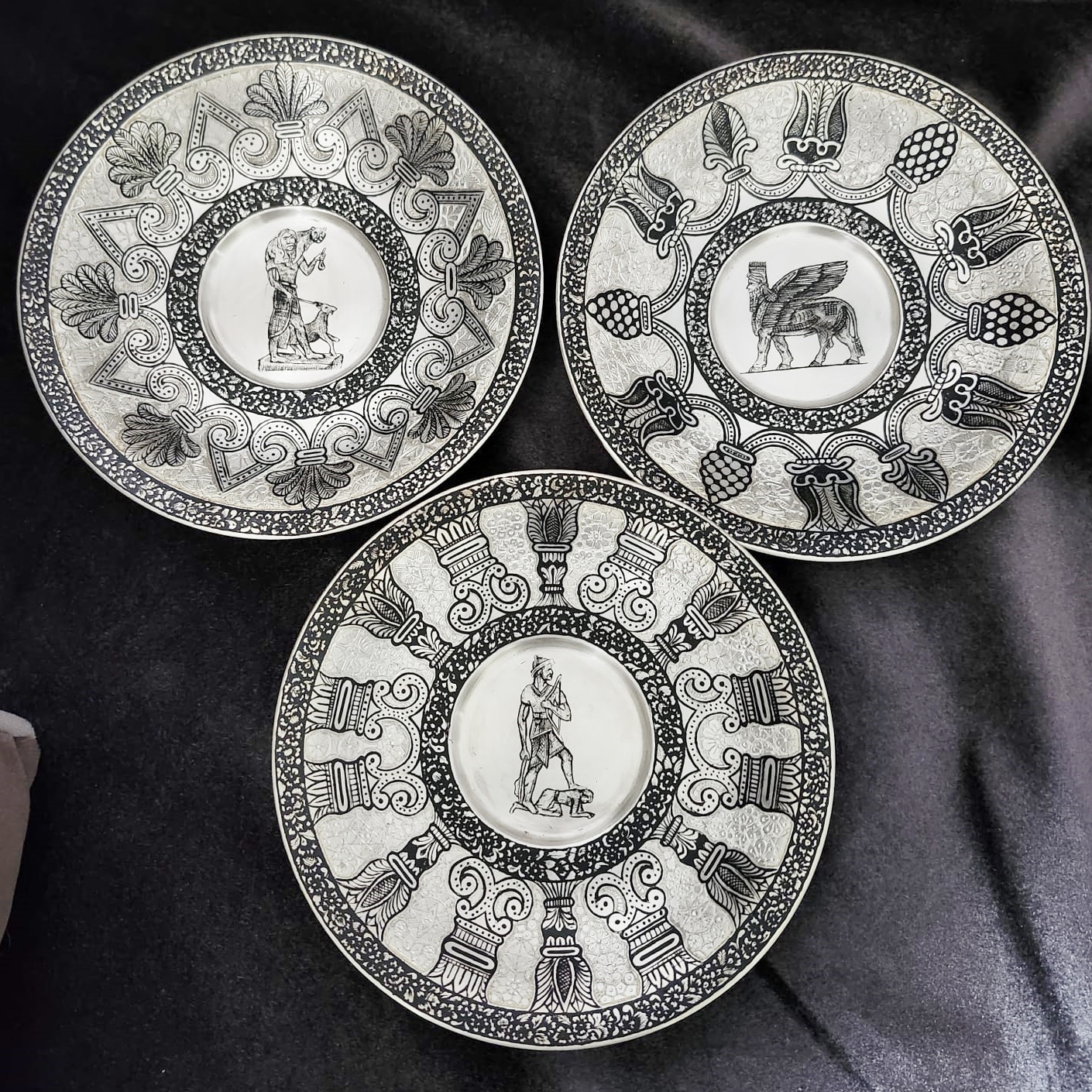
Fig 14) In``am Royed and Hamid Royed 2023-2026. Toronto, Canada.
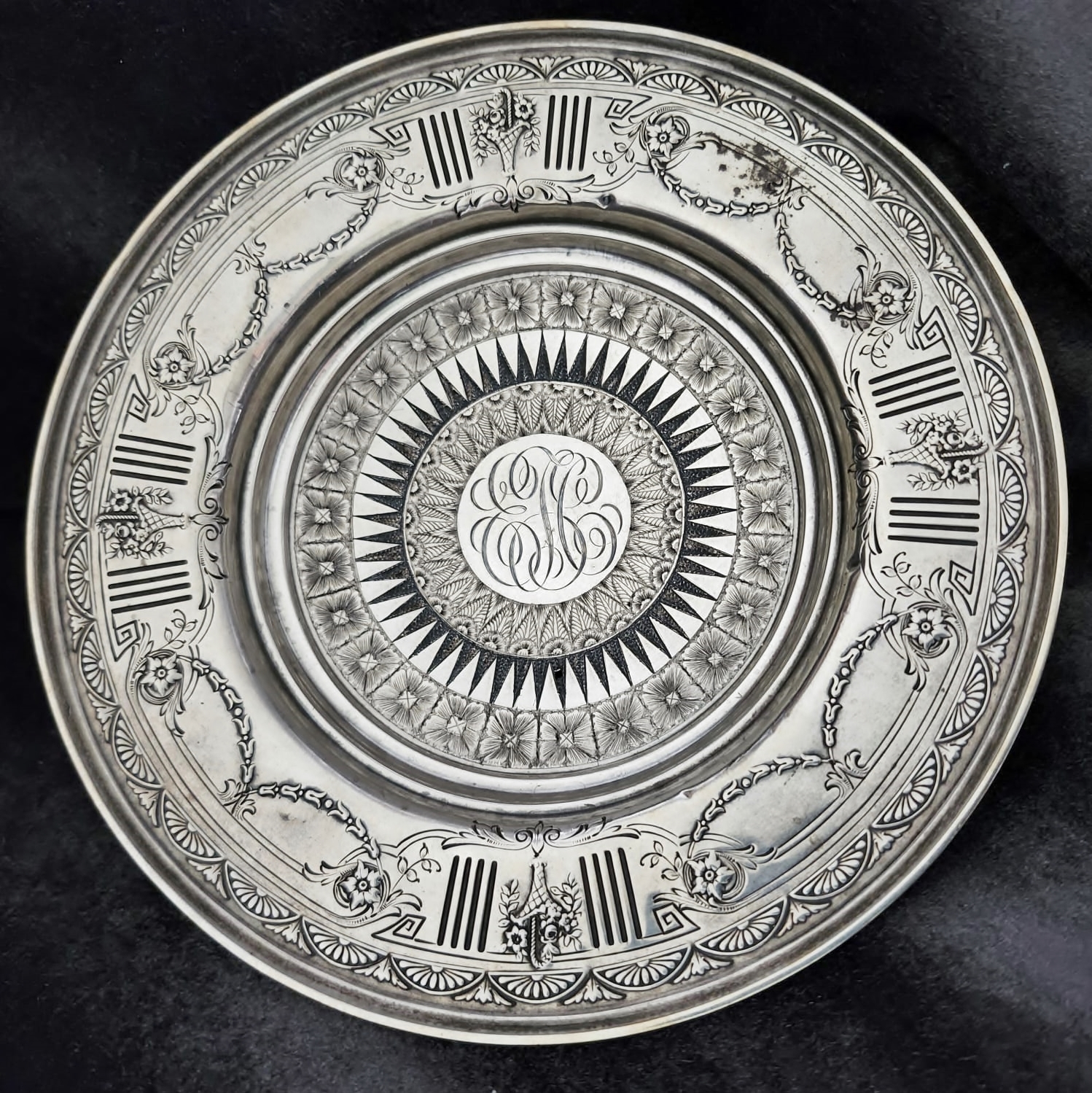
Fig 15) In``am Royed and Hamid Royed 2023-2026. Toronto, Canada.
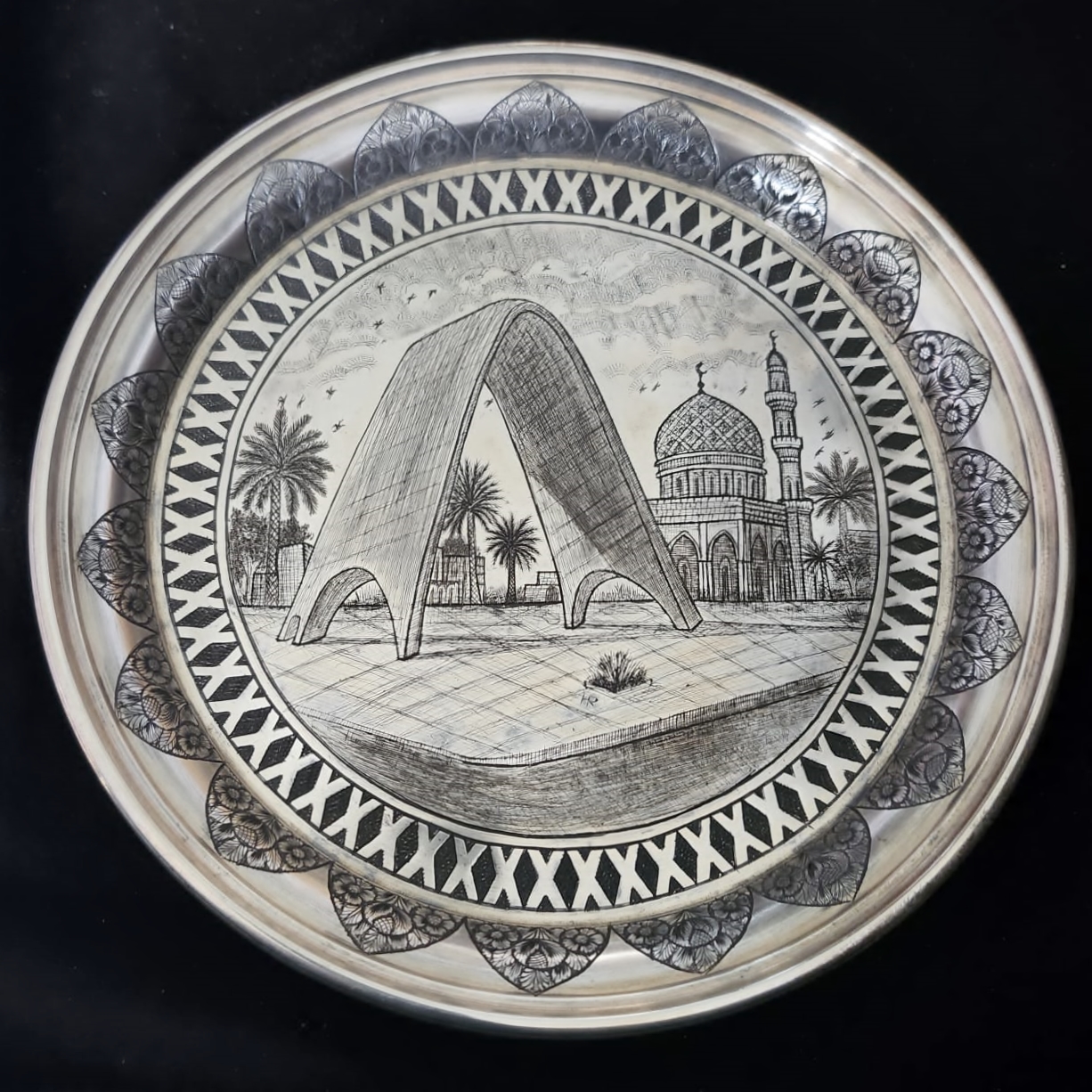
Fig 16) In``am Royed and Hamid Royed 2023-2026. Toronto, Canada.
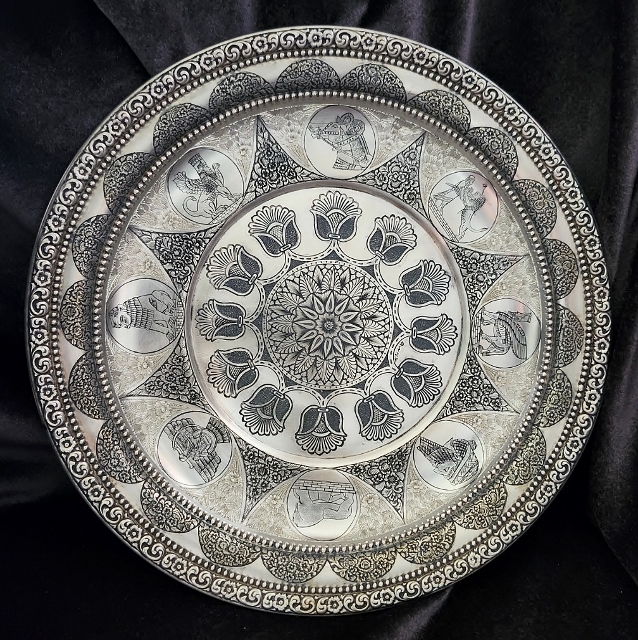
Fig 17) In'am Royed and Hamid Royed 2023-2026. Toronto, Canada.
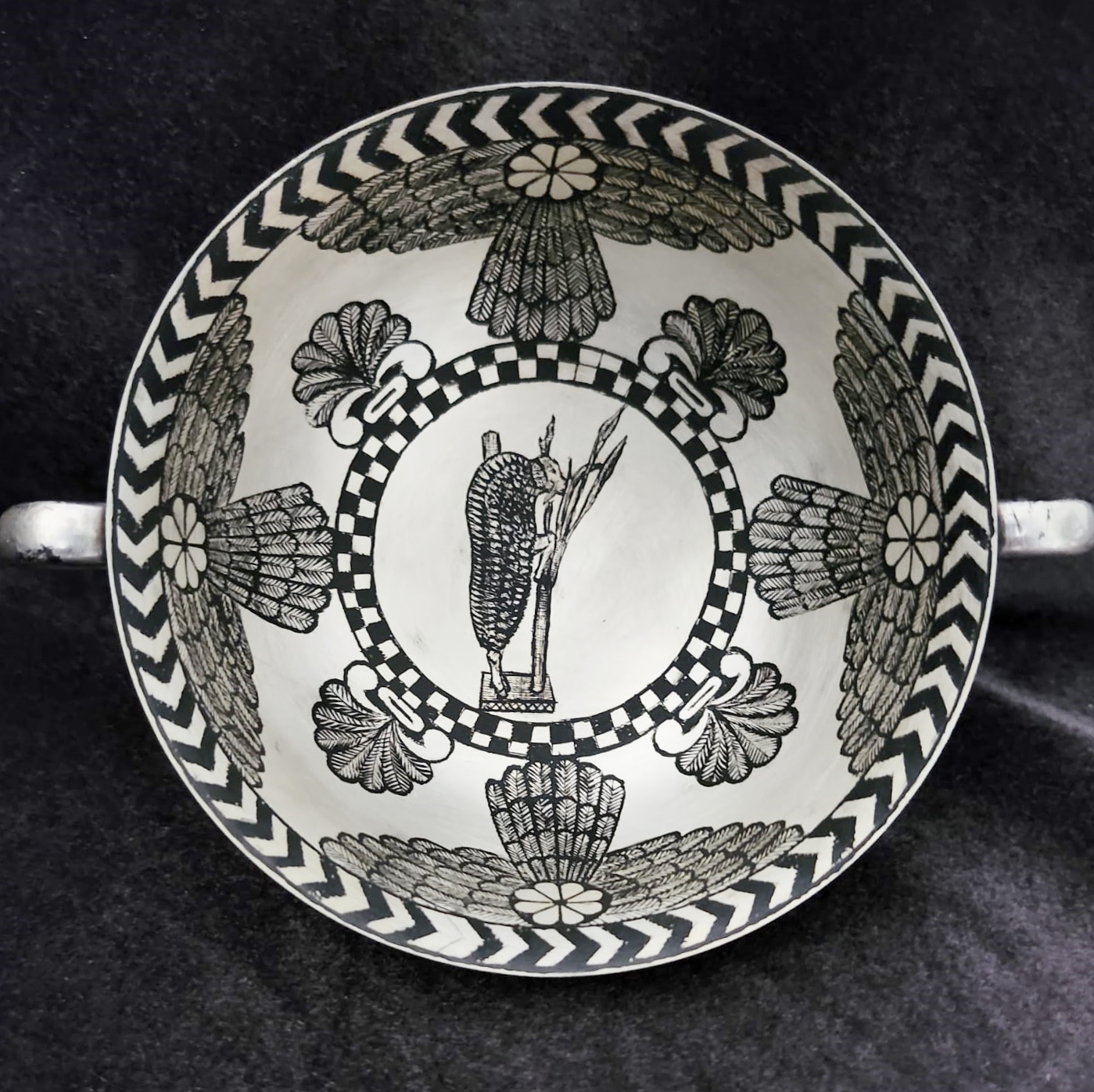
Fig 18) In'am Royed and Hamid Royed 2023-2026. Toronto, Canada.
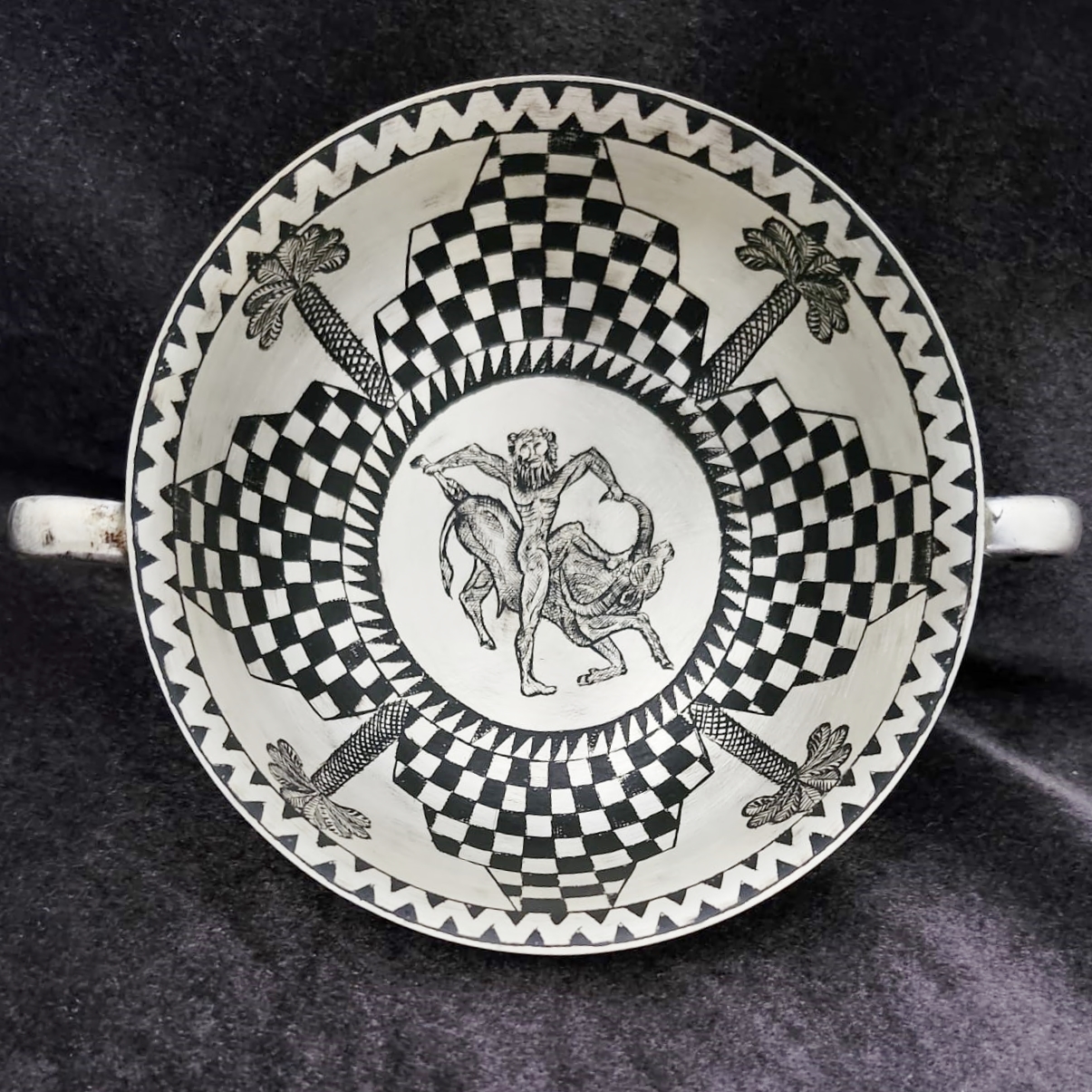
Fig 19) In'am Royed and Hamid Royed 2023-2026. Toronto, Canada.
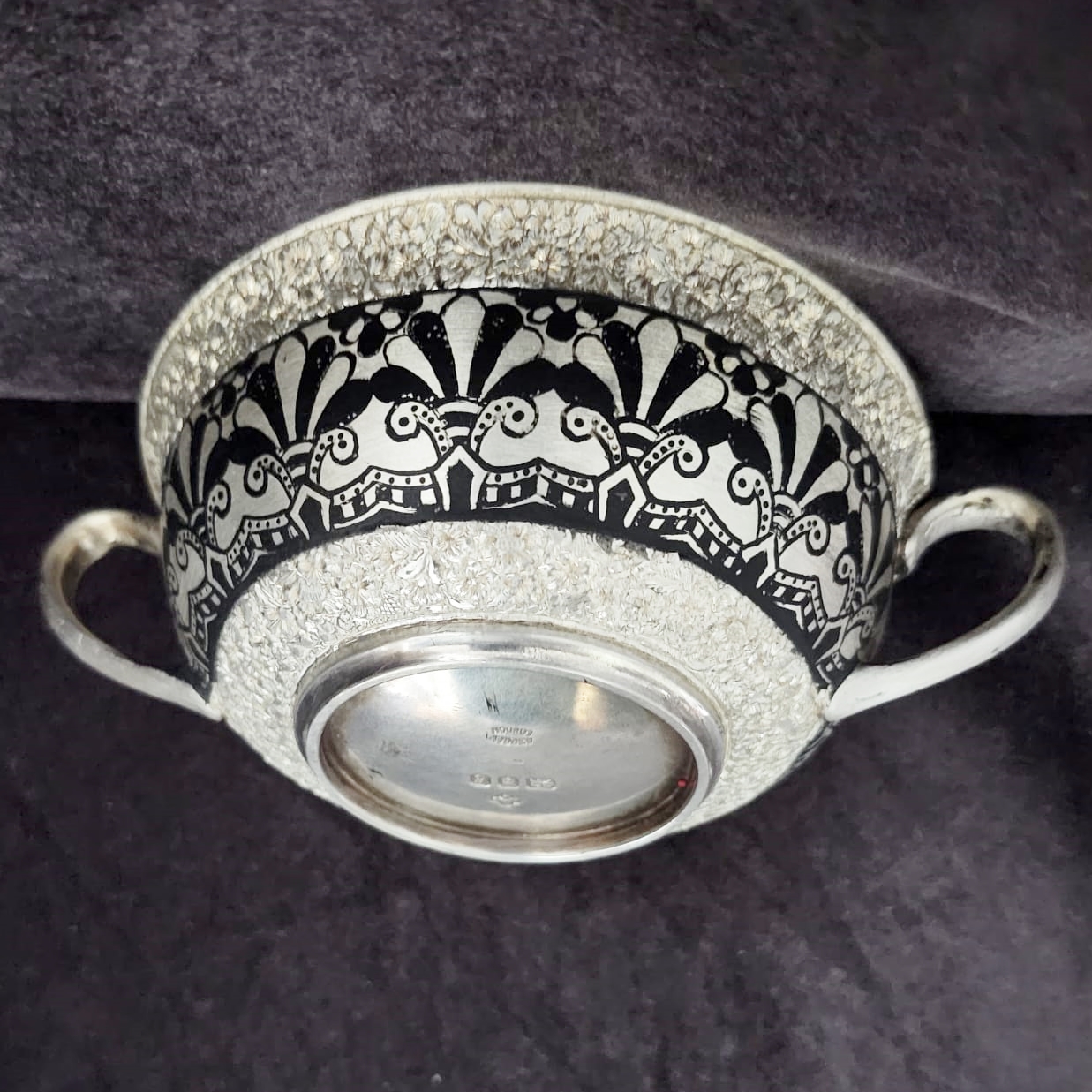
Fig 20) In'am Royed and Hamid Royed 2023-2026. Toronto, Canada.
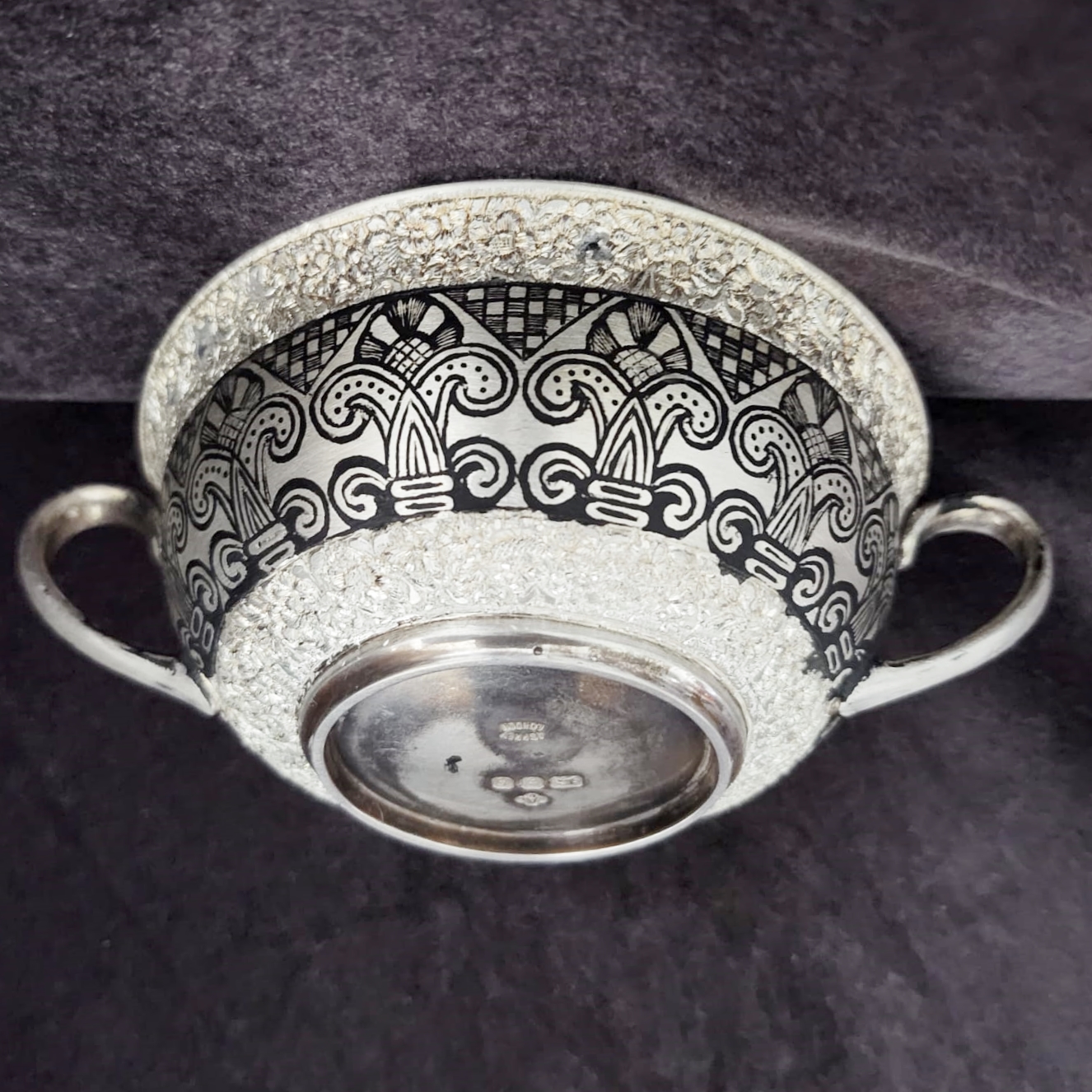
Fig 21) In'am Royed and Hamid Royed 2023-2026. Toronto, Canada.
Mandaean families specialized in silver work
A number of Mandaean families, became known for, and excelled in this beautiful and complex art. Among the most prominent were:
The Āl Royed family: among the best known of them were ʿAbd al-Razzāq, ʿAbd al-Karīm, and ʿAbd al-Ḥamīd Royed, and their sons and descendants: Hamid, Muḥammad, Inʿām, Akrām, Munʿim, Salām, Amjad, and ʿAlāʾ.
The Mullā Khaḍar family: among the most prominent were Zahrūn, Hirmiz, and Rashīd Mullā Khaḍar, and their sons and descendants: Ḥusnī, Ibrāhīm, ʿAzīz, Asmar, Sukrān, Jamīl, and Sām.
The Marrān family: among the best known were ʿAbbās ʿImāra, the father of the poet Lamīʿa ʿAbbās, and Shaykh ʿUnaysī, the king’s goldsmith.
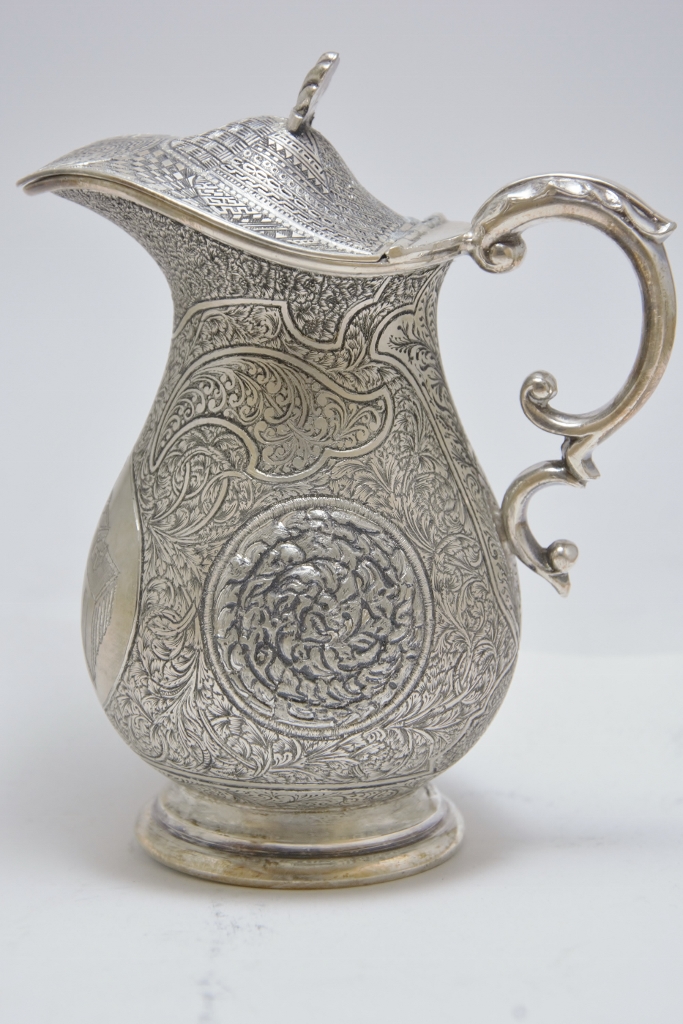
Fig 22) Hamid Royed 2023-2026. Toronto, Canada.
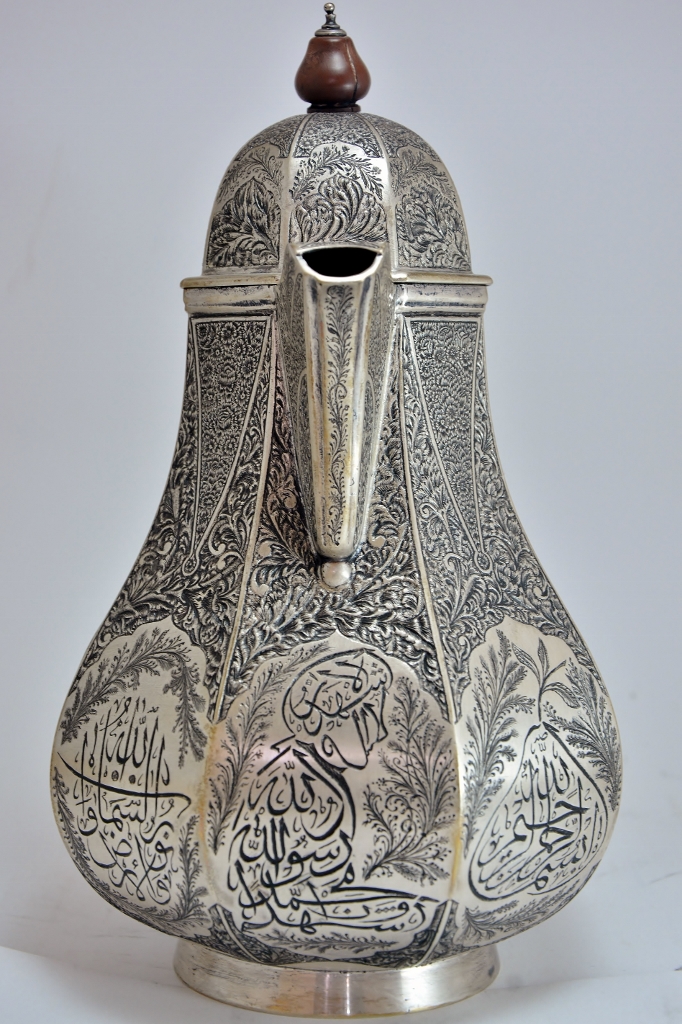
Fig 23) Hamid Royed 2015-2023. Amman. Jordan.
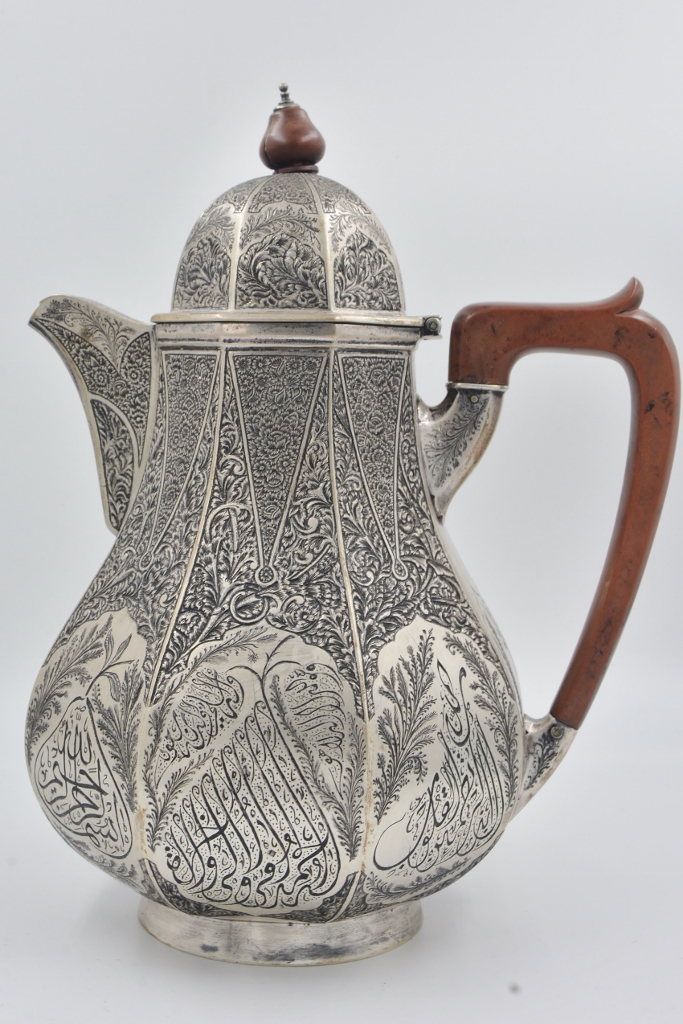
Fig 24) Hamid Royed 2015-2023. Amman, Jordan,
Ṣābiʾan silverwork consists of three stages: Metalworking – Engraving – Enamel Inlay
First Stage / Metalworking
This initial stage involves the fashioning of artistic pieces of various shapes, sizes, and types, and preparing them for engraving. At times, the craftsman specializes very precisely in a particular category of artistic work. Some, for example, specialize in making swords and daggers, while others specialize in cups, coffee pots, or boxes, and so on. It is extremely rare to find a smith who is equally creative in every specialty. Pieces that have been fashioned are only rarely left without engraving.
In the language of the craftsmen, the silversmith is called al-Mubayyaḍjī—that is, the craftsman associated with the whitening or brightening of silver—or al-Shāghūl, derived from the word work, or al-Sādjī, referring to plain silver that has not yet been engraved. A masterly craftsman in the making stage is called al-Ustā or al-Ustād, meaning the master craftsman.
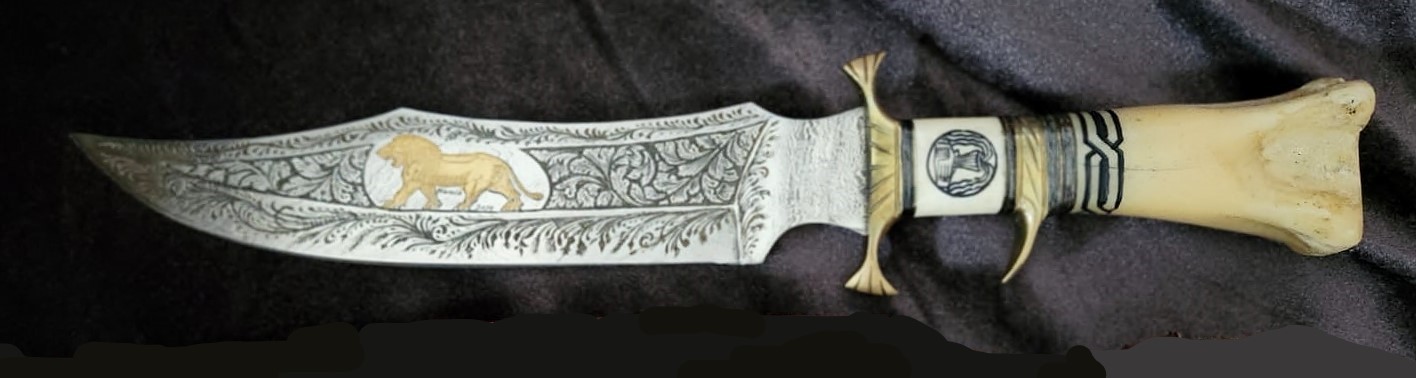
Fig 25) Hamid Royed, 2015-2023. Amman , Jordan.
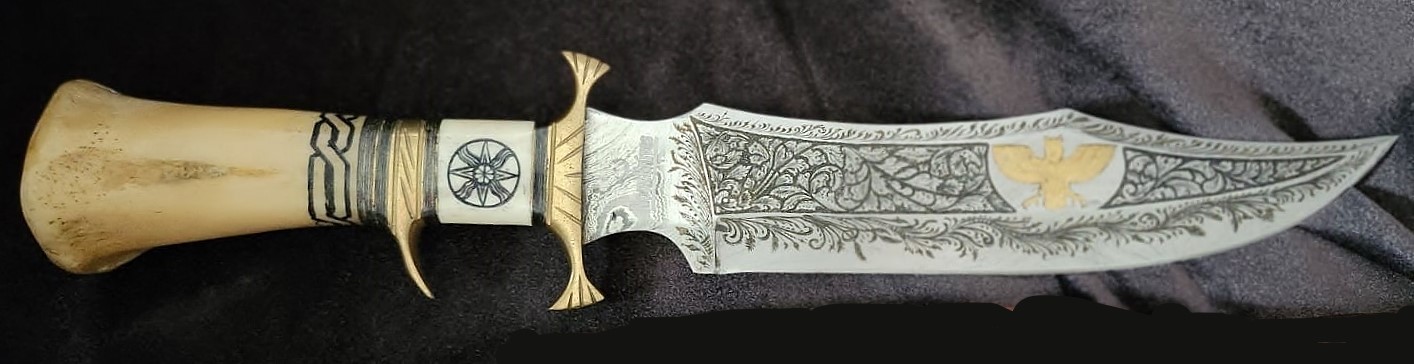
Fig 26) Hamid Royed. 2015-2023. Amman , Jordan.
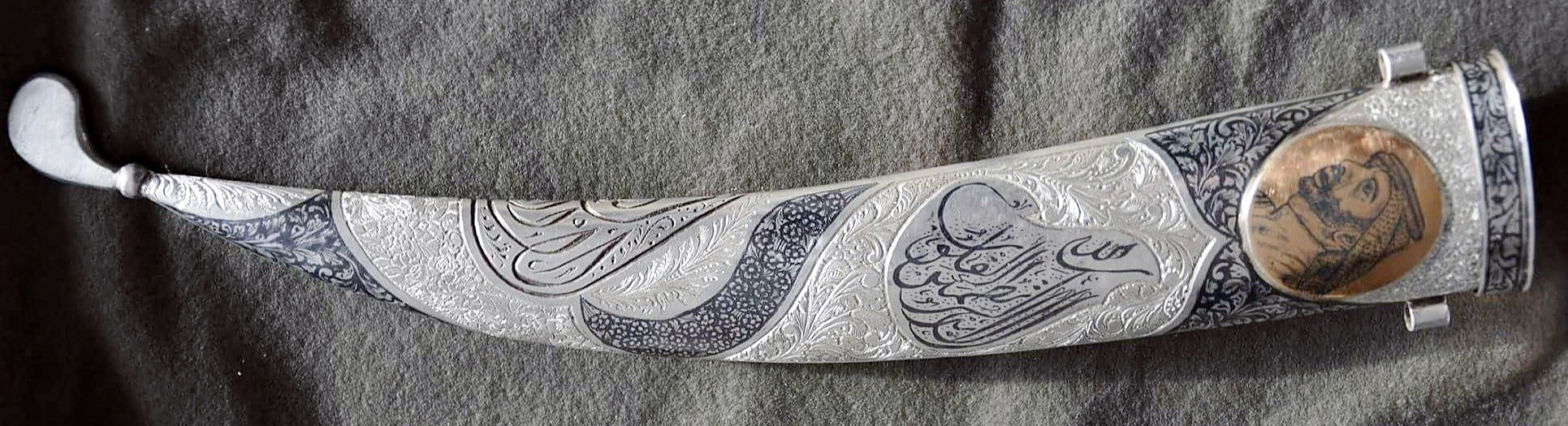
Fig 27) Hamid Royed 2013. Baghdad, Iraq
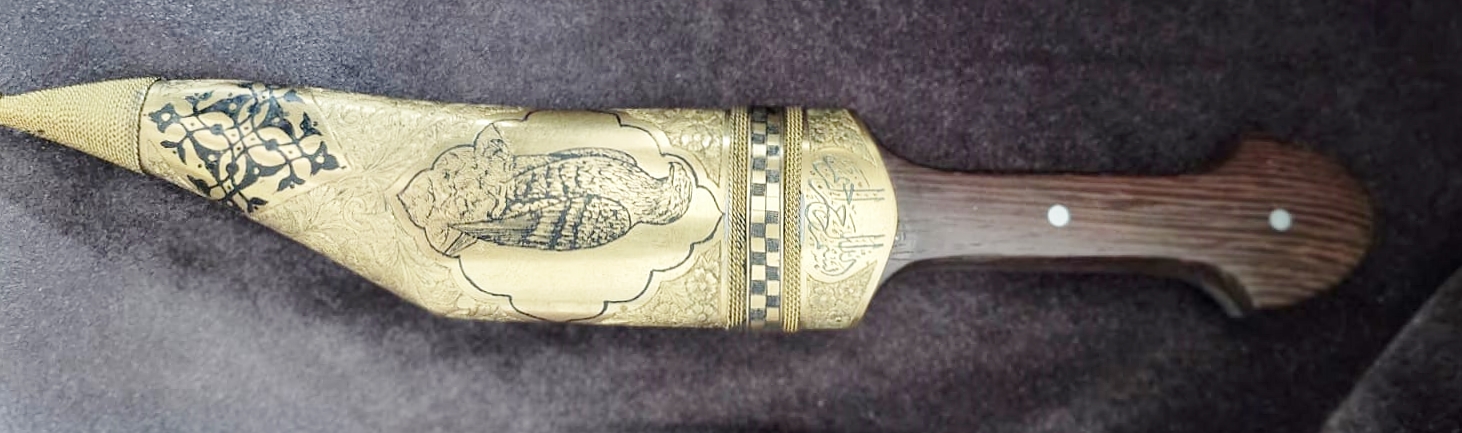
Fig 28) Hamid Royed. , 2023-2026. Toronto, Canada.
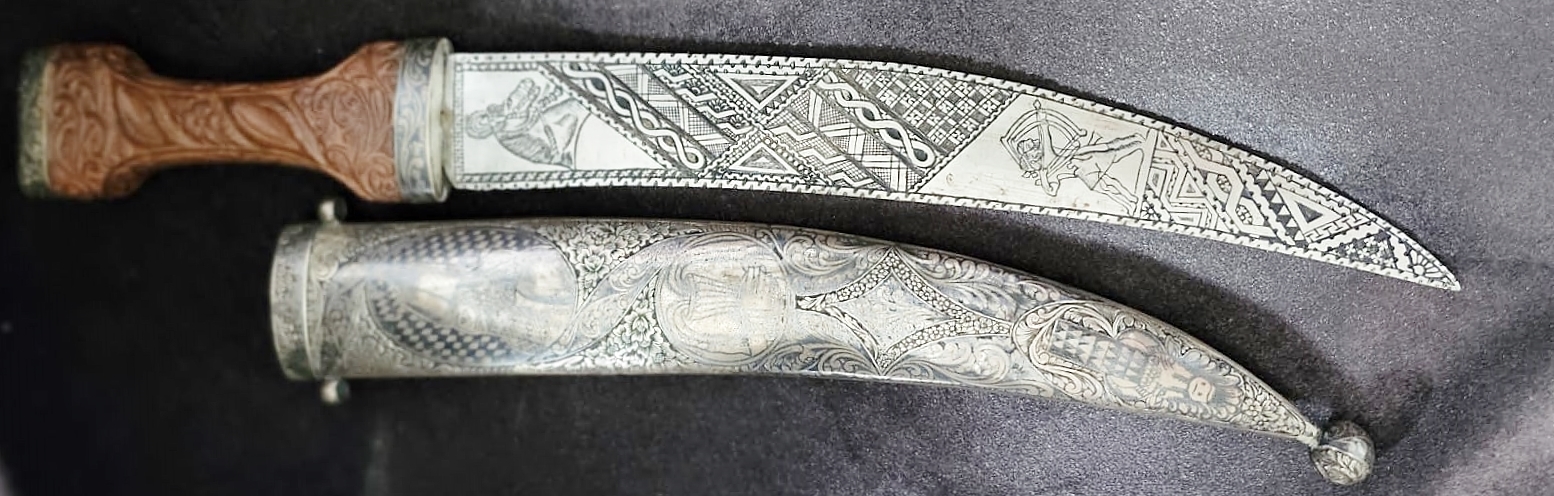
Fig 29) Hamid Royed 2015-2023. Amman, Jordan.
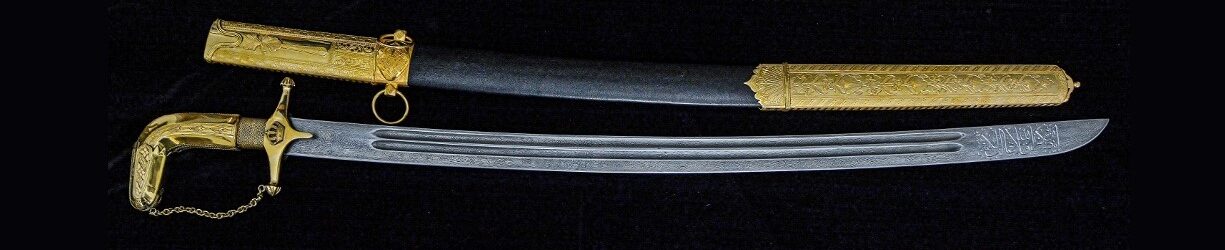
Fig 30) Hamid Royed 2015-2023, Amman, Jordan.
Second Stage / Engraving
Engraving is bound to silverwork in a deeply rooted and intimate way, to the point that it is difficult to imagine fashioned pieces being left unengraved.
Engraving is among the arts that are difficult, complex, and hazardous, particularly for those of limited experience. It requires a long period of training and practice—sometimes a very long one—before the apprentice reaches the stage of professional practice. Indeed, some trainees do not attain full mastery and excellence unless their practical training is joined by talent and creativity.
Ṣābiʾan engraving was long regarded as an overwhelmingly male art, yet about three decades ago my sister Inʿām Royed entered this difficult and dangerous world and excelled in it remarkably, until her name entered the Encyclopedia of Notable Figures of Iraq as the first woman to practice engraving professionally.
Mechanical Engraving (Non-Hand Engraving)
This is relatively modern and appeared with the invention of machinery. Its forms include mechanical, electrical, and chemical engraving.
Hand Engraving
This is extremely ancient—indeed, as old as human civilization itself. Its existence coincided with the discovery of metals around 3500 BCE in Mesopotamia and the Nile Valley.
In Iraq, two methods of engraving became widespread:
Hammer Engraving (Naqr)
This consists of creating depressions in the surface of the metal using iron rods whose tips bear different engraved forms—such as circular marks, lines, dots, and the like—together with the use of a hammer. This type of engraving was practiced by Iraqi Jews in the silver objects for which they became known, referred to as Jewish silverwork. It was also practiced in Najaf, Karbala, and al-Kāẓimiyya for decorating shrine façades, swords, daggers, and certain artistic pieces.
Incised Engraving
This consists of removing or cutting away part of the surface of the engraved metal. It is the method that concerns us in this article, because Ṣābiʾan engraving is executed in this manner. In this type of engraving, a tool called, in the language of the trade, qalam al-naqsh—literally, the engraving pen/tool—is used. It measures approximately 10–15 cm in length and has a square cross-section measuring 4×4 cm. One of its ends is sharpened into the form of an inverted three-sided pyramid. The other end is fixed into a wooden handle suited to the comfort of the hand. The engraving process itself is carried out by applying the pressure of the hand gripping the handle directly onto the metal surface in order to remove part of it.
Incised engraving is the method that concerns us in this article, because Ṣābiʾan engraving is executed in this manner.
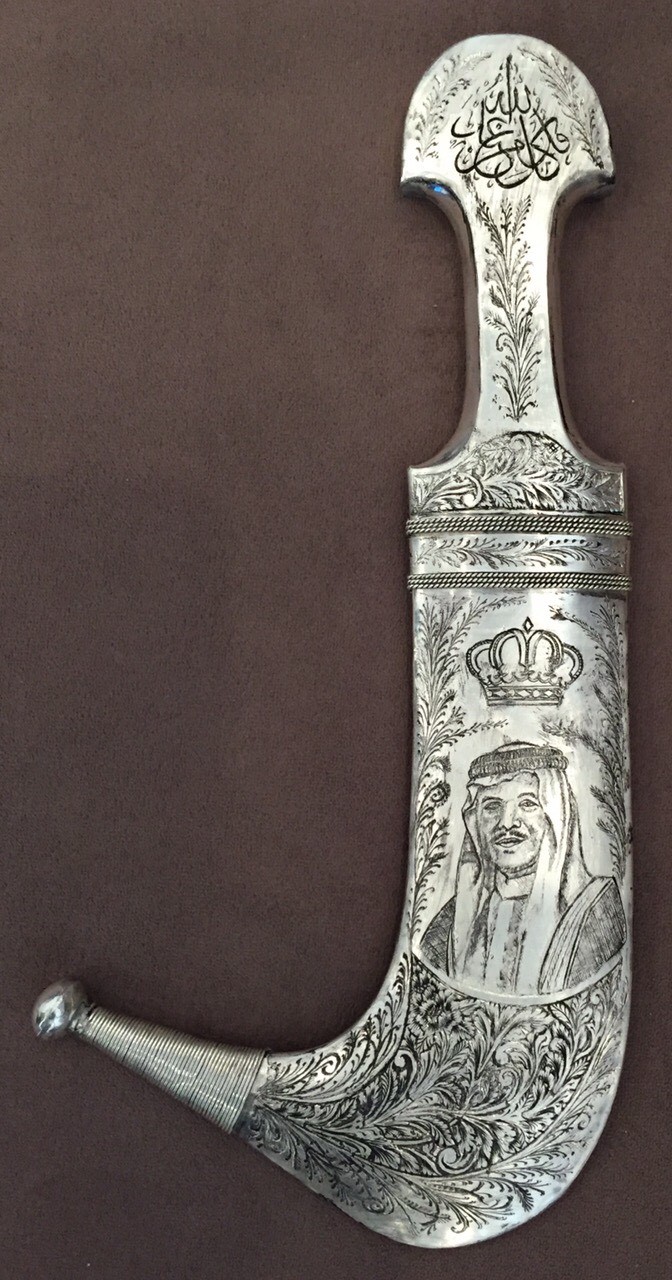
Fig 31) Hamid Royed 2015-2023. Amman, Jordan.
Main Subjects of Engraving
Ornamental Designs of Various Kinds
These include vegetals, geometric, Mesopotamian, Islamic, Western, symbolic, and letter-based or calligraphic motifs. The most common of all, however, is the interlaced vegetals design, which is usually executed in one of two manners: sunken or raised.
Latin or Arabic Script
Most Latin scripts can be executed, or they may be combined with one another, especially the intertwined letters known in the language of the craftsmen as monograms.
As for Arabic script, it is by far the more widespread and is used for engraving Qurʾanic verses, poetry, maxims, and names. Among the best-known styles are Thuluth, Dīwānī, Taʿlīq, Naskh, Ṭughrāʾ, and the various forms of Kufic, along with attempts to combine these styles.
Scenes, Motifs, and Symbols
These may be natural, archaeological, folkloric, or heritage-based, such as scenes of the countryside, the marshes, Baghdadi architecture, Islamic themes, and Mesopotamian themes.
Portraits
This type is considered one of the most difficult, most precise, and most elevated arts of engraving. The Ṣābiʾa excelled in it, specialized in it, and distinguished themselves by it, and they continue to do so to this very day, even after their migration outside Iraq.
Portrait engraving requires extraordinary effort, control, skill, and patience; yet even more demanding than the engraving itself is the process of revealing the niello from the engraved portrait, for this process must be carried out with absolute perfection and without the slightest error.

Fig 32) Hamid Royed 2015-2023. Amman, Jordan.
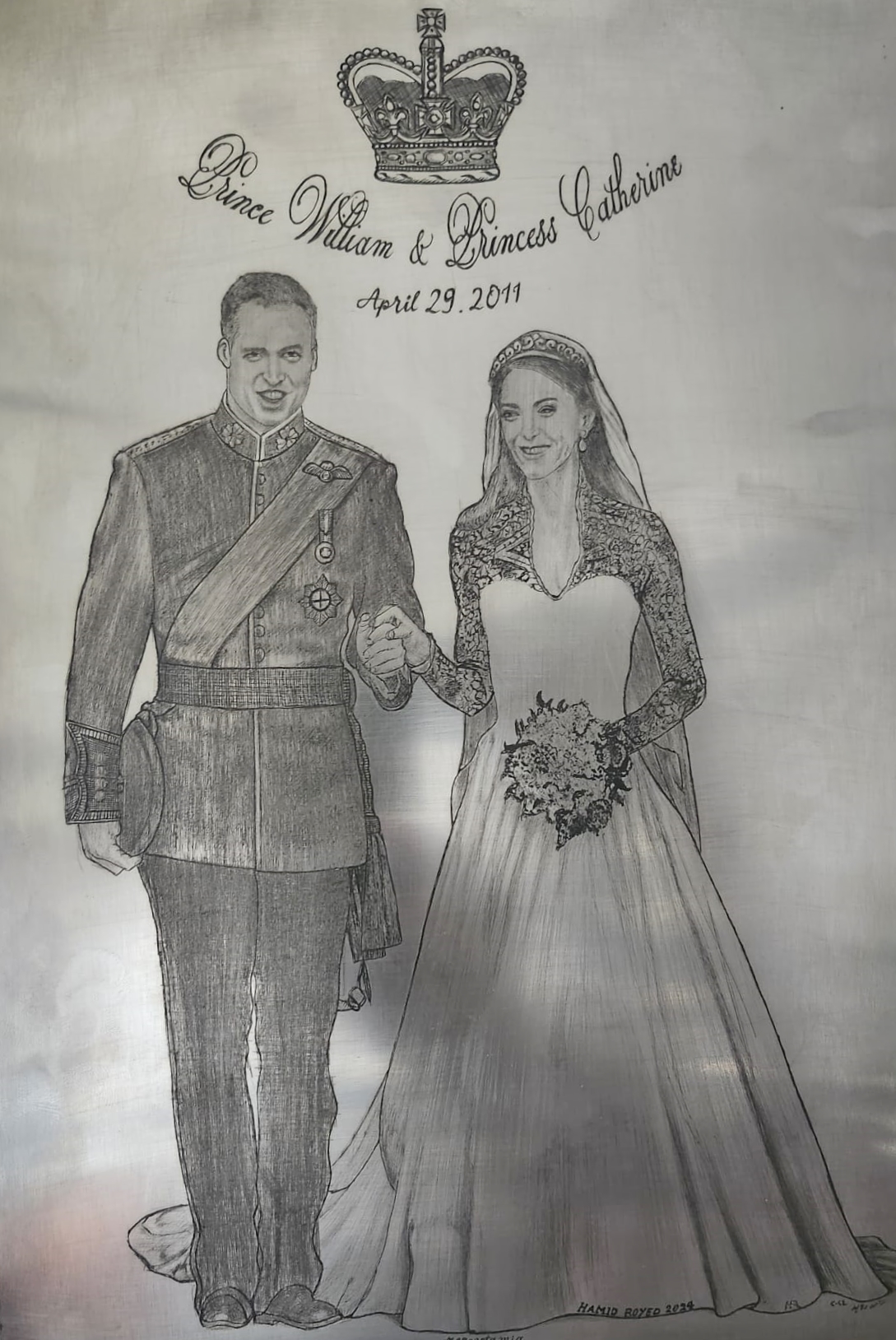
Fig 33) Hamid Royed, 2023-2026. Toronto, Canada.
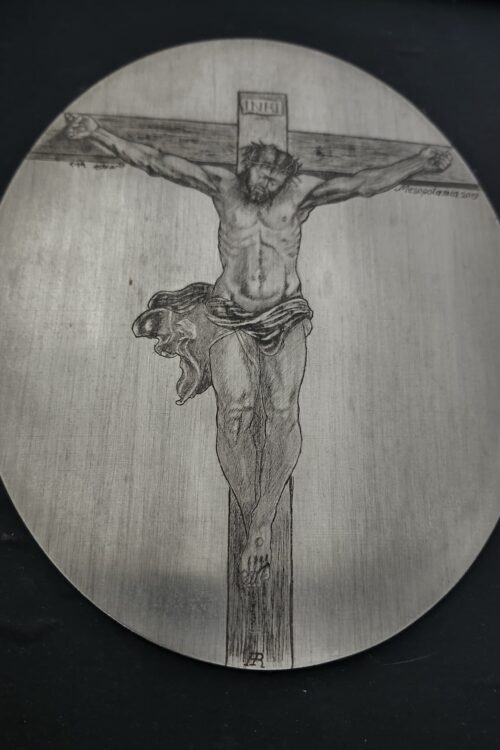
Fig 34) Hamid Royed 2015-2023. Amman, Jordan.
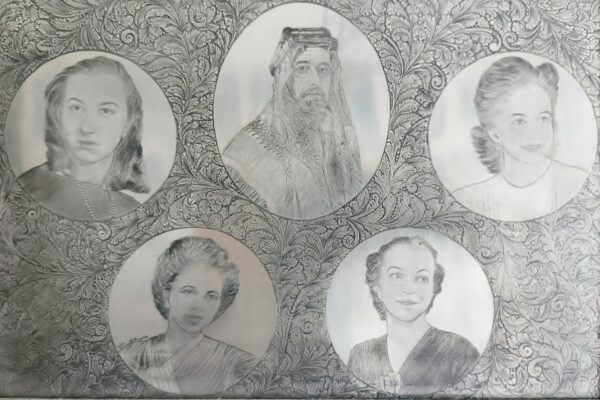
Fig 35) Hamid Royed 2015-2023. Amman, Jordan.

Fig 36) Hamid Royed 2015-2023. Amman, Jordan.
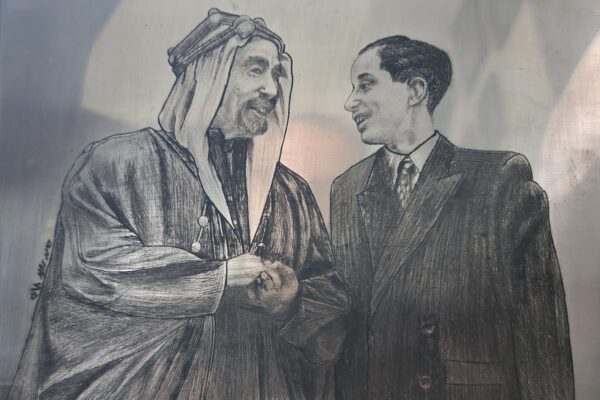
Fig 37) Hamid Royed 2015-2023. Amman, Jordan.
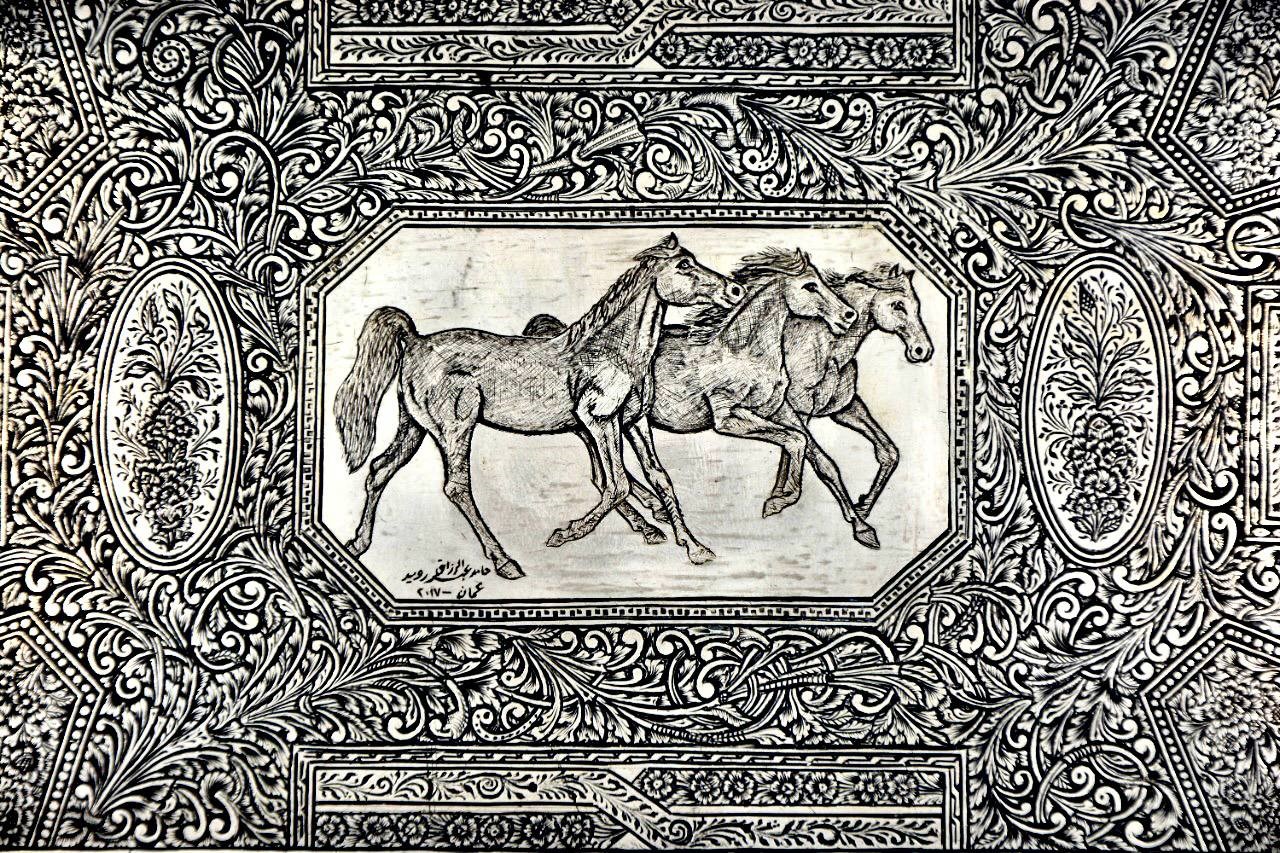
Fig 38) Hamid Royed 2015-2023. Amman, Jordan.
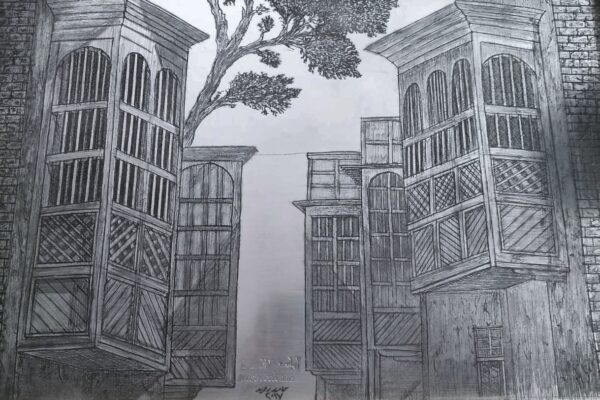
Fig 39) Hamid Royed 2015-2023. Amman, Jordan.
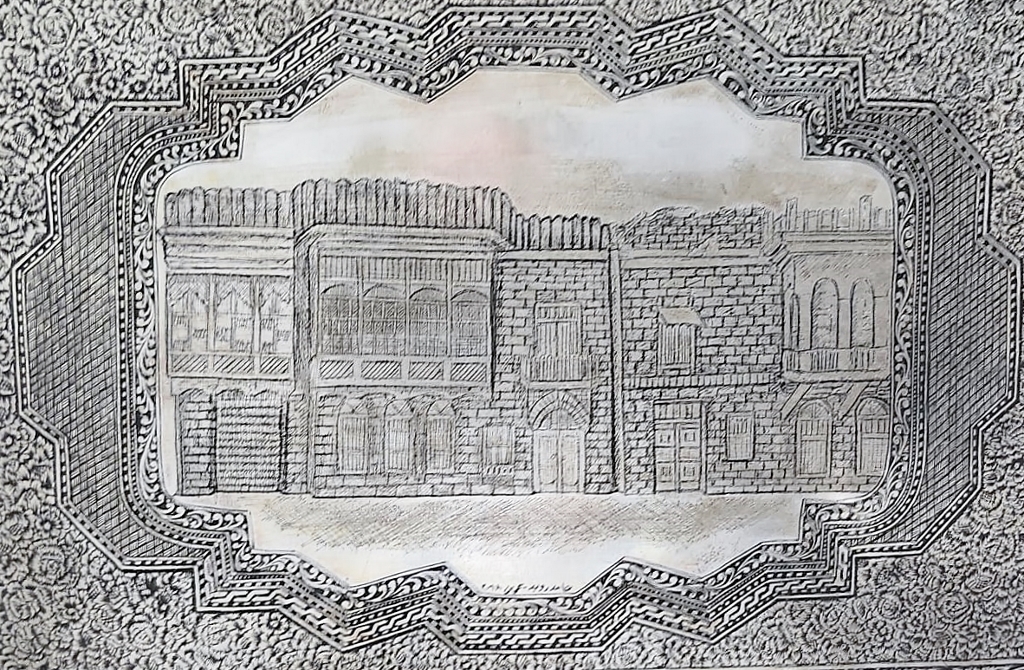
Fig 40) Hamid Royed 2023-2026. Toronto Canada..
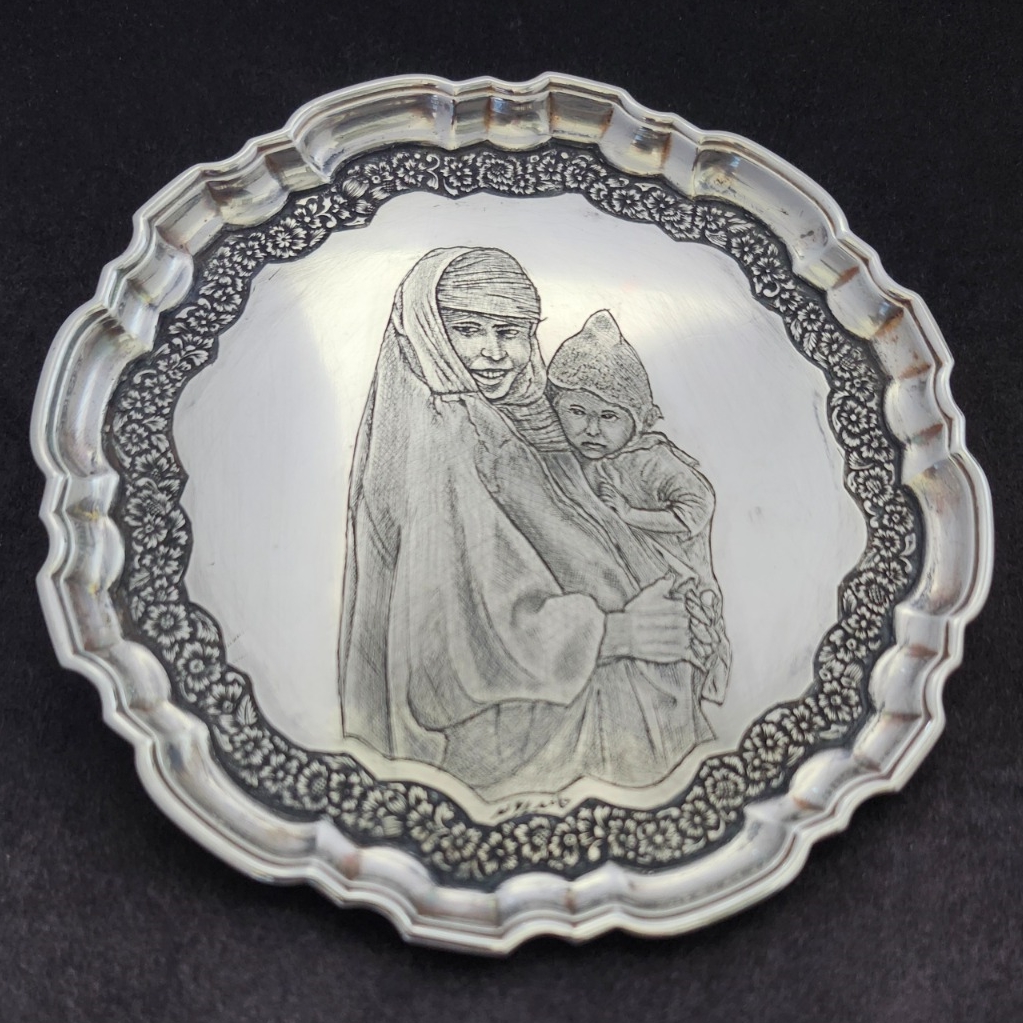
Fig 41) Hamid Royed 2023-2026, Toronto, Canada.
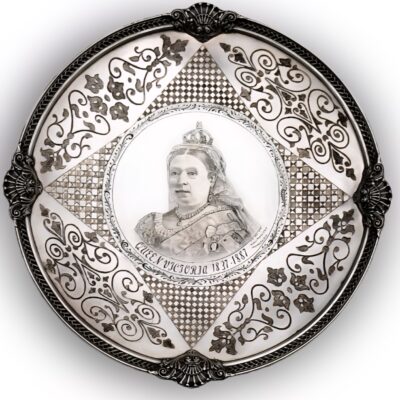
Fig 42) Hamid Royed 2023-2026. Toronto Canada.
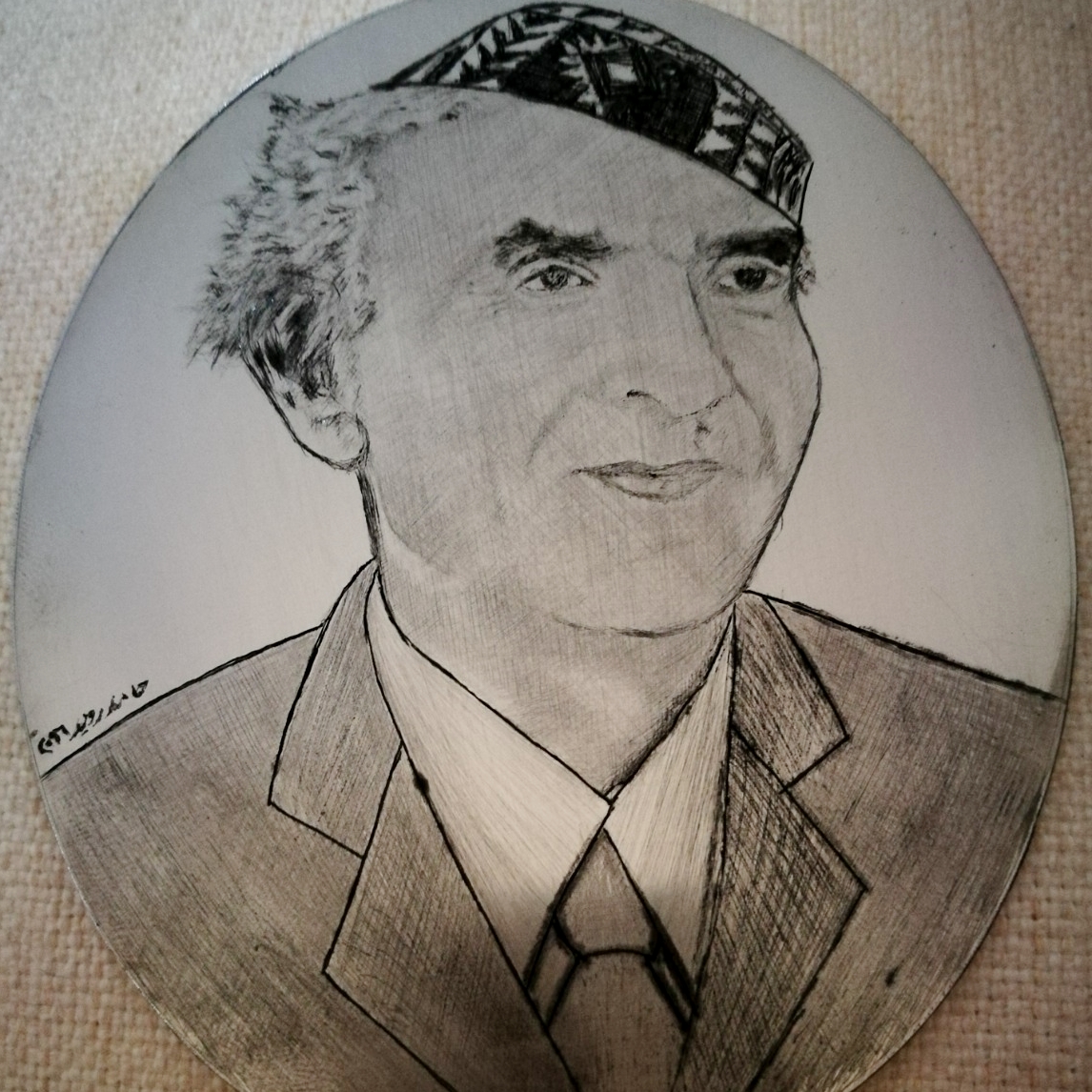
Fig 43) Hamid Royed, 2015-2023. Amman, Jordan.
Third Stage / Enamel Inlay
This stage is both complementary and decorative in silverwork, and it is carried out according to preference. Sometimes the engraved piece is left without any inlay; sometimes it is inlaid with enamel; and at other times one finds a combination on the same piece between free engraving (that is, engraving without enamel inlay) and non-free engraving (that is, engraving with enamel inlay).
Types of Enamel Used in Iraq:
- Cold colored enamel
- Hot colored vitreous enamel
- Black enamel (niello)
Cold Colored Enamel
This type exists in several forms and is called cold because it does not require high heat in the inlaying process. It comes in many colors, some opaque and others transparent, and is available in either liquid or solid form. It normally hardens at room temperature, or with the aid of chemical hardeners, mild heat, or UV rays.
At times, the engraver uses oxidizing chemical agents to age or darken the engraving. This method is generally used on copper and iron, especially in weapons, and only rarely on silver.
This enamel is affected by acids, chemicals, and heat, and therefore it is generally used in accessories, and only rarely in artistic pieces.
Hot Colored Vitreous Enamel
This enamel is ancient and widespread. It exists in all colors, both opaque and transparent, and comes in powdered form. It consists of a compound of glass powder and metal oxides, such as copper oxide – blue, or iron oxide – red, and so forth.
This enamel requires a high temperature in order to melt, and its melting point varies from one color to another. It can be applied to all metallic and non-metallic materials, such as ceramic. It is widely used in both accessories and art objects, whether on gold, silver, or other metals.
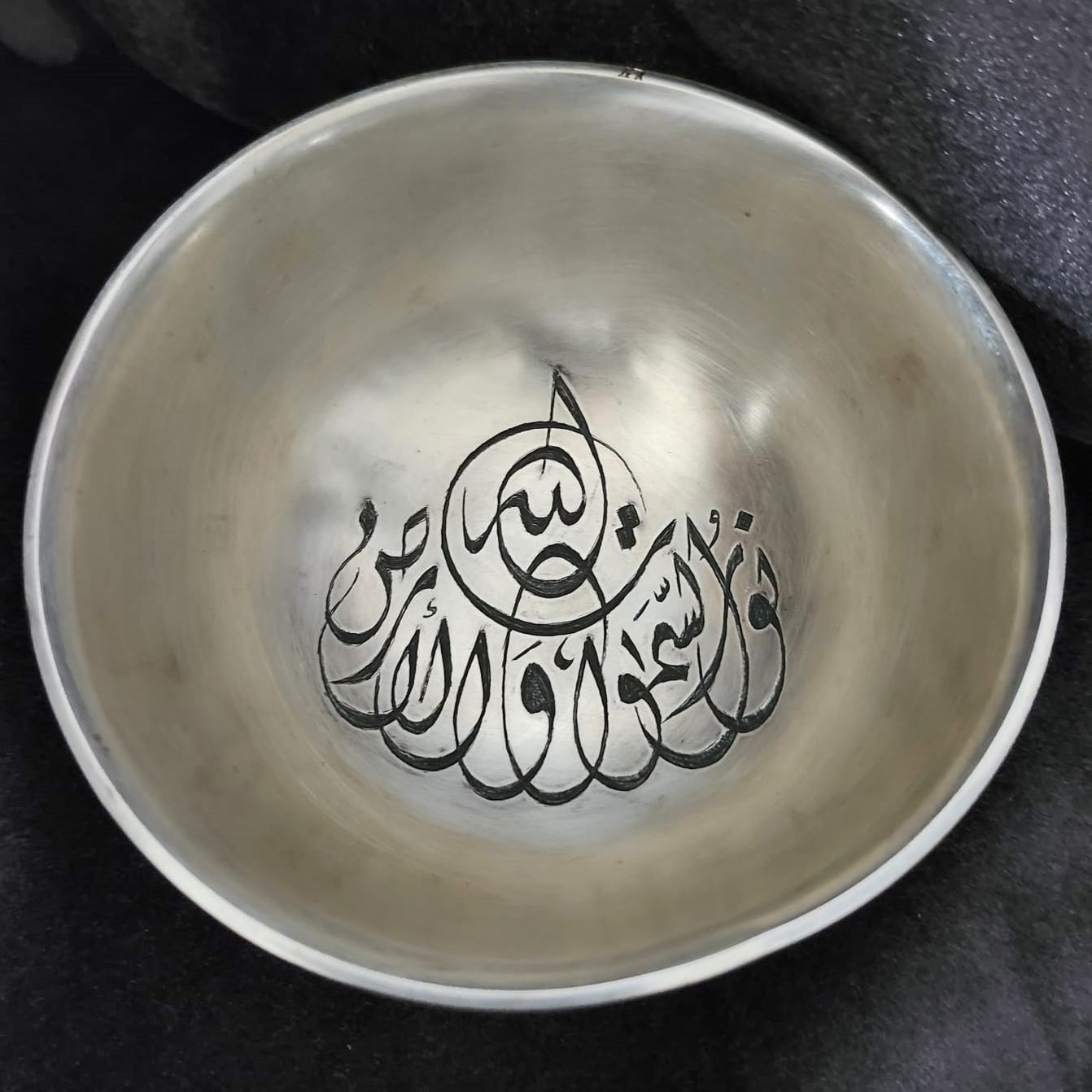
Fig 44) Hamid Royed 2023-2026. Toronto, Canada.
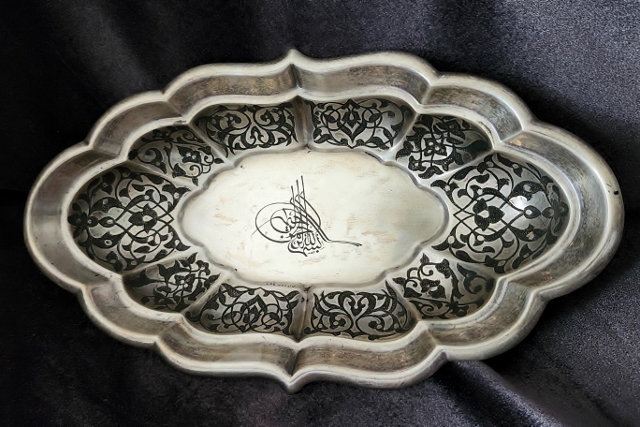
Fig 45) Hamid Royed. 2023-2026, Toronto Canada.
Black Enamel (al-Muḥarrak) – Niello
In the language of the craftsmen, this type is known as al-Muḥarrak, a workshop term linked to burning or firing.
This metallic enamel forms the core and essence of our discussion of Ṣābiʾan silverwork, for it became existentially bound to it, to the point that Ṣābiʾan work is sometimes simply called “enamel-work” for brevity and identification.
It is the most beautiful, the most refined, the most difficult, and the most expensive of all the enamel types mentioned.
Niello was widespread among the ancient Egyptians, Romans, Byzantines, and Sasanians, and it was used extensively in Europe during the Middle Ages. Later, however, it declined because colored vitreous enamel became more widespread as its replacement during the period of modern art.
It is believed that the Italian goldsmith Maso Finiguerra was the first to use the term niello, derived from the Latin Niger or Nigellus, meaning black.
The making of this enamel is popular, local, manual, and highly personal, meaning that every goldsmith has his own way and method of preparing and handling it; thus, each one possesses his own special secrets concerning it.
Working with it is difficult, complex, and exhausting, in addition to being dangerous because of the presence of lead and sulfur in its composition. For this reason, it has now become rare; and even when it is available, or when someone can still work with it, it is in any case very expensive—far more so than silver itself—especially in recent times, after its manufacture ceased in diaspora countries because of its harmful effect on the environment.
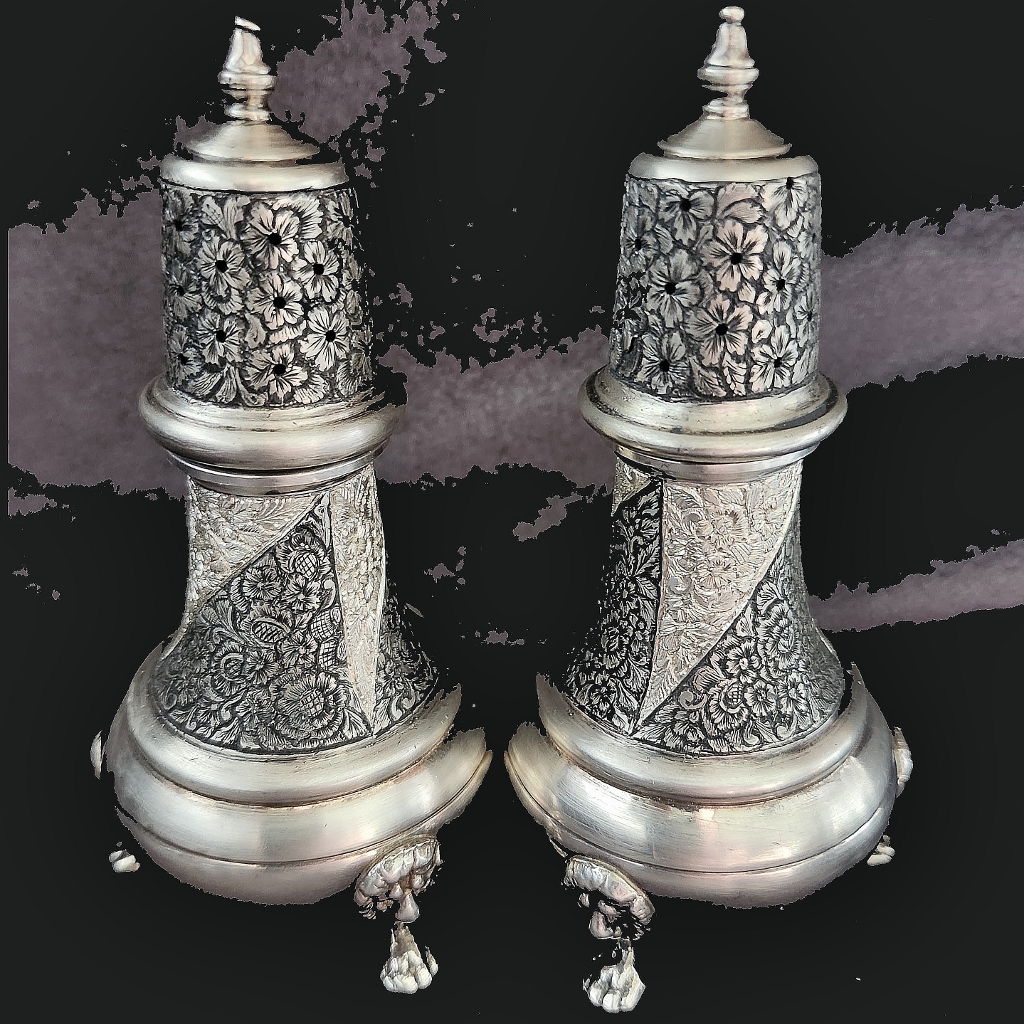
Fig 46) In'am Royed and Hamid Royed. 2023-2026, Toronto Canada.
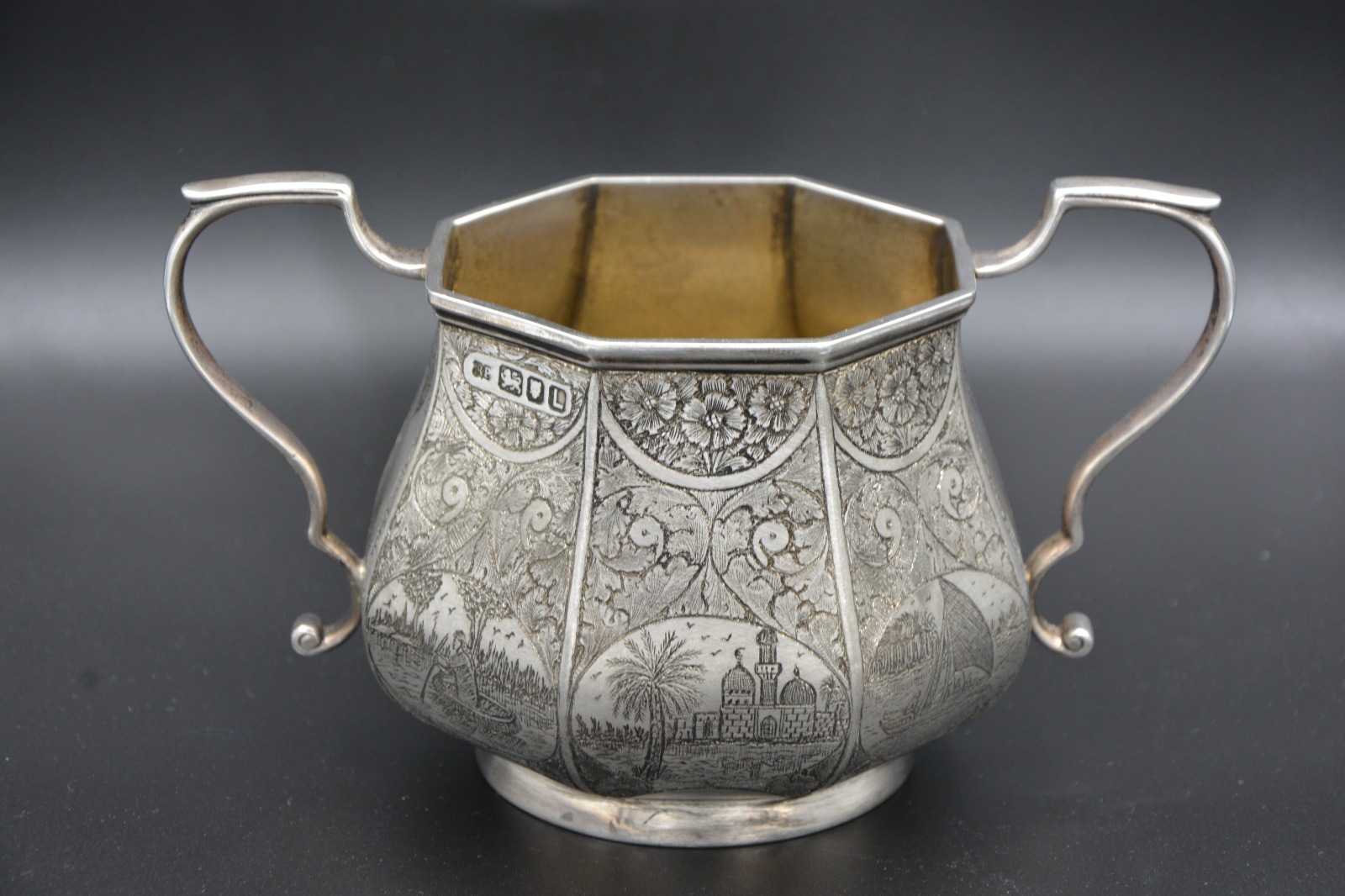
Fig 47) Hamid Royed. 2015-2023. Amman, Canada,
The Enamel Application Process
Preparation of the Enamel
It is prepared by hand by a specialist, who melts its components together according to a carefully considered artisan method.
The enamel consists of four pure elements blended in a secret formula: Silver: 8 parts / Red copper: 7 parts / Lead: 14 parts / Sulfur: 8 + 6 + 14 = 28 parts
These proportions are not fixed; rather, they vary slightly from one goldsmith to another who prepares it. Changes in the proportions and in the method of preparation may affect its efficiency and quality either negatively or positively.
For this reason, the colors of niello range from lead-gray and faded black to brownish black. The very finest of all is the deep bluish black known in the language of the craftsmen as lawn al-kuḥl—literally, the kohl-black hue.
Because of the lead it contains, it is heavy and quick to melt (500–600°C), and because of the sulfur it is also brittle.
Inlaying the Enamel
This stage is extremely difficult and complex, because the enamel, owing to its lead content, melts, runs, and drips exactly like wax, which makes the process of inlaying it more complicated, especially in large pieces with convex surfaces.
The process becomes more difficult still because it is highly sensitive to dust, grease, and oxidation. For this reason, craftsmen describe it as naḥsa—a workshop expression meaning that it is temperamental, troublesome, and difficult to handle.
Moreover, excessive melting of the enamel leads to the distortion of the engraving because of a strange phenomenon: the enamel begins to harsh the engraved silver—that is, to roughen or eat into its engraved surface. In the language of the craftsmen, this condition is described by saying that “the enamel has eaten the silver.” When this happens, the engraving appears disfigured by black spots.
Scraping or Revealing the Enamel
In the language of the craftsmen, this stage is called tanẓīf al-mīnāʾ, literally, “cleaning the enamel”, that is, revealing it.
It is a strenuous, exhausting, and delicate process, requiring great patience and a long time in order to remove the outer layer of enamel that has melted over the engraved surface, especially if the engraving is shallow, as in the case of a portrait. In such a case, the utmost caution must be observed while revealing the enamel, so as not to erase the engraved lines—namely the shadows—and thereby deform the work.
To polish the surface of the metal inlaid with enamel after the removal of its outer layer, craftsmen use what is called the miṣqal—that is, a highly polished rounded metal burnisher used to polish the enamel-inlaid surface. This method is used exclusively for fine, precious, and rare engravings, such as portraits, because it is extremely tiring.
To ensure that the polished enamel becomes smooth and soft, a piece of deerskin is also used; or else the palm of the hand is used to rub the piece for long hours, in order to ensure that the engraved surface becomes sleek and free of scratches. In the language of the craftsmen, this process is known as mawt al-khudūsh—literally, “the death of scratches,” that is, the complete elimination of surface scratching.
In the final stage of revealing the enamel, fine sandpaper dipped in white kerosene is always used. This helps reduce scratches on the metal surface filled with enamel, and also helps give the enamel a deep black color with a bluish cast.
With the passage of time, and through positive, non-damaging use, the enamel acquires a soft metallic texture, a clear luster, and an intense blackness. Because the revealing of enamel is such a complex, tiring, and strenuous process, a person may sometimes devote himself specifically to it; in the language of the craftsmen, this specialist is called the al-Munaẓẓifjī, that is, the worker responsible for cleaning or revealing the enamel.
The Enamel consists of four pure elements blended in a secret formula:
Silver: 8 parts / Red copper: 7 parts / Lead: 14 parts / Sulfur: 8 + 6 + 14 = 28 parts
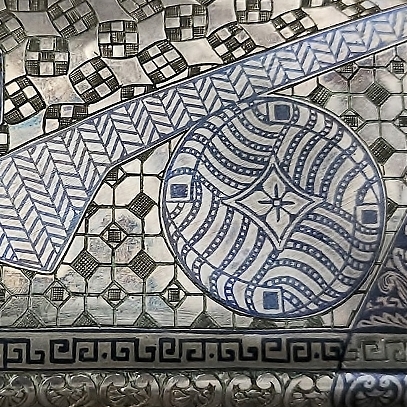
Fig 48). Silver niello work details.
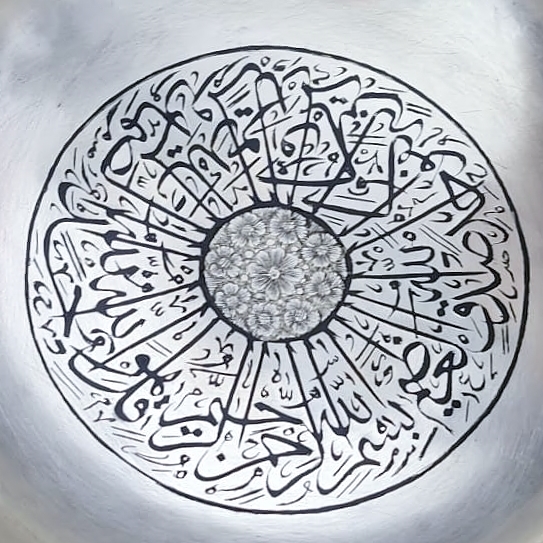
Fig 49) Silver niello work details.
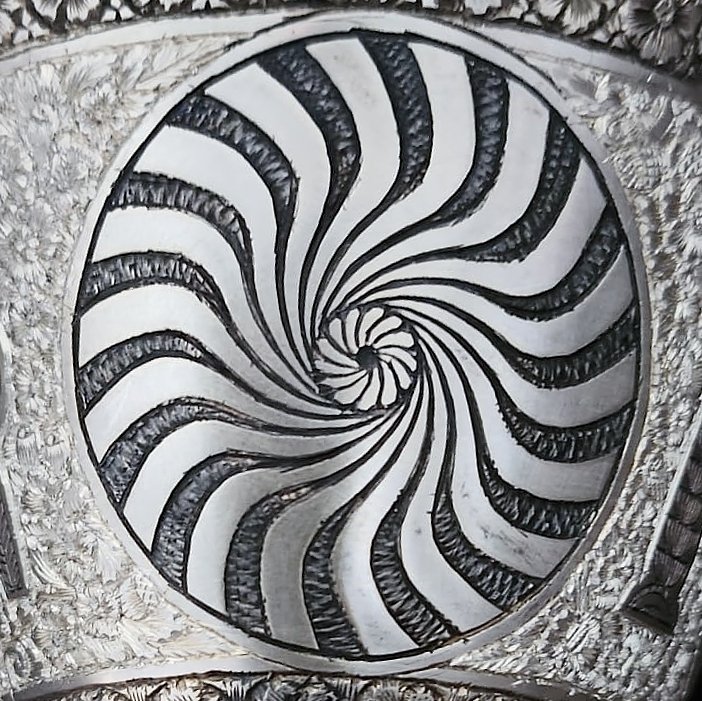
Fig 50) Silver niello work details.
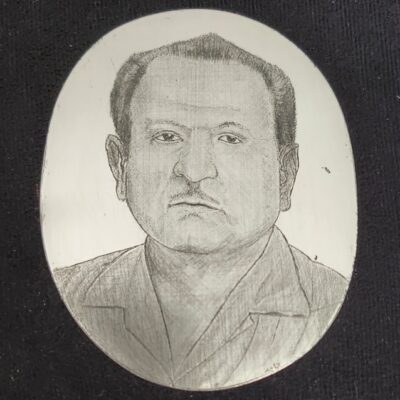
Fig 51) Abd Ai-Razzaq Royed. (1927-2000)
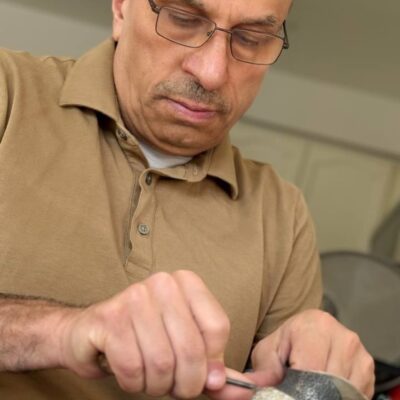
Fig 52) Hamid Royed at his studio in Toronto, Canada
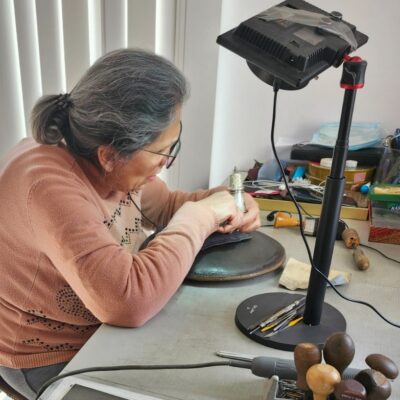
Fig 52) In'am Royed at her studio in Toronto, Canada
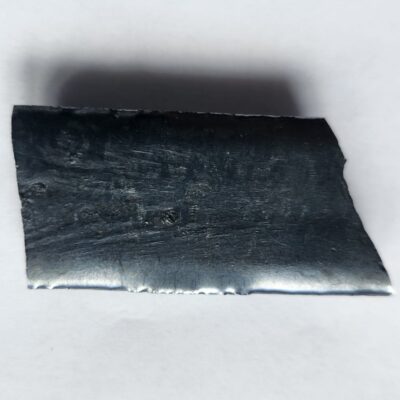
Fig 54) Black enamel niello, in its raw form.
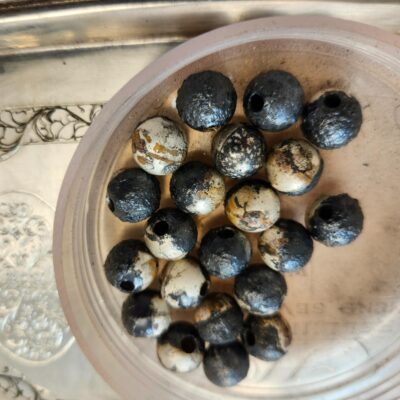
Fig 55) Sibha beads, after inlaying the enamel and before scraping and reveling the enamel.
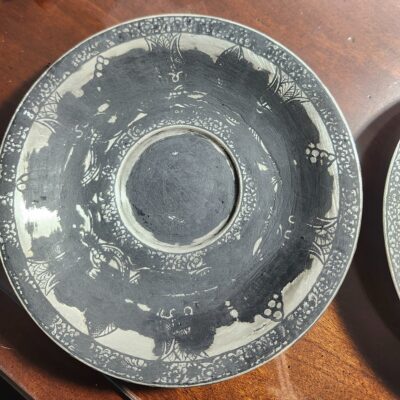
Fig 56) Plate, after inlaying the enamel and before scraping and reveling the enamel.
Defects of Niello Enamel
Despite the status, value, and importance possessed by niello enamel, it has certain drawbacks, among them:
- It has only one color, namely black.
- If a break or damage occurs in the silver piece inlaid with it, it cannot be repaired by heat at all, because heat will burn the enamel.
- Working with it is difficult, complex, and exhausting, for it is extremely sensitive during preparation, inlaying, and revealing, in comparison with black hot vitreous enamel.
- Manufacturing defects in the enamel cannot be corrected after it has been inlaid, if it turns out not to be of the required quality.
- It is highly sensitive to excessive heat, which causes it to roughen and damage the engraved metal surface.
- It is toxic and dangerous, especially during the preparation stage, that is, while melting the components.
Hamid Royed early work of the 1990s, Baghdad, Iraq
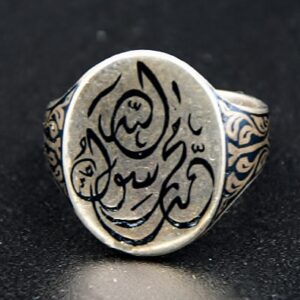
Fig 57) Hamid Royed, 1990s, Baghdad, Iraq.
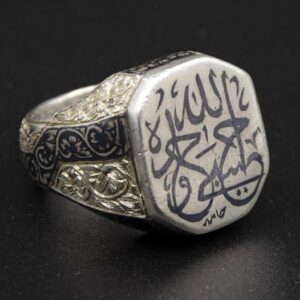
Fig 58) Hamid Royed, 1990s, Baghdad, Iraq.
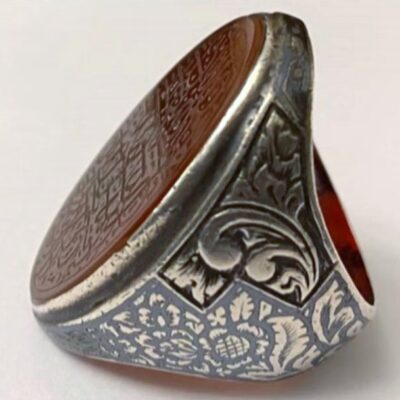
Fig 59) Hamid Royed, 1990s, Baghdad, Iraq.
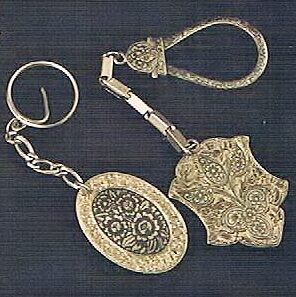
Fig 60) Hamid Royed, 1990s, Baghdad, Iraq.
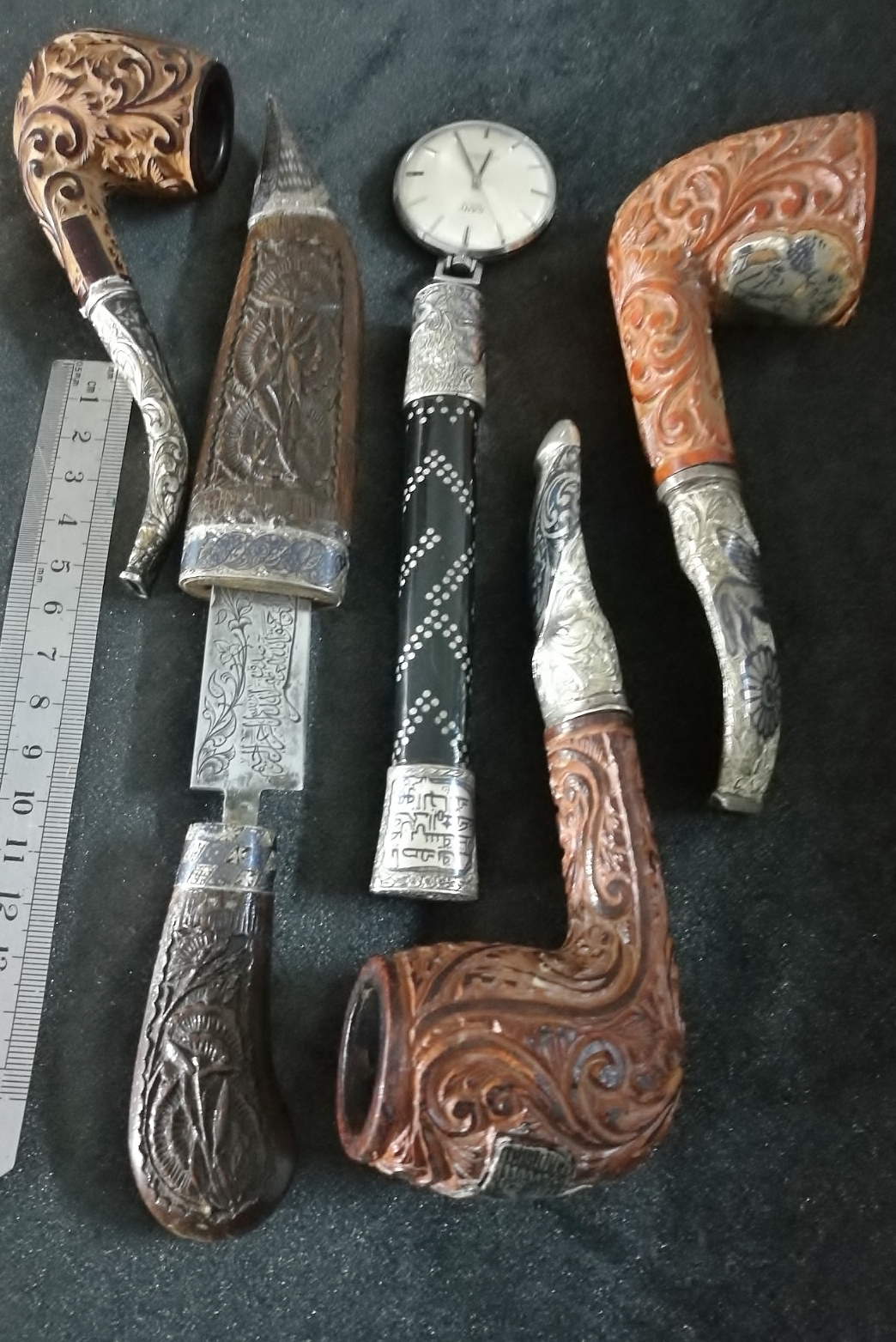
Fig 60) Hamid Royed, 1990s, Baghdad, Iraq.
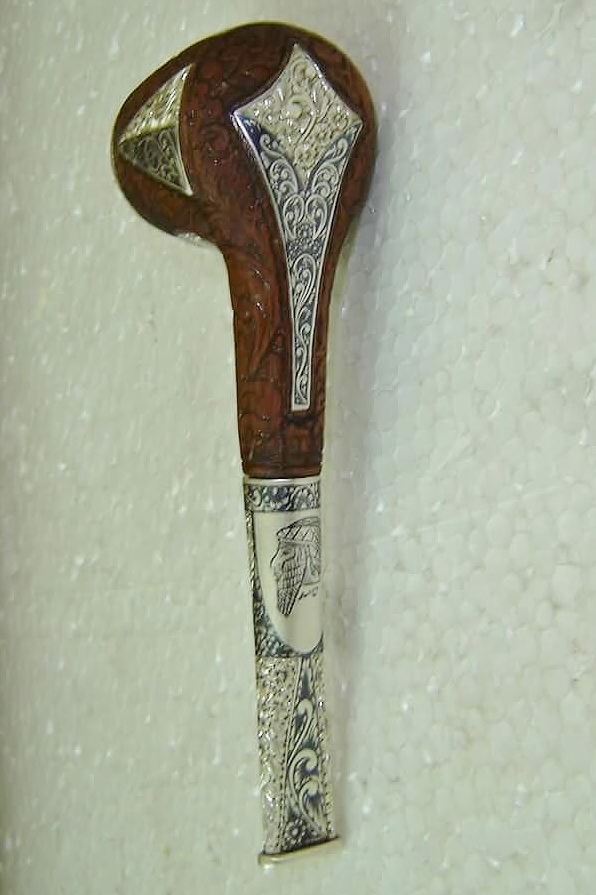
Fig 61) Hamid Royed, 1990s, Baghdad, Iraq.
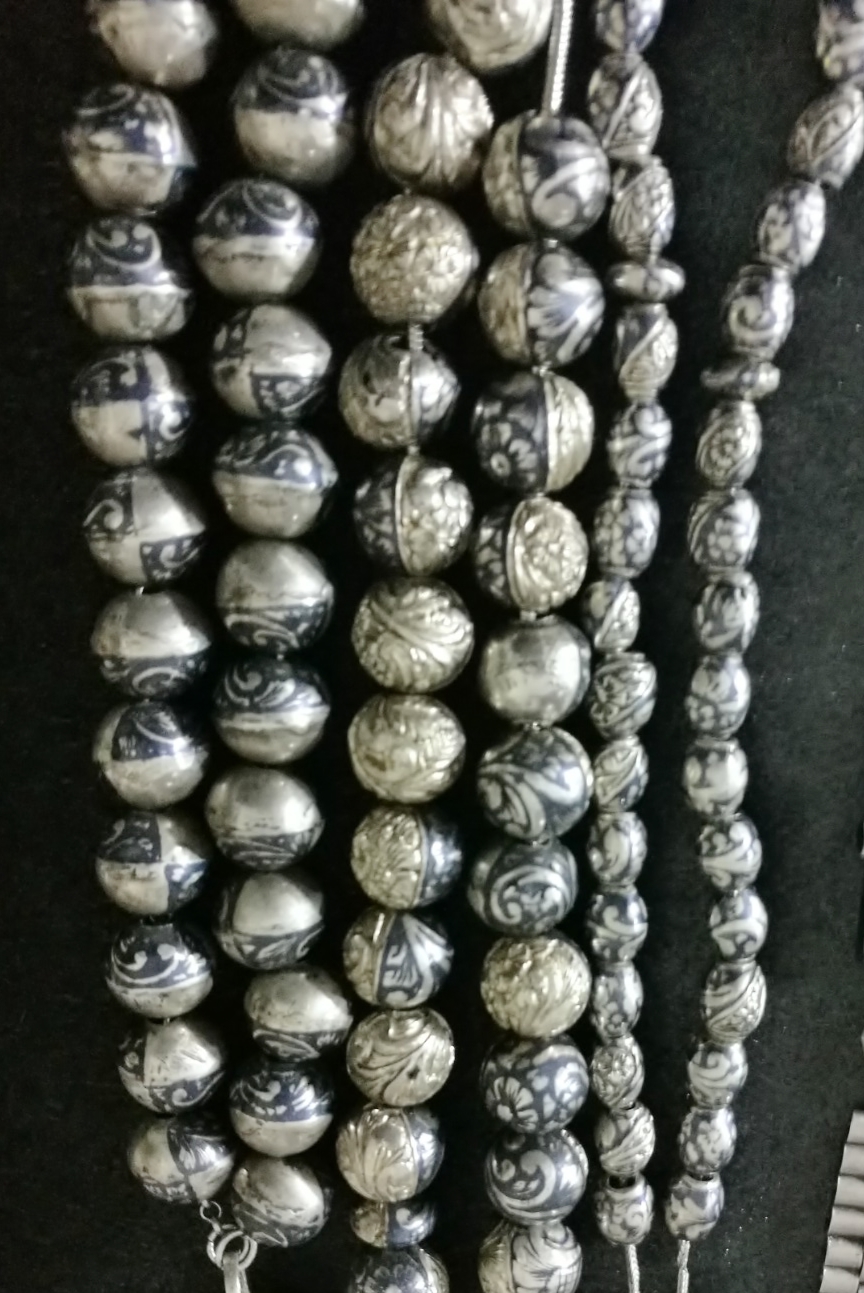
Fig 62) Hamid Royed, 1990s, Baghdad, Iraq.
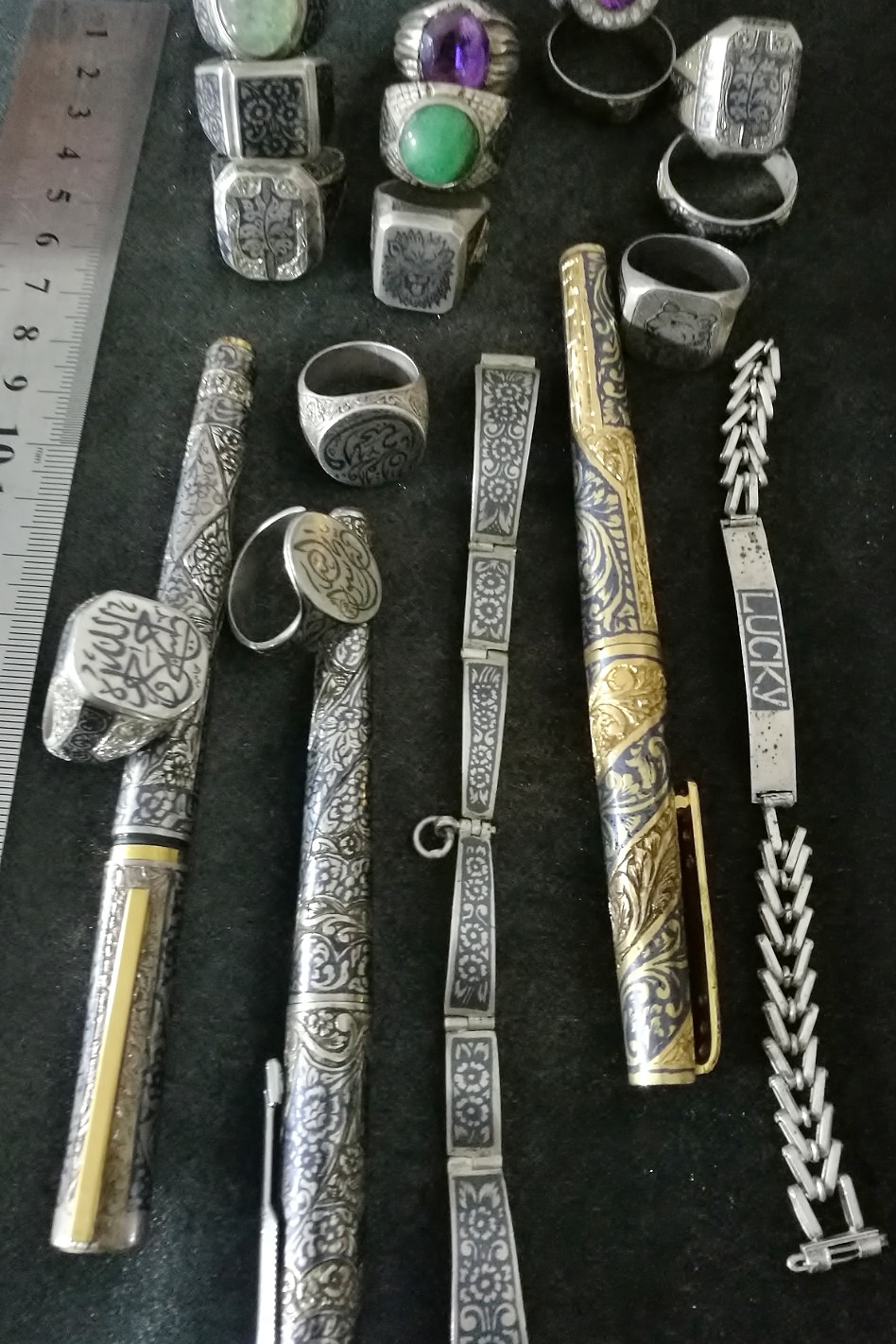
Fig 63) Hamid Royed, 1990s, Baghdad, Iraq.
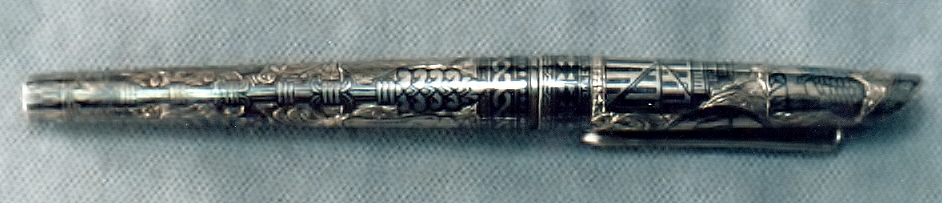
Fig 64) Hamid Royed, 1990s, Baghdad, Iraq.
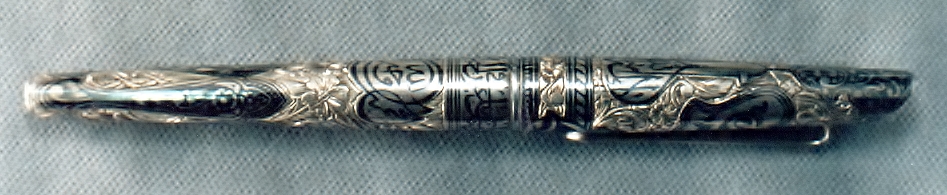
Fig 65) Hamid Royed, 1990s, Baghdad, Iraq.
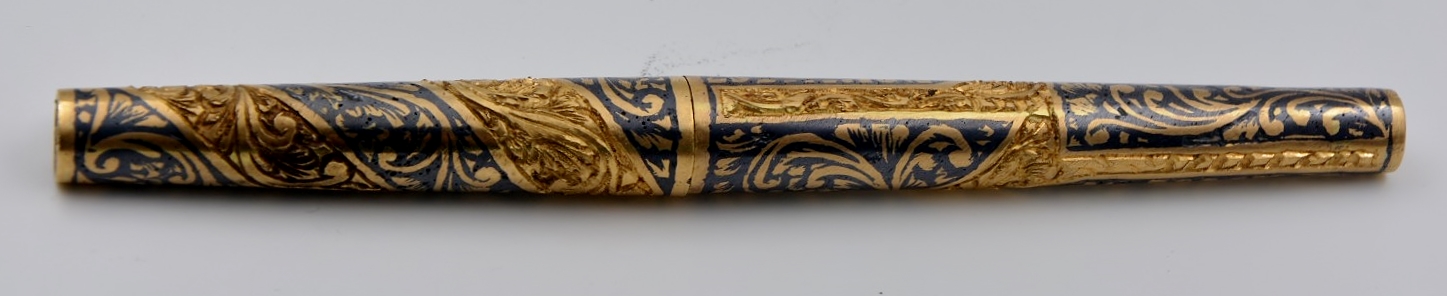
Fig 66) Hamid Royed, 1990s, Baghdad, Iraq.
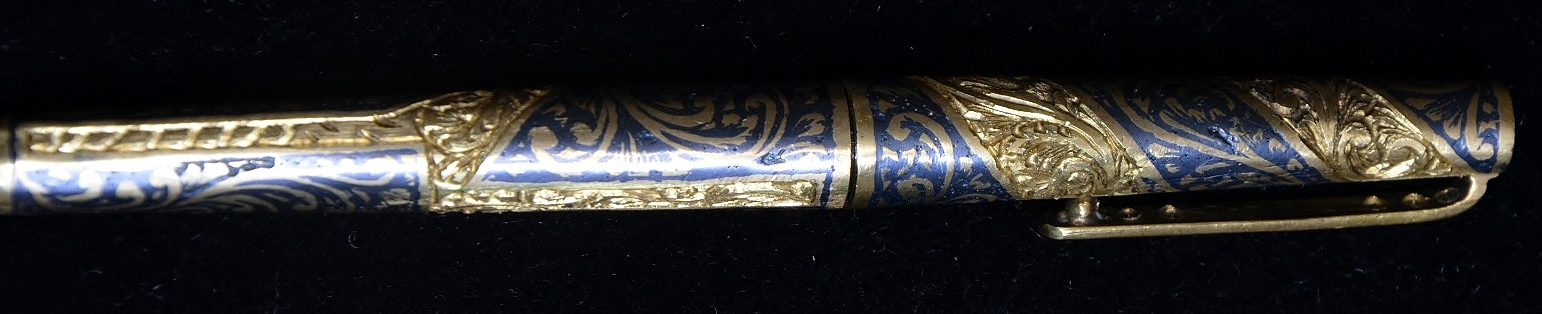
Fig 67) Hamid Royed, 1990s, Baghdad, Iraq.
All copyrights reserved.
Photography
Images by Saif Royed.son of Hamid Royed.
Opening Image
In”am Royed and Hamid Royed 2023-2026. Toronto, Canada.
About Hamid Royed,
