Park Al-Sa’adoon – The Neighbourhood
By Nadia Tobia, Architect
March 2021
Republished June 2026
Park Al-Sa’adoon – The Neighbourhood is part one of ” Golden School Days ” article. The complete article originally published in 2021 on the FEEFAA org website.
The School
We used to walk both ways to Ms. Saywell, the British Council Kindergarten in Al-Sa’adoon Park neighbourhood. On the trip home, we sometimes took a horse carriage from the nearby Maji supermarket on Nidhal Street after picking up a few items. It was a bumpy but fun ride back home.
Ms. Saywell was the principal, but the school was always referred to as Misaywell pronounced as one word. The school was established in January 1947 with 23 Iraqi and 17 British students (1). Ms. Saywell retired in the mid 1960s and Ms. Jean Sounders became the principal until the school closed in 1968 (TBC). After its closure, the entire staff moved to the newly opened kindergarten at Al-Tasissiya School in Al-Mansour area of Bagdad.
Our teacher was Ms. Nayfeh Ghantous, who now lives in the US and was kind enough to provide some relevant information to me. Teachers in the 1960s also included Ms. Salma Jazrawi, Ms. Ann Alvarez, Ms. Afaf and Ms. Omar.
Ms Olive Saywell received recognition from the British King in 1951 and the Queen in 1962 for being the headmistress of the British Council Kindergarten in Baghdad as documented in the London Gazette for those years (2)(3).
The school moved in 1959 from the south side of Al-Sa’adoon Park to the north side of the park, and remained in the new location until it closed. I attended from 1958 to 1960. I spent one year in the old location and one year in the new location north of Al-Sa’adoon Park. The school building was a rented house used as a kindergarten and it overlooked a roundabout. It had a curved side to it, was clad in brick, and had a balcony over the ground floor with white painted metal rails. There was a nice, fairly good size garden and the students did many activities outdoors.
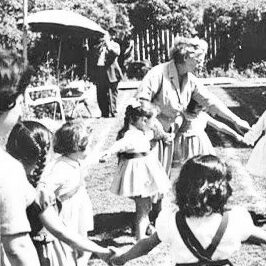
Ms. Olive Saywell at the British Council Kindergarten, 1960s, Image Courtesy Ghada Frangoul.
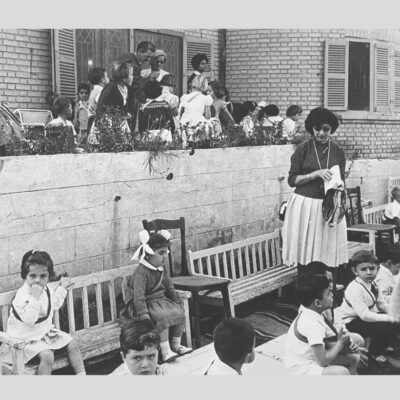
Ms. Salma Jazrawi at the British Council Kindergarten, 1960s, Image Courtesy Wanda Franguol.
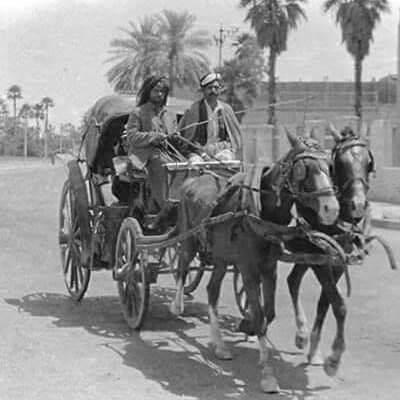
Horse carriage similar to the ones in Al-Sa'adoon Park
The Neighbourhood
Obviously, my friends and I do not recall much of the school activities and remember Ms. Saywell only vaguely. After asking several of them, one friend remembers singing “Ring-a-ring-a-rosies” and “Humpty Dumpty”,… but we remember the park, the neighborhood, the houses, the gardens and the streets, because they remained with us as we grew up.
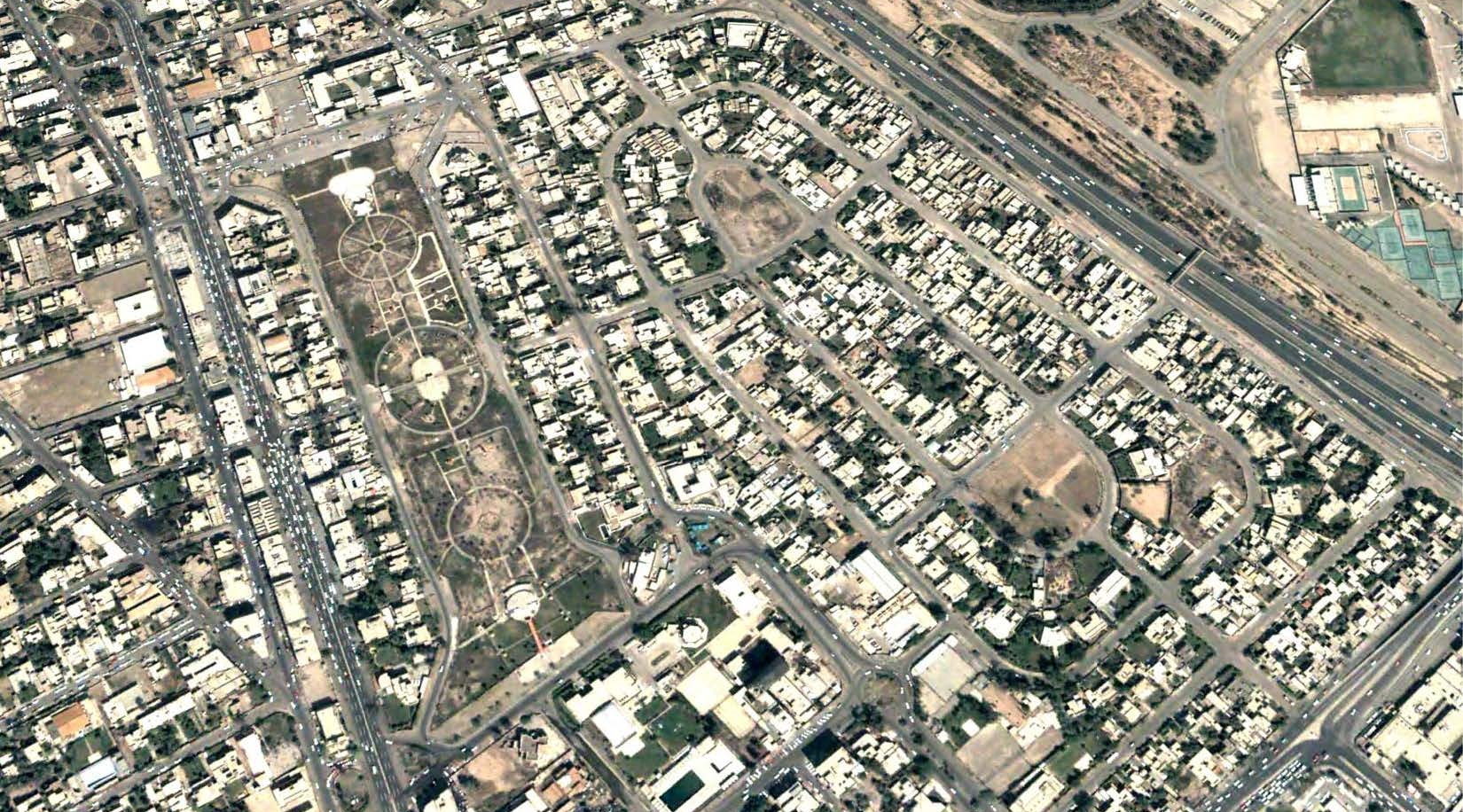
Al-Sa’adoon Park was established by the mayoralty of Baghdad in the early 1930s. At that time Arshad Al-Omari, an architect (1888 Mosul -1978 Baghdad) was the Mayor of Baghdad and later became the prime minster of Iraq. Al-Sa’adoon Park was named after Abdul Muhsin Al-Sa’adoon who had died a few years earlier (1879 -1929). He was a politician who served as Prime Minister of Iraq on four occasions between 1922 and 1929. The area was mostly vacant land and included a horse race track, which can be traced today in the curved streets pattern. Several families constructed their houses in the 1940s, and by the 1960s Al-Sa’adoon Park area was filled with new houses. The standard residential plot size in the area was 600 square meters sometimes double that size and a few triples. Al-Sa’adoon Park neighbourhood east boundary was the Eastern Dike (now Mohammad Al Qassim Highway) a 10 to 15 meters high earth dike, which was one of the defence lines against floods. In March 1954 the area was under serious flood warning and fear, but the the anticipated flood did not occur in this area, and Park Al-Sa’adoon neighbourhood was saved.
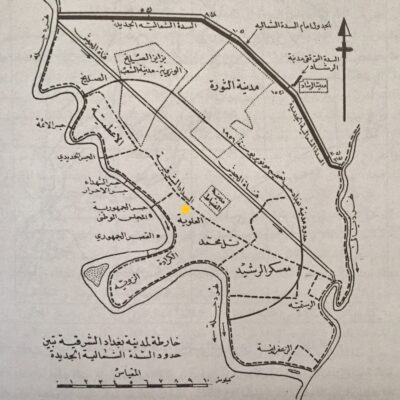
The marked star indicate Al-Sa'adoon Park neighbourhood and the adjacent Eastern Dike Boundary. Image, Baghdad Book, published by Iraqi Engineering Union.
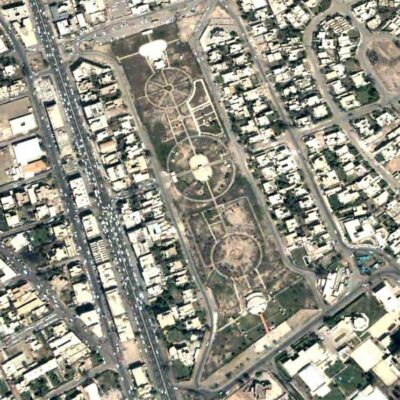
Google Earth image from March 2002 showing elements of the park's character and surviving green spaces, in contrast to the extensive tree cover and lush greenery evident in the 1950s and 1960s.
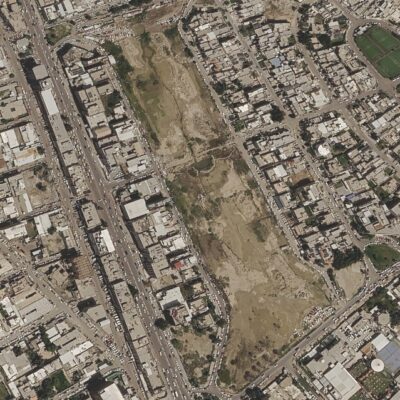
Google Earth image from june 2026 showing the total loss of tree cover and green space, highlighting the dramatic transformation of the park landscape.
Al-Sa’adoon Park was a large oval shape of about 60,000 square meters. A huge grassy area in the middle and lots of trees mainly Eucalyptus on the periphery. There was a roller-skating rink, children play area with swings, lots of benches and trolleys selling soda drinks. Rows of oleander (defla) bushes would line some of the side streets, and the bottle brush trees were popular. ‘Yas’ is Al-Aas, in classical Arabic, Latin (Myrtus communis), plant an ever green shrub was shaped and shaved, especially into dividers or boundaries in landscape design.
The park was irrigated through a network of shallow ditches “saqi” providing raw water. The “saqi” ran along the streets into the park and also into the private gardens. Later these were replaced with piped raw water irrigation system. Each house had two water supply systems, drinking water and raw water for the plants.
The houses had fences that were not too high, allowing the climbing plants and trees to hang over from their gardens into the street. The private gardens usually had a central lawn, surrounded by beds of flowers mainly roses and annual plants such as, zinnias, snapdragons (halq al sabba’a), holly hocks (khatmia), and stocks, matthiola incanas (Shaboy). Typically, behind the flower beds you would find a ditch for irrigation then a row of citrus and fruit trees, all along the house fence, and one or two palm trees. Of course, the bougainvillea (jahanamiya) was everywhere with its strong and vibrant colours.
Fruit trees in the gardens included, orange, lemon, lime, sweet lemon, grapefruit, mandarin (lalingi), pomelo (cindy), fig, sour pomegranate, apricot, a foreign fruit tree called loquat “angia dunia”, mulberry “tut”, and Seville orange (narange) its juice used for salad dressing or a chicken dish called “chicken mai narange” and its skin made into marmalade. Another important fruit tree was a kind of citron (turunj) with the rind used for making marmalade. Its colour was golden if cooked perfectly. Almost every house had grape vines, the leaves of which were essential for making Dolma (vine levees stuffed with rice and meat). People loved planting fruit trees; mostly citrus though one house may have every type.
One very prestigious fruit tree was the Nebiq tree, (ziziphus spina christi). Its delicious fruit was sought after by the birds and children, who competed to get to it first. Children would climb the tree or throw stones to bring the Nebiq down.
At certain times of the year, one would smell the orange blossoms or the jasmine flowers when walking down the streets. Flowers with strong scent such as gardenia and in particular “rasqi” (kind of jasmine) a small white flower, was a favorite of Baghdad people, who may carry one and keep sniffing it as they walk the streets.
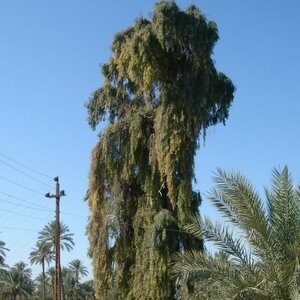
Eucalyptus Tree similar to the ones in Park Al-Sa'adoon Area
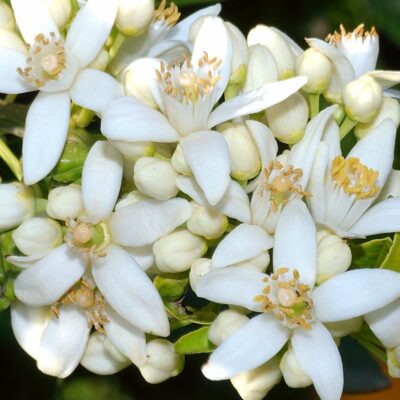
Orange tree blossoms.
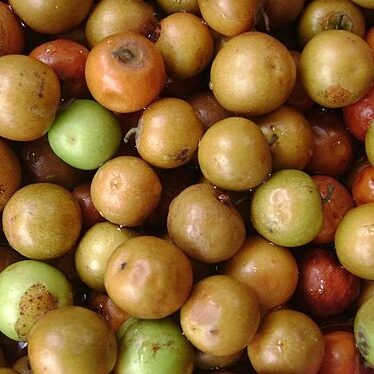
Nebiq Tree Fruit.
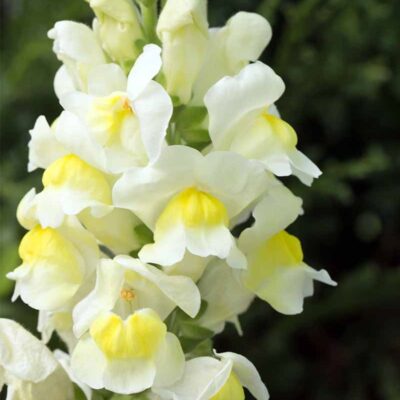
Snapdragon Flower ``Halq al Sabe'a``
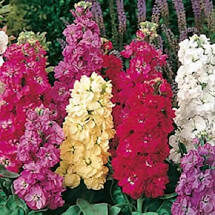
Stock, Matthiola Incana Flower ``Shaboy``
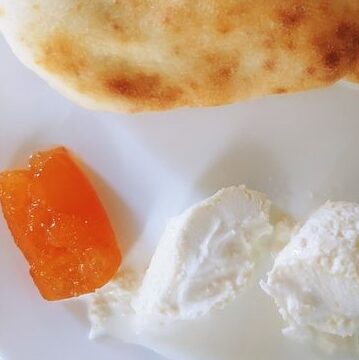
Narange Marmalade, Photo by Rabia'a Allos
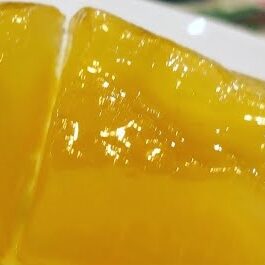
Turunge Marmalade, Image Engineer Kholod Kitchen.
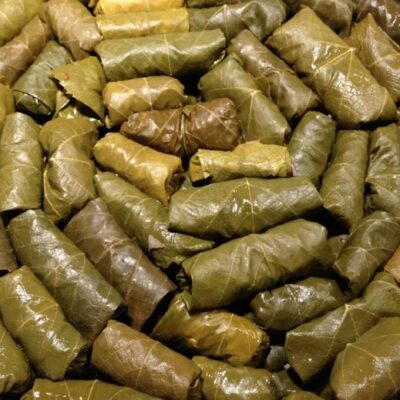
Grape Vine Dolma.
In the residential streets the neighbourhood children played marbles “Du’bul” and the Iraqi version of Hopscotch “Tuki”,played with a small stone and selecting the right stone was important. Young people mostly boys gathered in the evenings under the park’s light poles to chat, read or study.
Street deliveries and other activities took place: fresh bread was delivered by bicycle early every morning and was left on the fence pillar; the shoeshine man who, as far as I can remember, was always the same person, and came every Friday morning to install himself in front of the house with his tools before ringing the bell. Gasoline was delivered by a tank pulled by a horse; Coca Cola came by truck so did the products of the dairy factory in Abu Ghraib, (they were the only ones using a vehicle); a salt cart, fruit cart and the man buying and selling used items, today called garage sale; and the postman on his bicycle was our only connection to the world. In the spring and autumn strong men appeared to provide a carpet cleaning service. They cleaned them by shaking them and then hanging them on the roof parapet for the day, and sometimes washing them. The sewer cleaner wandered on foot, announcing his service by loudly shouting “Nazah Nazah”. Most did the same, but some used a primitive ringing device.
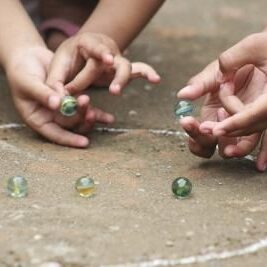
Marbles Street Game, ``Du'bul ``
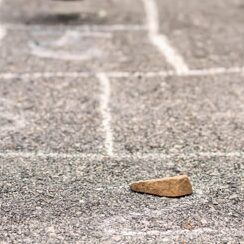
Tuki Street Game, played with a piece of stone.
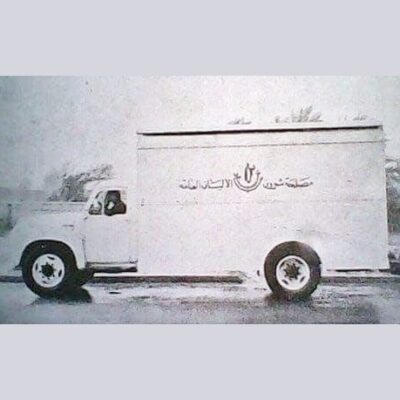
Dairy Delivery Truck 1957.
In addition to the residential streets, the area contained public and institutional buildings, a number of embassies and residencies, such as; the Syrian and Dutch Embassies, and the Dutch ambassador residence (by architect Gabriel Khamo), the Spanish and Malaysian residencies. Other institutional buildings included the Green Palace, the near by White Palace (both were used as government VIP guest houses), the Iraqi Red Crescent Society (completed in 1947 by architect Ellen Jawdet). Adel School known as Madam Adel established in 1932 and led by its principal Layla Adel.
The two private maternity hospitals; Al-Samarraie Maternity Hospital (both the old location and new location) established in 1950 by Dr. Kamal Al-Samrraie; and the 20 bed Al-Haidary Maternity Hospital, built in 1956 by Dr. Salim Al-Haidery.
Several churches were in the area; National Evangelical Protestant Church; Catholic Chaldean Church built in 1966 (Um Al-Ma’ouna); and the Seventh – day Adventist Church (200 seat church built in 1961). The Adventist also built and operated the 85 bed Dar El-Salam Hospital which was on the corner of the round-about just east of the Iraqi Engineering Society. Construction was completed in 1954, with 40 medical professionals from the United States and Europe. Dar El-Salam Hospital was nationalized in 1959 and the American medical foreign staff were deported. The hospital was originally established in 1946 in a hotel building on Rashid Street, that was owned by the Adventist brothers Bashir and Nassif Hasso. They offered the hotel to be used as a hospital, until the mission could build a new permanent facility.(4)
The well known architectural engineering office Iraq Consult (Rifat Al- Chadirji, and partners), moved to Al Sadoon Park location in 1960/1961. The Iraqi Engineering Society completed in 1950. A committee was established to design the building it included architect Ahmed Mukhtar Ibrahim (known as the first Iraqi architect), architect Hazim Namiq and the structural engineer Niazi Fetto (5). The building design was one of the modern examples of architecture in Baghdad at the time. The building had three large and tall wooden doors for the entrance, leading to a long corridor that reached to a nice backyard garden. The garden was used for outdoor movies and monthly parties with live music and singing. The sound from the movies and music was heard all over the neighbourhood, especially during the summer nights when people used to sleep on the flat roofs of their houses. Next was the Auberge Night Club, which had an environment suitable for families outings, and had good quality performances. The location later became the Armenian Athletic Club. Near by was the Ministry of Oil Cultural Club.
At one time the famous singer Afifa Iskender (1921 Mosul – 2012 Baghdad) lived in this area. She was one of the early settlers, and it is said that when she would recognize her neighbours who had attended one of her performances, she would walk to their table and sing to them.
Public figures who lived in the area included Major General Ghazi Dghstani, Nassrat Al-Farisi Minister of Economics (1936), Minister of Justice and Minister of Foreign Affairs (1948) and member of parliament, Dr. Matta Akrawi first president of Baghdad University (1957-1958) and Dean of Higher Teachers College (Dar Al Mua’lameen Al U’lia) (1941-1945), Dr. Hashim Al-Witry Dean of Medical College (1937-1939, 1941-1942 and 1946-1953). It is remembered that Mr. Al-Farisi, Dr. Akrawi and Dr. Al-Witry lived along the same street at the north part of the park. In the area lived, Dr. Rose Khadori Dean of Women College at Baghdad University (1958 -1963), Ms. Suad Al-Omari who was Head of the Iraqi Red Crescent Society and Director at Orozdi Back. Immediately to the west of Nidhal Street opposite Al-Sadoon Park was the residence of Mohamed Hadid Minster of Finance (1958 -1960) and father of the renowned architect Zaha Hadid. The Hadid’s house was designed in the early 1930s by the Syrian architect Badri Qadah.
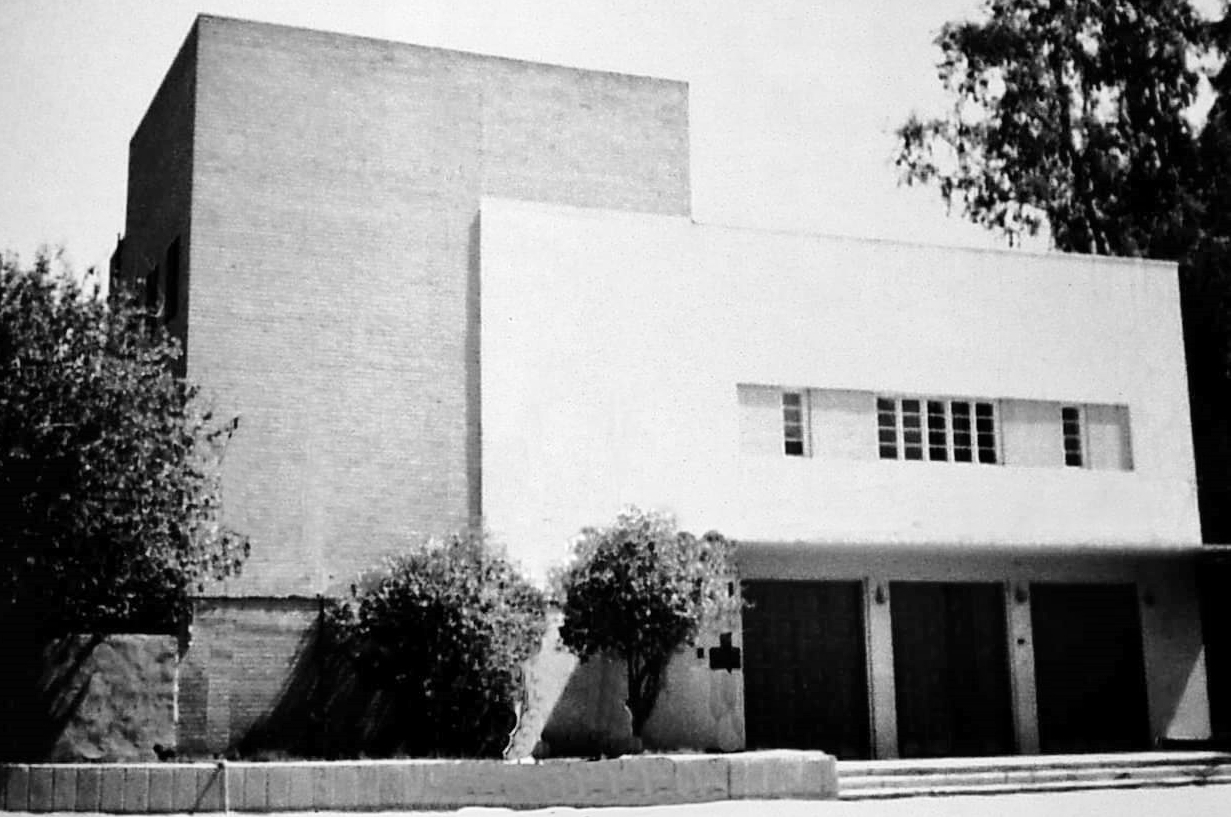
Iraqi Engineering Society, completed 1950.
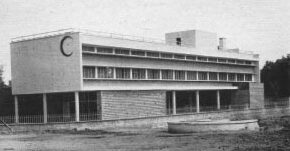
Iraqi Red Crescent Society completed 1947, by architect Ellen Jawdet.
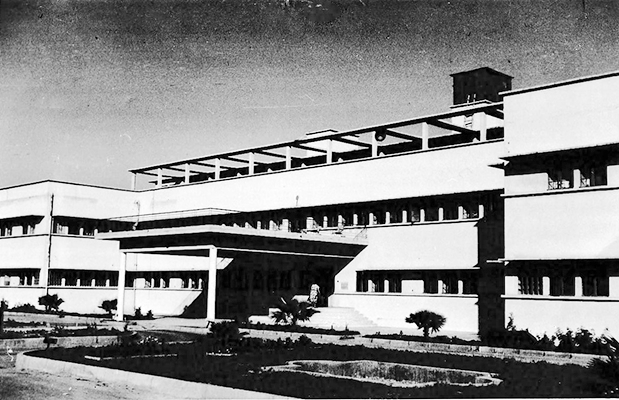
Dar El Salam Hospital, completed 1954, By the Seventh-Day Adventist Church.
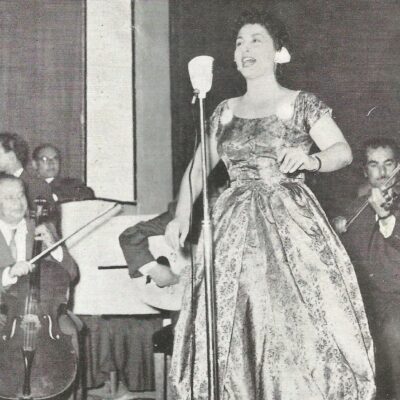
Afifa Iskander, the well known Iraqi singer.
There were many houses that stood out. One in particular – a house that imitated Villa Um Kalthoum in Cairo, designed in the 1930s by the Egyptian architect Ali Labeeb Jabr. The Baghdadi version belonged to the businessman Mahdi Saleh Ta’ayma and his family, and was built in the early 1950s. Another house that is different than the others in style, was owned by Mr. Salman Al Sheikh Daoud, member of the Iraqi parliament, whose wife was from Hungry. I always wondered about the house style, until recently when I saw a similar one in Budapest. Mystery solved !
My parents designed and built their house in 1953 in Al-Sa’adoon Park neighbourhood, opposite to grandmother’s house which was built in 1948 when they moved from Mosul to Baghdad. Grandmother’s house was designed by Niazi Fetto a structural engineer, who later designed a similar but more elaborate house for Dr. Fathalla and Nazhat Akrawi in Kardat Mariam – today’s green zone. This house was one of my favorites at that time with its avant-guard architecture, interiors and landscape.
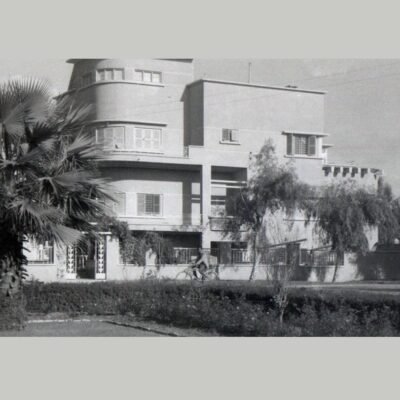
Ta'ayma Villa in Park Al-Sa'adoon neighbourhood, Baghdad.
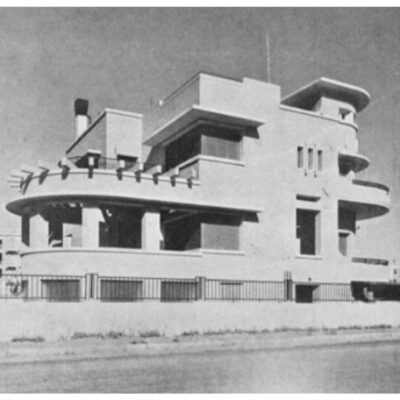
Villa Um Kalthoum in Al-Zamalek, Cairo. completed in 1930's By Architect Labeeb Jabr.
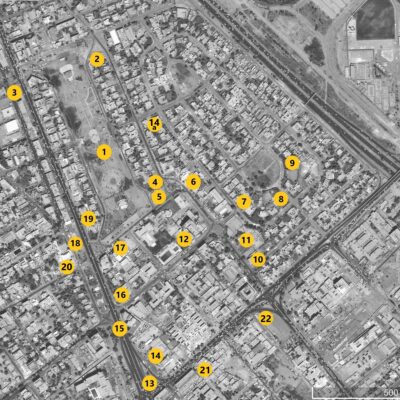
Park Al-Sa'adoon Neighbourhood.
Al-Sa’adoon Park Neighbourhood map index:
1) Al-Sa’adoon Park, 2) British Council Kindergarten, 3) Maji supermarket and Horse Carriage Station, 4) Spanish Ambassador Residence, 5) Green Palace, 6) Ta’ayma Family House (Umm Kalthoum Villa), 7) Afifa Iskander House, 8) Dutch Ambassador Residence, 9) Malaysian Ambassador Residence, 10) Iraqi Engineering Society, 11) Auberge Night Club, 12) Oil Cultural Club, 13) Al Andalus Square 14) Al-Samarrai Hospital, 14a) Al- Samarrai Hospital old location, 15) Al-Nidhal Street, 16) Red Crescent, 17) Syrian Embassy, 18) Seventh Day Advent Church, 19) Dutch Embassy, 20) Madam Adel school, 21) Al-Haidary Hospital, 22) Dar El Salam Hospital. Note locations are approximate.
Handsome street cats wandered around the area, and some people had dogs. Healthy frogs used to enjoy swimming in the raw water in the ditches (saqi), their “ribbit” very clear and loud, especially at night. Some houses had chickens for fresh morning eggs and we had a neighbouring rooster whose crow was the alarm clock; he stood proudly on the house fence and crowed every morning. I still remember his personality and style. Hamam groups (pigeons), raised by a couple of neighbours on their homes’ flat roofs, used to make their daily rounds in the sky. A large flock of sheep passed regularly in front of our house on their way to the river for a drink, chewing the leaves dangling over the houses fences as they walked. This did not sit well with our dogs who were always annoyed. Local birds such as the little asfour and bulbul lined up along the electric wires, waiting for their morning breakfast of properly-sized bread crumbs prepared by my mother to be scattered on the lawn.
We always had pets in our house. We had two dogs Satuta and Anter, (named after the Egyptian movie titled Ana Satuta 1947, and the other after Anter Ibn Shadad, the poet 525 AD – 608 AD).
Followed by Banana, a beautiful cocker spaniel who later had three puppies. Banana came from my brother’s class friend Omar Araim and the puppies were also given to school friends. Our dog Mishmish (meaning apricot which was his colour) was our last dog. He came from my brother’s class friend Yousif Al-Bustani. Mishmish was a well-known and prominent figure in the neighborhood, and children would stop by and have a friendly chat with him.
We had a pair of chukar partridges locally named Qabij, the national bird of Kurdistan, Iraq. These birds are known for their sound rhythm, as if they are reading. We named the birds Cabochard (after the perfume), and they used to “read” a long poem every morning! Inviting her self to the group was Bobolina the street cat, named after Bobolina in “Zorba the Greek”. Our cousin raised rabbits and when he visited us, instead of bringing house gifts such as flowers or food, we used to get a pair of rabbits as pets. Most of the time we had a pair of love birds, and a small fish tank, but that was not successful.
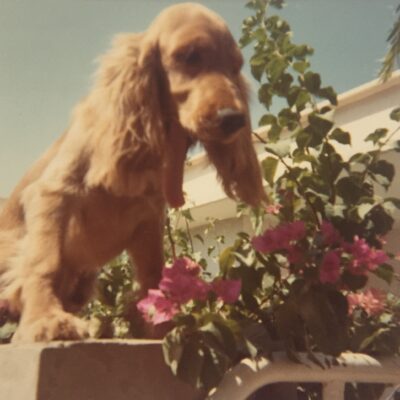
Mishmish
“Golden School Days” and memories of Park Al-Sa’adoon was made possible for my brother Zaidoon and me, by our parents. Our mother Afifa Akrawi was a geography high school teacher who studied at Dar Al Mu’almeen in Baghdad. Our father Behnam Tobia studied mechanical engineering in Berlin and then at ETH Zurich, Switzerland (Swiss Federal Institute of Technology in Zurich; Eidgenössische Technische Hochschule Zürich) . Our father started working in the private industry sector and, when the Germans opened the Industrial Mechanical Vocational School in Baghdad, he taught at the school until his retirement in 1977.
In the picture are my parents on a sunny day in January, on the veranda of my grandmother’s house in Al-Sa’adoon Park. Also seen with them in the picture is Jamila the cat.
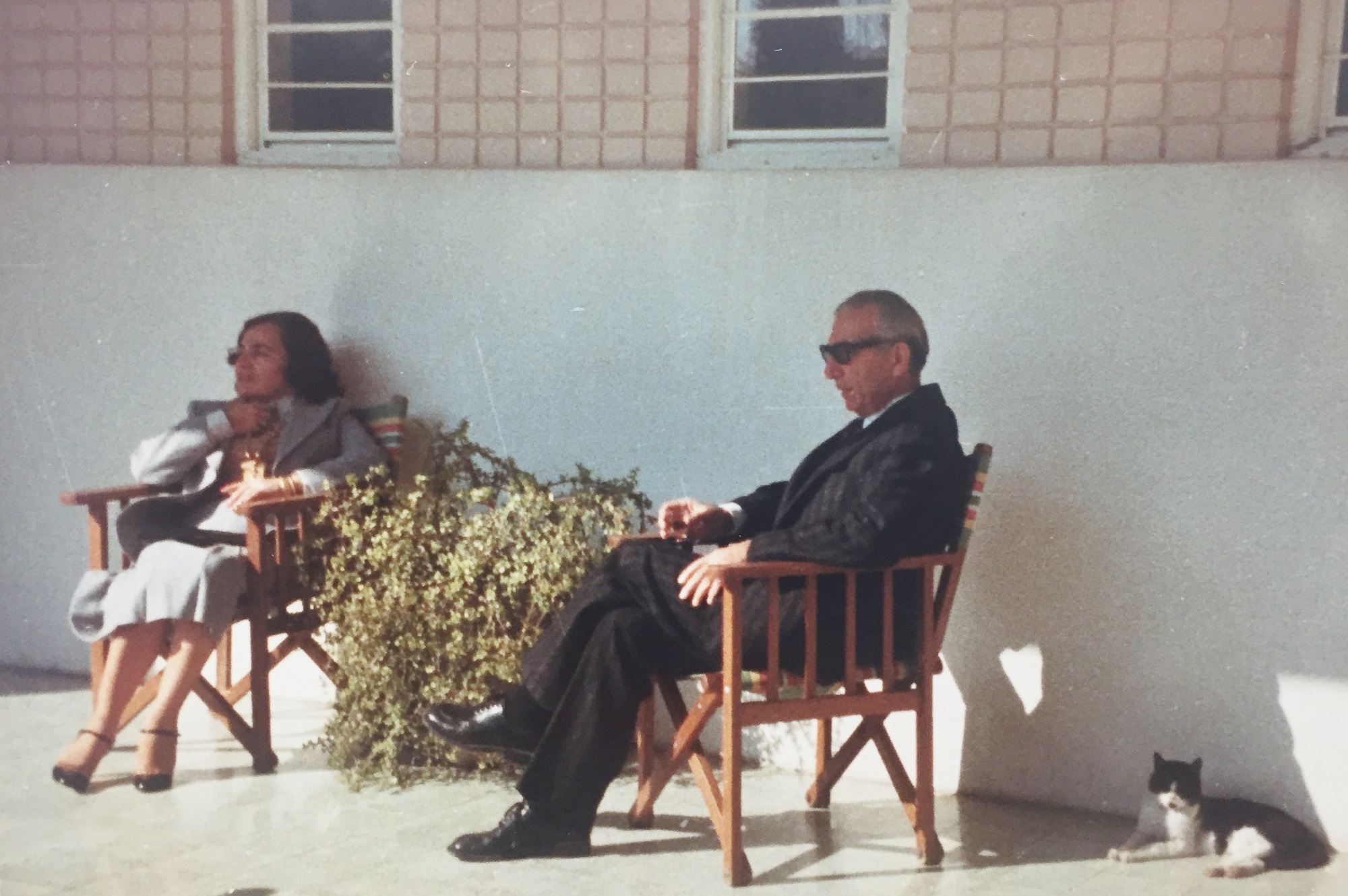
Sources:
Cover image Google Earth maps dated March 2002
- The Kindergarten in Baghdad, The Children Magazine, July 21, 1945.
- Supplement to the – London Gazette, James’s Palace, London S.W.I., 7 June 1951.
- Supplement to the – London Gazette, James’s Palace, London S.W.I., 2 nd of June 1962.
- Melanie Riches Wixwat and Basim Fargo, “Dar Elsalam Hospital, Many Big Things Stary Small” Encyclopedia of Seventh-Day Adventists, 2020.
- Hayder Farouq Salman, “Pages from the History of the Iraqi Societies and Clubs – Iraqi Engineering Society” , 2016
Interview, notes and memory:
- Ms. Nayfeh Ghantous, teacher at British Council Kindergarten.
- Salam Khadori, student at Al Taissisya School and resident of Al- Sa’adoon neighbourhood.
- Salwa Akrawi, PhD, Education and Psychology , resident of Al- Sa’adoon Park Neighbourhood.
Images that are not attributed have been sourced from the internet and are of unknown origin.
Cheryl Morris and Gillian Campbell, English language review and editing.
About Nadia Tobia:
Nadia Tobia, an Architect was born in Baghdad and became Canadian in the early 1990s. She Graduated from Baghdad University, Iraq and University Collage Dublin, Ireland. She is a principal and founder of Tobia Architects Inc. She has worked extensively as a lead designer on large scale complex projects in Iraq, Canada, Ireland, UAE, Qatar, Saudi Arabia, and China and with the UN HABITAT for Iraq in Jordan..
More articles by same author:
Golden Memoir
Golden School Days